
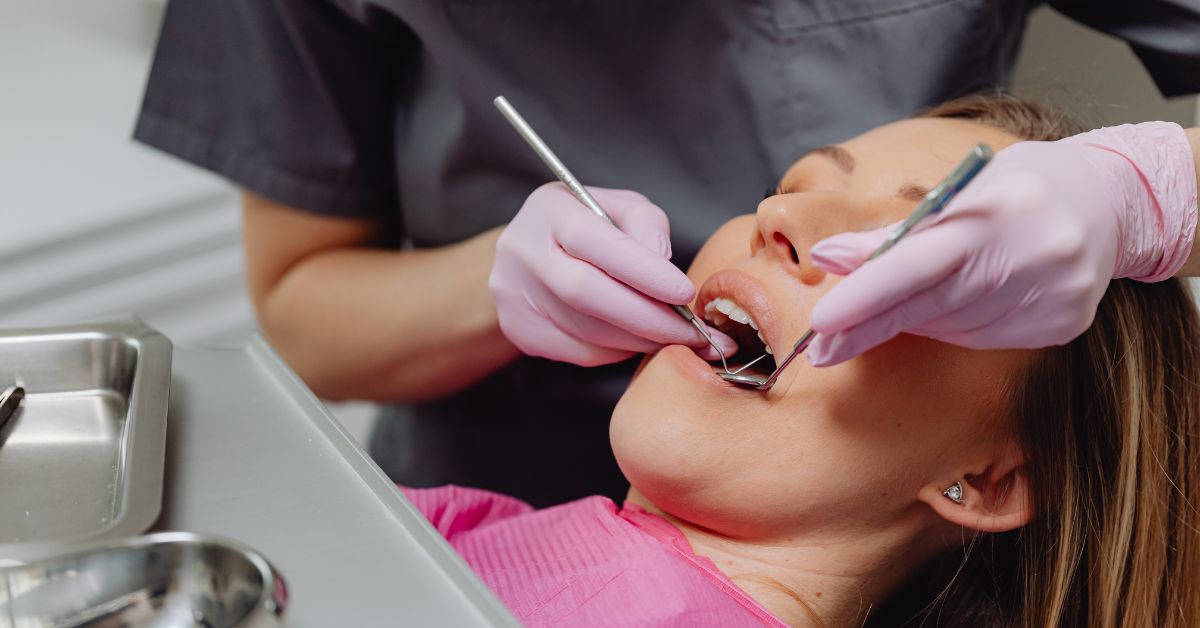
All-on-X Dental Implants in Lynwood
All-on-X dental implants are considered when extensive tooth loss affects daily function, comfort, and confidence. Patients researching All-on-X dental implants in Lynwood are often deciding if full-arch replacement can restore stability without the limitations of removable solutions. Dentists evaluate bone structure, bite dynamics, and long-term maintenance needs before recommending this approach. Treatment planning focuses on whether a fixed full-arch solution can perform predictably under everyday forces and be a long-term solution.
Choosing All-on-X dental implants in Lynwood also involves understanding how surgical placement, prosthetic design, and healing timelines interact over time. Dentists consider how implant distribution supports load management across the jaw and how restorations are maintained long term. Not every patient benefits from the same configuration or timing. Clear explanation helps patients understand if this approach aligns with their oral health goals and expectations. If you are exploring All-on-X dental implants in Lynwood, call PhD Dental at (323)269-5437 or visit our contact page to schedule a consultation focused on careful evaluation and realistic planning.
Top-Rated Dentists
in Los Angeles
Patient-First Dentistry for Every Stage of Life
From early childhood development to adult care, we focus on patient comfort and comprehensive treatment.
Removing Barriers to Dental Care
We believe everyone deserves access to high-quality dental care, regardless of financial situation.

Comprehensive Dentistry Under One Roof
Orthodontics, implants, oral surgery, and preventative care all conveniently located in our clinics.
Expertise, Access & Convenient Locations
Multiple clinic locations across Los Angeles with extended hours to fit your busy schedule.
Table of Contents
How All-on-X Dental Implants in Lynwood Are Planned for Full-Arch Stability

Planning All-on-X dental implants in Lynwood begins with evaluating how a full-arch restoration will handle daily functional forces across the entire jaw rather than focusing on individual implant placement alone. Dentists assess bone volume, bite dynamics, and jaw anatomy to determine whether implant positioning can distribute load evenly over time. Stability depends on how implants work together as a system supporting a single prosthetic arch. Treatment planning emphasizes predictability under chewing forces, speaking patterns, and long-term wear. Each decision is made to support consistent performance rather than short-term fixation.
Full-arch stability also depends on coordinating surgical placement with prosthetic design from the beginning of treatment. Dentists consider how angulation, spacing, and restoration contours interact once the prosthesis is attached. Planning anticipates future maintenance needs and potential adjustments rather than assuming a static outcome. All-on-X dental implants from PHD Dental in Lynwood are designed with long-term function in mind, not just immediate tooth replacement. This comprehensive approach supports durability and patient comfort over time.
Dentists begin by analyzing whether existing bone can support implant placement that distributes force evenly across the arch. Imaging is used to assess bone density, volume, and quality in both the front and back of the jaw. Areas of reduced support are identified early to avoid overloading specific implants. Load distribution planning reduces the risk of mechanical stress concentrating in one region. Balanced support is essential for full-arch stability.
How Imaging Guides Structural Planning Decisions
Three-dimensional imaging allows dentists to visualize bone contours and density variations throughout the jaw. These findings guide decisions about implant number and positioning. Imaging also helps identify anatomical limitations that influence angulation choices. Structural planning relies heavily on these assessments.
Why Uneven Load Distribution Creates Long-Term Risk
When forces concentrate on too few implants, mechanical fatigue can develop over time. Uneven stress may affect bone stability or prosthetic components. Balanced distribution protects the entire system. Stability depends on shared load management.
The number of implants used in an All-on-X configuration is selected based on functional demand and anatomical support rather than a fixed formula. Dentists determine spacing and placement angles to maximize contact with available bone while supporting the prosthesis evenly. Strategic placement allows implants to work collectively under load. Positioning decisions influence both stability and longevity. Careful planning prevents overreliance on any single implant.
How Placement Angles Improve Arch Support
Angled implants can engage stronger bone areas when vertical placement is limited. This approach increases surface contact without additional grafting in some cases. Angulation also supports broader load distribution. Placement geometry shapes stability.
Why Implant Count Alone Does Not Guarantee Stability
Adding implants without proper positioning does not resolve load imbalance. Stability depends on how implants share force, not just quantity. Strategic planning outweighs numerical targets. Coordination defines success.
Prosthetic design is planned alongside implant placement to ensure forces transfer predictably from the restoration to the implants. Dentists consider material selection, arch shape, and bite contact points during planning. Restoration contours affect how stress travels through the system. Design choices influence hygiene access and long-term maintenance. Coordination between surgical and prosthetic planning supports stability.
How Bite Analysis Shapes Prosthetic Planning
Dentists evaluate bite patterns to anticipate where force will be applied during function. Adjustments are made to reduce excessive stress on specific areas. Bite analysis informs restoration geometry. Functional balance guides design.
Why Prosthetic Design Affects Implant Longevity
Restorations that concentrate force unevenly can strain implants over time. Thoughtful design distributes load more evenly. Longevity depends on harmonious interaction. Planning accounts for these dynamics.
What the All-on-X Dental Implants Procedure Involves in Lynwood

The All-on-X dental implants procedure is carried out as a carefully sequenced surgical and restorative process rather than a single appointment with a fixed outcome. Dentists providing All-on-X dental implants in Lynwood plan each phase to manage surgical access, implant positioning, and early functional loading in a controlled manner. The procedure is designed to restore full-arch function while protecting bone integrity, surrounding tissues, and long-term bite stability. Surgical complexity varies depending on existing bone conditions, tooth extractions, and anatomical considerations. Understanding how the procedure unfolds helps patients prepare for treatment and recovery expectations.
Procedural planning also accounts for how implants and restorations interact immediately after placement, when bone integration is still developing. Dentists anticipate how forces must be managed during early healing to avoid excessive stress on newly placed implants. Temporary restorations are designed to allow limited function while protecting integration sites. Each phase is coordinated to build toward durable, long-term outcomes rather than short-term cosmetic improvement. Sequencing and restraint guide every step of the procedure.
The procedure begins with surgical preparation that confirms imaging findings, anesthesia planning, and access strategy before implant placement begins. Dentists carefully expose the jawbone to reach predetermined implant sites while preserving surrounding tissue structures. Implants are placed at planned angles and depths to maximize bone contact and distribute forces across the arch. Placement is performed methodically to maintain alignment with the treatment plan. Precision during this phase establishes the structural foundation for long-term stability.
How Dentists Maintain Placement Accuracy During Surgery
Dentists rely on preoperative imaging, surgical guides, and anatomical reference points to maintain consistency with the treatment plan. Implant angulation and depth are verified repeatedly as placement progresses across the arch. Bone density variations encountered during surgery may require controlled adjustments without compromising overall alignment. These checks ensure implants function together as a unified support system rather than isolated anchors. Accuracy during placement directly affects load distribution and integration potential.
Why Precise Implant Placement Influences Long-Term Performance
Implants placed even slightly off-axis can alter how chewing forces are transferred through the prosthesis. Uneven force transfer increases mechanical stress on individual implants and surrounding bone. Over time, this imbalance may contribute to component wear or biological complications. Precise placement reduces these risks by promoting even load sharing. Long-term performance depends on disciplined execution during surgery.
Following implant placement, a provisional full-arch restoration is often secured to restore appearance and limited oral function. Dentists design this temporary prosthesis to minimize functional load while allowing patients to speak and smile comfortably. Bite contacts are adjusted carefully to reduce pressure on healing implant sites. Early function is controlled rather than unrestricted. This phase balances comfort with biological protection.
How Temporary Restorations Are Engineered for Healing Protection
Temporary restorations are fabricated using materials that limit force transmission to implants. Dentists contour the prosthesis to avoid heavy contact during chewing or clenching. Occlusal adjustments are performed to reduce lateral and vertical stress. These design decisions protect bone integration during its most vulnerable stage. Temporary engineering supports controlled adaptation.
Why Limiting Early Bite Forces Is Clinically Necessary
Bone integration requires a stable environment during early healing. Excessive force can disrupt the attachment between implant and bone. Even minor overload during this phase may compromise long-term stability. Restricting early function reduces this risk significantly. Healing success depends on mechanical restraint.
After surgery, implants undergo a biological integration process that secures them within the jawbone over time. Dentists monitor this phase through scheduled follow-up visits to evaluate stability and tissue response. Patients receive specific guidance regarding diet, hygiene practices, and activity limitations during healing. Integration timelines vary based on individual bone response and health factors. Ongoing monitoring ensures healing progresses as expected.
How Dentists Assess Bone Integration Progress Clinically
Dentists evaluate implant stability through physical examination and patient-reported feedback. Imaging may be used to confirm bone adaptation around implant surfaces. Soft tissue healing is assessed to identify inflammation or delayed response. These findings are compared against expected healing milestones. Clinical assessment guides readiness for the next phase.
Why Monitoring Reduces the Risk of Late Complications
Integration issues often develop gradually rather than abruptly. Early identification allows corrective action before failure occurs. Monitoring provides an opportunity to adjust care instructions or intervene when needed. This oversight protects the long-term investment in treatment. Successful outcomes rely on continued evaluation.
Once integration is confirmed, the provisional restoration is replaced with a final full-arch prosthesis designed for long-term function. Dentists refine fit, bite alignment, and contouring to ensure comfort and durability. Materials are selected to withstand daily functional demands and long-term wear. The final prosthesis is secured with attention to balance and accessibility for maintenance. Completion marks the transition into ongoing care.
How Dentists Customize the Final Restoration for Stability
Dentists adjust the prosthesis to match jaw anatomy, bite patterns, and aesthetic goals. Bite contacts are refined to distribute force evenly across the arch. Contours are shaped to support hygiene access and tissue health. Customization reflects both function and longevity. Each adjustment contributes to stability.
Why Final Fit Determines Long-Term Maintenance Needs
A poorly fitted restoration can concentrate stress and complicate hygiene routines. Proper adaptation reduces wear on components and surrounding bone. Fit quality influences how easily maintenance can be performed. Long-term success depends on precision at this stage.
How Recovery and Healing Progress After All-on-X Dental Implants in Lynwood
Recovery following All-on-X dental implants in Lynwood unfolds through multiple biological and functional phases rather than a single healing event. Dentists plan recovery expectations by considering implant distribution, bone quality, provisional restoration design, and anticipated functional demands during healing. Soft tissue repair, bone integration, and prosthetic adaptation occur on different timelines that overlap rather than progress sequentially. Patients are guided through each phase with specific limitations and milestones that reflect how integration develops biologically. Understanding this progression helps patients anticipate changes without assuming linear recovery.
Healing progression is also influenced by individual health factors and adherence to post-operative guidance rather than fixed calendar milestones. Dentists monitor healing response to confirm that integration is developing as expected and adjust recommendations when biological response differs from projections. Recovery planning emphasizes observation, reassessment, and controlled advancement of function. This approach avoids forcing progression before tissues are prepared to tolerate additional load. Long-term stability depends on respecting biological pacing throughout recovery.
The earliest recovery phase focuses on soft tissue healing and inflammatory response following surgical intervention. Patients commonly experience swelling, pressure, and tenderness that evolve during the first several weeks as tissues adapt. Dentists provide detailed guidance regarding activity restrictions, oral hygiene modification, and dietary adjustments to protect surgical sites. This phase prioritizes tissue closure and inflammation control rather than functional use. Early healing establishes conditions necessary for deeper integration.
How Dentists Manage Soft Tissue Healing During Initial Recovery
Dentists recommend specific cleaning techniques that maintain hygiene without disturbing surgical sites. Medication protocols may be prescribed to manage inflammation and discomfort while minimizing interference with healing. Follow-up evaluations allow dentists to assess tissue response and identify delayed closure or irritation. These interventions are adjusted based on observed healing patterns rather than routine schedules.
Why Early Tissue Stability Influences Later Integration
Unstable soft tissue can allow bacterial access to deeper structures during healing. Inflammation that persists beyond early recovery may interfere with bone adaptation around implants. Establishing stable tissue coverage protects underlying integration sites. Later healing phases depend on this initial stability.
After early tissue healing, implants undergo a biological integration process where bone remodels around implant surfaces. This phase progresses gradually as bone cells adapt to mechanical presence and controlled load. Dentists evaluate integration through clinical stability assessment and patient comfort rather than relying on time alone. Functional demands remain intentionally limited during this period. Integration determines the foundation for long-term implant performance.
How Dentists Evaluate Bone Integration Progress Clinically
Dentists assess implant stability through tactile examination and observation of tissue response during follow-up visits. Imaging may be used selectively to evaluate bone adaptation around implant surfaces. Findings are compared to expected biological progression rather than fixed benchmarks. These evaluations guide decisions about advancing functional use.
Why Integration Rates Differ Between Patients
Bone density, systemic health, and healing capacity vary significantly across individuals. These factors influence how quickly bone adapts to implants. Dentists account for this variability by adjusting recovery guidance accordingly. Personalized assessment reduces unnecessary risk.
As integration progresses, patients are guided toward increased functional use of their provisional restoration. Dentists adjust dietary recommendations and chewing patterns to introduce load gradually. Bite forces are managed carefully to avoid stressing integration sites prematurely. This transition supports adaptation without disrupting biological attachment. Functional advancement is deliberate rather than automatic.
How Dentists Regulate Functional Load During Recovery
Dentists evaluate bite contact and prosthetic fit to ensure forces are distributed evenly. Adjustments may be made to limit pressure in specific areas. Follow-up assessments confirm tolerance before increasing function. Load regulation remains responsive to observed stability.
Why Gradual Load Introduction Protects Integration
Excessive force introduced too early can disrupt bone attachment. Gradual loading allows bone to strengthen around implant surfaces. This process improves mechanical resilience over time. Controlled progression reduces long-term complication risk.
Call PhD Dental Today to Speak About Our All-on-X Dental Implants in Lynwood
Recovery after full-arch implant treatment involves more than initial healing, especially when long-term comfort, function, and maintenance remain priorities. Patients considering All-on-X dental implants in Lynwood benefit from a consultation that explains how healing phases unfold, what changes to expect at each stage, and how recovery decisions influence long-term stability. PhD Dental uses this discussion to review individual health factors, implant placement strategy, and how functional load is introduced over time. This approach allows patients to understand recovery as a managed process rather than a fixed timeline.
A consultation also provides the opportunity to discuss how monitoring continues after healing milestones are reached and how maintenance planning fits into everyday oral care. Dentists explain follow-up schedules and signs that warrant evaluation as the restoration adapts to normal. Patients leave with a clear understanding of how recovery transitions into long-term care and what role ongoing oversight plays in protecting results. Call PhD Dental at (323)269-5437 or visit our contact page to schedule a consultation and discuss if All-on-X dental implants in Lynwood align with your recovery expectations, health considerations, and long-term goals.
Get in Touch with PhD Dental
Pick your location
Los Angeles
Los Angeles is a diverse and fast-moving city where access to dependable dental care is essential for individuals and families alike. PhD Dental serves patients throughout Los Angeles with a commitment to personalized care and long-term oral health.
Hours
- Mon 10:30AM - 7:30PM
- Tue 10:30AM - 7:30PM
- Wed 10:30AM - 7:30PM
- Thu 10:30AM - 7:30PM
- Fri 9:30AM - 7:30PM
- Sat 9:00AM - 3:00PM
- Sun Closed