

Invisalign Dentists in Lynwood
Finding the right Invisalign dentist matters because clear aligners depend on careful planning, ongoing supervision, and precise adjustments as teeth move. Invisalign dentists in Lynwood focus on how alignment changes will affect bite function, spacing, and long-term comfort. Tooth movement follows biological limits, which means progress must be evaluated and refined throughout care rather than permanently set from the initial evaluation. Choosing an experienced provider helps ensure aligners guide teeth predictably without creating new functional issues.
Working with Invisalign dentists in Lynwood also involves understanding how treatment decisions are made when teeth do not move exactly as projected. Dentists assess progress at regular intervals, determine when refinements are needed, and adjust aligner plans based on changes. Bite changes, spacing adjustments, and retention planning are addressed as part of a complete orthodontic strategy. This level of oversight supports alignment results that remain stable after treatment concludes. If you are considering care from Invisalign dentists in Lynwood and want a clear explanation of planning, monitoring, and long-term alignment expectations, call PhD Dental at (323)269-5437 or visit our contact page to schedule a consultation focused on structured orthodontic care.
Top-Rated Dentists
in Los Angeles
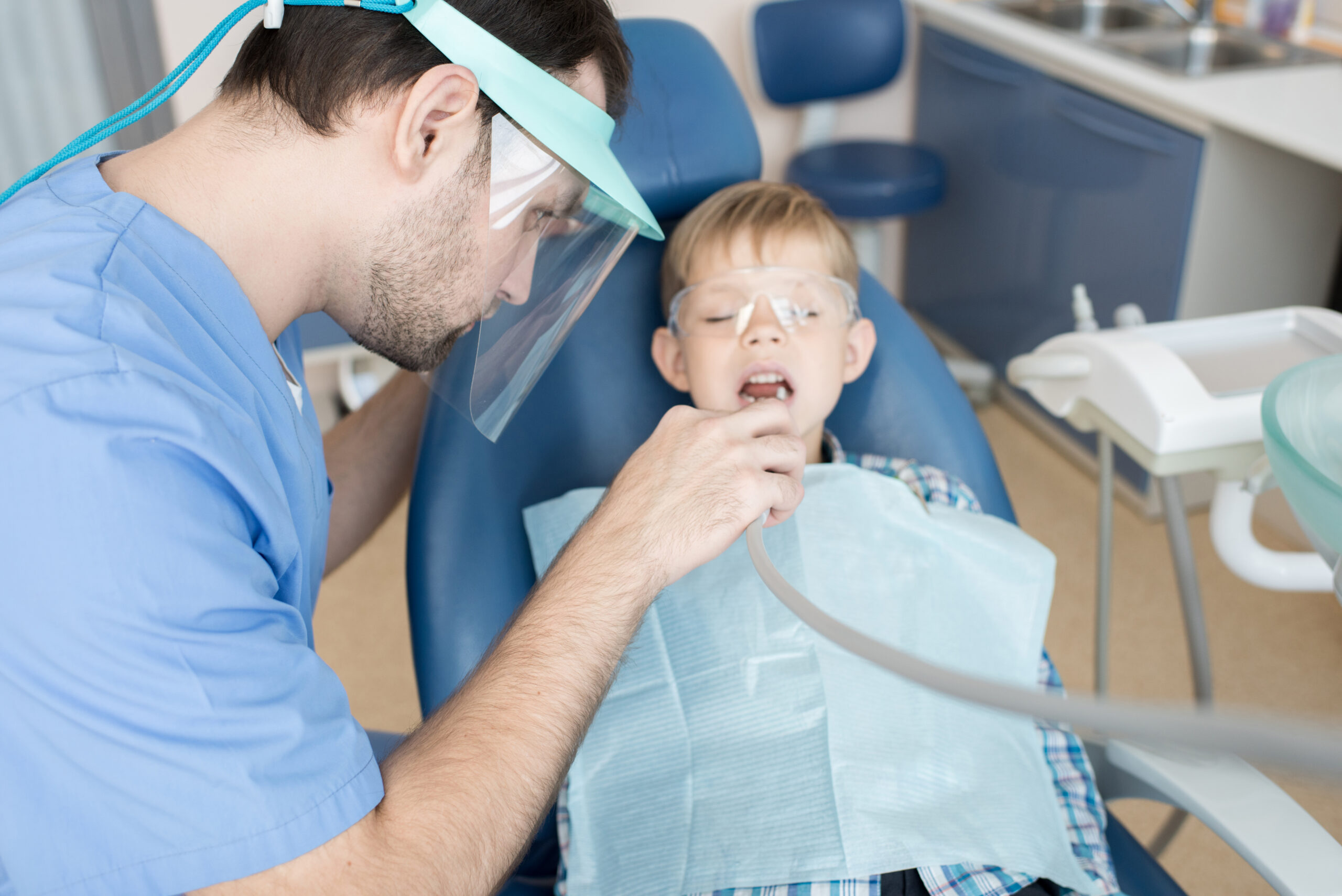
Patient-First Dentistry for Every Stage of Life
From early childhood development to adult care, we focus on patient comfort and comprehensive treatment.
Removing Barriers to Dental Care
We believe everyone deserves access to high-quality dental care, regardless of financial situation.

Comprehensive Dentistry Under One Roof
Orthodontics, implants, oral surgery, and preventative care all conveniently located in our clinics.
Expertise, Access & Convenient Locations
Multiple clinic locations across Los Angeles with extended hours to fit your busy schedule.
Table of Contents
- How Invisalign Dentists in Lynwood Decide Whether Aligners Are the Right Approach
- How Invisalign Dentists in Lynwood Plan Treatment Around Real Tooth Response
- How Invisalign Dentists in Lynwood Identify Signs That Require Treatment Adjustment
- How PhD Dental Balances Invisalign Alignment Goals With Long-Term Oral Health
- Call PhD Dental to Speak With Our Invisalign Dentists in Lynwood Today
How Invisalign Dentists in Lynwood Decide Whether Aligners Are the Right Approach

Invisalign dentists in Lynwood at PHD Dental determine whether clear aligners are appropriate by analyzing how planned tooth movement will interact with bite function, spacing constraints, and long-term stability rather than relying on appearance goals alone. This decision process weighs biological limits, mechanical feasibility, and the likelihood that aligners can achieve movement without introducing new alignment or comfort issues. Teeth do not respond uniformly to force, so dentists evaluate how predictable movement is likely to be across different areas of the mouth. Aligners are recommended when controlled, staged movement can be achieved within those biological boundaries. The goal is suitability for sustained function, not just short-term straightening.
The evaluation also considers how treatment will need to adapt over time rather than assuming a fixed plan from the start. Invisalign dentists in Lynwood anticipate whether refinements, timeline adjustments, or retention strategies will be required based on tooth response and patient wear patterns. This forward-looking approach helps avoid starting aligner treatment in situations where fixed orthodontics or alternative care would be more appropriate. Decisions are grounded in how treatment will progress, not just how it begins. Careful screening protects long-term outcomes.
Bite relationships play a central role in determining whether aligners can move teeth without disrupting how the upper and lower arches function together. Invisalign dentists in Lynwood evaluate how current bite patterns distribute force during chewing and whether planned movements will maintain or improve that balance. Certain bite discrepancies respond predictably to aligners, while others may worsen if not managed carefully. Dentists assess whether aligners can guide movement while preserving functional contact. Bite compatibility is treated as a foundational requirement.
How Dentists Analyze Bite Interaction During Planning
Dentists examine how teeth meet during different functional movements, not only when the mouth is closed. This analysis helps identify potential interferences that could develop as teeth shift. Digital planning is reviewed alongside clinical judgment to anticipate changes. Bite analysis informs whether aligners remain appropriate.
Why Bite Health Matters More Than Cosmetic Alignment
Straight teeth that do not function well can create discomfort or uneven wear. Invisalign dentists prioritize bite health to avoid long-term problems. Cosmetic improvement is secondary to functional stability. Treatment success depends on both.
Not all tooth movements respond equally well to aligner-based force, which makes predictability a key factor in treatment selection. Invisalign dentists in Lynwood assess root position, bone support, and movement direction to estimate how reliably teeth will respond. Certain rotations, vertical movements, or complex shifts may exceed what aligners can manage efficiently. Dentists consider whether movement can be staged safely within biological limits. Predictability guides whether aligners are recommended.
How Dentists Evaluate Movement Complexity
Dentists review imaging and digital simulations to identify challenging movements early. Clinical experience informs how teeth with similar characteristics have responded in past cases. Adjustments are made to avoid unrealistic expectations. Movement complexity influences treatment choice.
Why Biological Limits Cannot Be Overridden by Technology
Aligners apply force, but bone and tissue response determine results. Excessive force or unrealistic staging can compromise outcomes. Dentists respect biological limits to protect tooth health. Technology supports, not replaces, clinical judgment.
Aligner treatment requires ongoing oversight to ensure movement stays within planned parameters as teeth respond. Invisalign dentists in Lynwood evaluate whether patients can commit to regular monitoring and wear compliance. Treatment suitability includes the ability to identify when refinements are needed and to implement them promptly. Aligners are recommended when oversight can be maintained consistently. Monitoring capacity influences decision making.
How Monitoring Affects Treatment Suitability
Regular evaluations allow dentists to detect deviations from planned movement. Early intervention prevents compounding alignment issues. Dentists assess whether this level of supervision is feasible. Monitoring supports controlled progress.
Why Limited Oversight Can Undermine Aligner Outcomes
Without monitoring, small deviations can escalate into larger problems. Teeth may move unpredictably if adjustments are delayed. Invisalign treatment relies on responsive management. Oversight is essential for success.
How Invisalign Dentists in Lynwood Plan Treatment Around Real Tooth Response
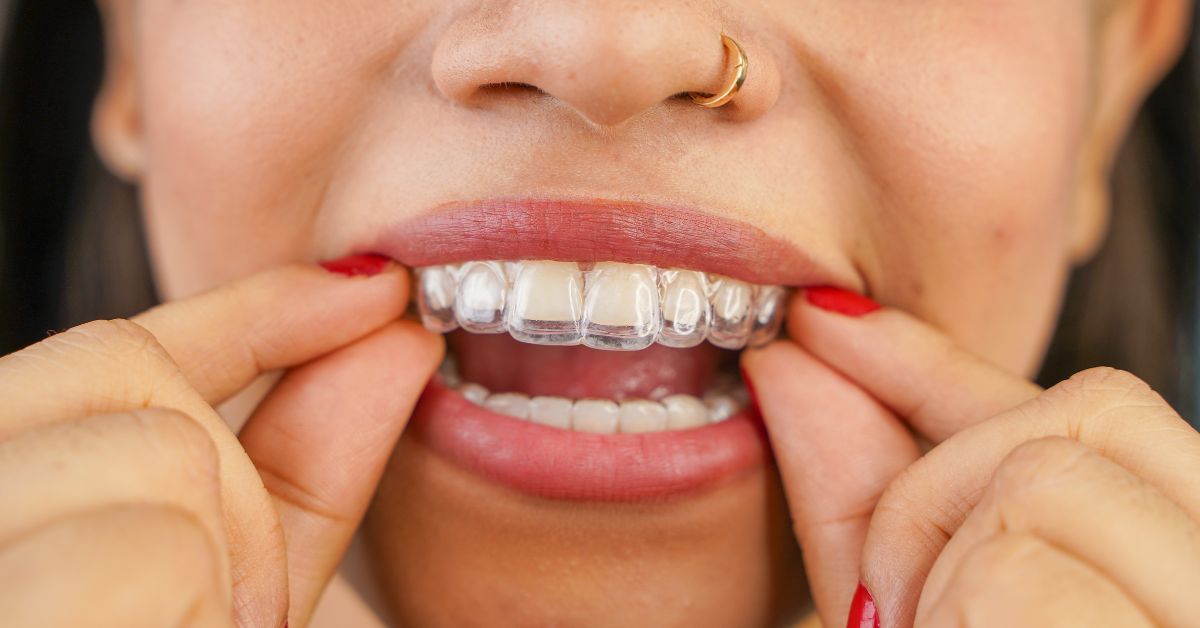
Invisalign dentists in Lynwood plan treatment by accounting for how teeth actually respond to applied force over time rather than relying solely on projected digital simulations. Tooth movement is influenced by bone density, root shape, periodontal support, and individual biological variation, which means response can differ from one area of the mouth to another. Planning therefore remains flexible, with initial aligner sequences treated as informed starting points rather than fixed guarantees. This approach prioritizes adaptability so treatment can remain aligned with real biological behavior as movement begins.
Planning around real tooth response also means anticipating adjustment points before treatment even starts. Invisalign dentists in Lynwood evaluate where slower movement, resistance, or uneven response is most likely to occur and factor those possibilities into sequencing decisions. Rather than pushing teeth to follow an idealized timeline, treatment pacing is set to accommodate biological limits safely. This mindset helps avoid overcorrection, unnecessary refinements, or bite disruption later in care. Treatment planning is guided by how teeth behave, not just how software predicts they should behave.
Biological variability plays a major role in how teeth respond to orthodontic force, even among patients with similar alignment concerns. Invisalign dentists in Lynwood assess factors such as bone density differences, root morphology, and prior dental history to estimate where movement may progress unevenly. These considerations influence how aggressively movement is staged and how many aligners are planned initially. Anticipating variability helps prevent unrealistic expectations about speed or symmetry. Treatment sequencing reflects biological reality rather than idealized models.
How Dentists Identify Areas Likely to Move Slower
Dentists review imaging and clinical findings to evaluate bone thickness and root positioning. Certain tooth positions are known to resist movement more than others. Prior orthodontic treatment or periodontal changes may also affect response. These insights guide sequencing decisions.
Why Planning for Slower Movement Prevents Complications
When slower movement is anticipated, force can be applied more gradually and safely. This reduces the risk of discomfort, root stress, or unintended bite changes. Conservative staging protects tooth health over time. Predictability improves when limits are respected.
Once aligners are worn, early tooth response provides valuable feedback that informs ongoing planning decisions. Invisalign dentists in Lynwood monitor how teeth track within aligners and whether movement aligns with expectations. If certain teeth lag or respond unevenly, adjustments can be made before problems compound. Treatment pace is modified to match observed response rather than forcing progression. Early feedback shapes long-term success.
How Early Tracking Influences Mid-Treatment Decisions
Dentists evaluate aligner fit, attachment engagement, and patient feedback during early visits. Subtle signs of resistance or delayed movement are identified quickly. These observations guide whether refinements or sequencing changes are needed. Early intervention prevents larger corrections later.
Why Flexible Pacing Protects Bite Stability
Pushing teeth faster than biology allows can destabilize bite relationships. Flexible pacing maintains harmony between moving teeth and functional contact. Stability is preserved by responding to feedback rather than ignoring it. Long-term outcomes benefit from measured progression.
Refinements are planned as part of treatment strategy rather than treated as unexpected setbacks. Invisalign dentists in Lynwood expect that real tooth response may require adjustments to aligner design or sequencing. Refinements allow treatment to be recalibrated based on how teeth have actually moved, not how they were predicted to move. This iterative process supports accuracy and comfort. Planning for refinement normalizes adaptation.
How Dentists Decide When Refinements Are Necessary
Dentists assess whether teeth are tracking as intended and whether bite relationships remain balanced. Deviations from planned movement trigger evaluation rather than automatic continuation. Refinement decisions are based on clinical findings, not timelines. Judgment guides timing.
Why Planned Refinements Improve Final Results
Refinements allow aligners to respond to real outcomes rather than theoretical ones. Adjusting plans mid-course improves precision and comfort. Final alignment benefits from this responsiveness. Treatment quality depends on adaptability.
How Invisalign Dentists in Lynwood Identify Signs That Require Treatment Adjustment
Invisalign dentists in Lynwood identify the need for treatment adjustment by closely observing how teeth respond to aligner forces once movement is underway, rather than relying solely on projected timelines or software-generated milestones. Teeth may track unevenly, resist planned movement, or influence bite contact in ways that only become apparent during active treatment. Dentists evaluate these signs as indicators of how biological response is unfolding in real conditions. Adjustments are considered when continuing along the original plan could compromise comfort, efficiency, or long-term stability. The goal is to intervene early, before minor deviations create larger complications.
This identification process is rooted in clinical judgment rather than rigid benchmarks. Invisalign dentists in Lynwood look for patterns over multiple visits, not isolated observations, to determine whether changes reflect temporary variation or meaningful resistance. Treatment is adjusted when evidence suggests that teeth are no longer responding as expected or when bite relationships begin to shift unfavorably. This measured approach avoids unnecessary refinements while still protecting outcomes. Decisions are based on cumulative clinical signals rather than assumptions.
Aligner tracking provides one of the earliest indicators that tooth movement may not be proceeding as planned. Gaps, rocking, or inconsistent fit can signal that teeth are lagging behind intended positions. These observations help determine whether force application remains effective. Tracking accuracy guides whether adjustments are required.
How Dentists Evaluate Subtle Changes in Aligner Seating
Dentists examine how aligners contact tooth surfaces during follow-up visits. Small discrepancies in fit can reveal resistance before patients notice problems. Visual inspection is combined with tactile assessment to confirm seating consistency. These findings inform whether treatment remains on track.
Why Poor Tracking Can Escalate Without Adjustment
When aligners lose intimate contact with teeth, force delivery becomes inconsistent. Continued wear under these conditions may worsen misalignment rather than correct it. Early identification allows recalibration before deviations compound. Preventing escalation protects treatment efficiency.
Bite changes often reveal when an aligner-driven movement begins to affect functional relationships between upper and lower teeth. Invisalign dentists in Lynwood monitor how bite contact evolves as alignment progresses. Premature contact, shifting pressure points, or discomfort during chewing can indicate that treatment requires modification. Functional feedback is treated as a clinical signal, not a nuisance. Bite health remains central to adjustment decisions.
How Dentists Detect Emerging Bite Imbalances
Dentists evaluate occlusion during appointments and ask targeted questions about chewing comfort. Subtle changes in contact patterns may appear before visible alignment issues develop. These findings help identify when movement is influencing function. Bite analysis informs next steps.
Why Bite Disruption Requires Prompt Attention
Unaddressed bite imbalance can strain teeth, joints, and supporting structures. Continued movement without correction may amplify discomfort or instability. Prompt adjustment helps maintain functional harmony. Protecting bite health supports long-term success.
Some teeth respond more slowly or unpredictably to aligner forces due to root shape, bone density, or prior dental history. Invisalign dentists in Lynwood assess whether certain teeth consistently lag behind planned movement stages. Uneven response across the arch may indicate that force application or sequencing needs revision. Resistance is evaluated as a biological reality rather than a treatment failure. Adjustments respect these limits.
How Dentists Recognize Patterns of Movement Resistance
Dentists compare expected tooth positions with actual progress across multiple aligner stages. Repeated lag in specific teeth signals resistance rather than temporary delay. Imaging and clinical evaluation provide context for these patterns. Recognition guides strategic adjustment.
Why Ignoring Resistance Can Compromise Outcomes
Persisting with an unchanged plan despite resistance may increase discomfort or risk unintended movement elsewhere. Teeth forced beyond biological tolerance may respond unpredictably. Adjustment prevents overcorrection and stress. Respecting resistance preserves stability.
Aligner effectiveness depends on consistent wear, making patient habits a critical factor in treatment progression. Invisalign dentists in Lynwood evaluate whether aligners show signs of proper use and whether reported wear aligns with observed movement. Inconsistent wear can mimic biological resistance, requiring careful differentiation. Dentists adjust treatment when patterns suggest compliance issues rather than force limitations. Accurate assessment avoids unnecessary plan changes.
How Dentists Assess Wear Consistency Indirectly
Dentists review aligner conditions, attachment engagement, and movement progress together. These indicators help infer whether wear has been consistent. Conversations clarify daily habits without assumption. Assessment balances observation with communication.
Why Differentiating Compliance From Resistance Matters
Misinterpreting compliance issues as biological limits can lead to inappropriate refinements. Conversely, ignoring wear problems can stall progress. Correct identification supports appropriate intervention. Treatment adjustments depend on accurate diagnosis.
How PhD Dental Balances Invisalign Alignment Goals With Long-Term Oral Health
PhD Dental approaches Invisalign treatment by weighing alignment goals against how tooth movement will affect bite function, enamel contact, and overall oral health years after aligners are complete. Straightening teeth is never treated as an isolated objective, because changes in position influence how forces are distributed during chewing and how teeth wear over time. Invisalign dentists in Lynwood consider whether proposed movements support stable function rather than simply achieving visual symmetry. Treatment planning emphasizes outcomes that remain comfortable and maintainable beyond the active aligner phase. Long-term oral health is treated as a parallel priority, not a secondary benefit.
This balance also requires restraint when alignment goals conflict with biological limits or functional stability. PhD Dental evaluates when slowing treatment, modifying movement, or limiting certain corrections protects the integrity of the bite and surrounding structures. Invisalign dentists in Lynwood explain these considerations clearly so expectations align with what supports lasting oral health. Decisions are guided by how teeth, bone, and bite will interact over decades rather than how quickly alignment can be achieved. This approach favors durability over speed.
PhD Dental evaluates every proposed alignment change by examining how it will influence contact between upper and lower teeth during daily function. Invisalign dentists in Lynwood assess whether planned movements preserve even force distribution or introduce premature contacts that could strain specific teeth. Bite analysis remains central throughout planning and adjustment phases. Alignment is approved when it supports balanced function rather than disrupting established mechanics.
How Bite Analysis Guides Alignment Decisions
Dentists examine how teeth meet during chewing, speaking, and rest positions. This analysis reveals whether movement will improve or compromise functional contact. Adjustments are made when alignment goals threaten bite harmony. Bite evaluation informs every major decision.
Why Bite Health Cannot Be Secondary to Aesthetics
Cosmetically straight teeth that function poorly can lead to discomfort or uneven wear. Long-term oral health depends on stable bite relationships. PhD Dental prioritizes function to prevent downstream issues. Aesthetic goals are balanced within these limits.
PhD Dental regulates the pace of tooth movement to protect bone, roots, and surrounding tissues from excessive stress. Invisalign dentists in Lynwood evaluate whether planned movement rates allow biological adaptation without forcing teeth beyond safe limits. Slower progression is chosen when it supports a healthier response. Pacing decisions are individualized rather than standardized.
How Dentists Determine Safe Movement Rates
Dentists consider bone density, root anatomy, and observed response during early stages. These factors indicate how quickly teeth can move safely. Adjustments are made when response lags or resistance appears. Movement rates reflect biological feedback.
Why Faster Alignment Is Not Always Healthier
Accelerated movement can increase risk to roots and supporting bone. Long-term stability benefits from measured progression. PhD Dental avoids prioritizing speed over tissue health. Sustainable outcomes require patience.
PhD Dental plans retention as an integral part of Invisalign treatment rather than an afterthought. Invisalign dentists in Lynwood evaluate how teeth are likely to shift once aligners are removed and how bite forces will settle. Retention strategies are selected to support both alignment and function. Long-term stability is addressed before treatment concludes.
How Dentists Assess Post-Treatment Stability Risk
Dentists review movement patterns and areas prone to relapse. Bite changes and wear patterns are considered when selecting retention methods. These assessments guide retainer design. Stability planning is proactive.
Why Retention Choices Affect Oral Health Outcomes
Inadequate retention can allow movement that disrupts bite balance. Long-term oral health depends on maintaining functional alignment. PhD Dental selects retention strategies that support stability. Thoughtful retention protects results.
Call PhD Dental to Speak With Our Invisalign Dentists in Lynwood Today
Clear aligner treatment affects more than tooth position because even small alignment changes can influence how teeth are affected, how pressure is distributed, and how stable results remain over time. A consultation offers the opportunity to examine how Invisalign dentists in Lynwood evaluate these factors together. PhD Dental uses this discussion to walk through how treatment decisions are shaped by real tooth response, bite considerations, and long-term stability planning. The focus stays on if Invisalign makes sense for you, not whether it can be started quickly.
This visit also allows for an open conversation about how treatment evolves once aligners are worn including how adjustments are made when teeth respond unpredictably. Dentists explain how oversight continues through refinements and into retention. Understanding how Invisalign treatment is managed over time supports decisions that feel deliberate rather than rushed. Call PhD Dental at (323)269-5437 or visit our contact page to schedule a consultation and discuss whether care with Invisalign dentists in Lynwood aligns with your alignment goals and long-term oral health planning.
Get in Touch with PhD Dental
Pick your location
Los Angeles
Los Angeles is a diverse and fast-moving city where access to dependable dental care is essential for individuals and families alike. PhD Dental serves patients throughout Los Angeles with a commitment to personalized care and long-term oral health.
Hours
- Mon 10:30AM - 7:30PM
- Tue 10:30AM - 7:30PM
- Wed 10:30AM - 7:30PM
- Thu 10:30AM - 7:30PM
- Fri 9:30AM - 7:30PM
- Sat 9:00AM - 3:00PM
- Sun Closed