
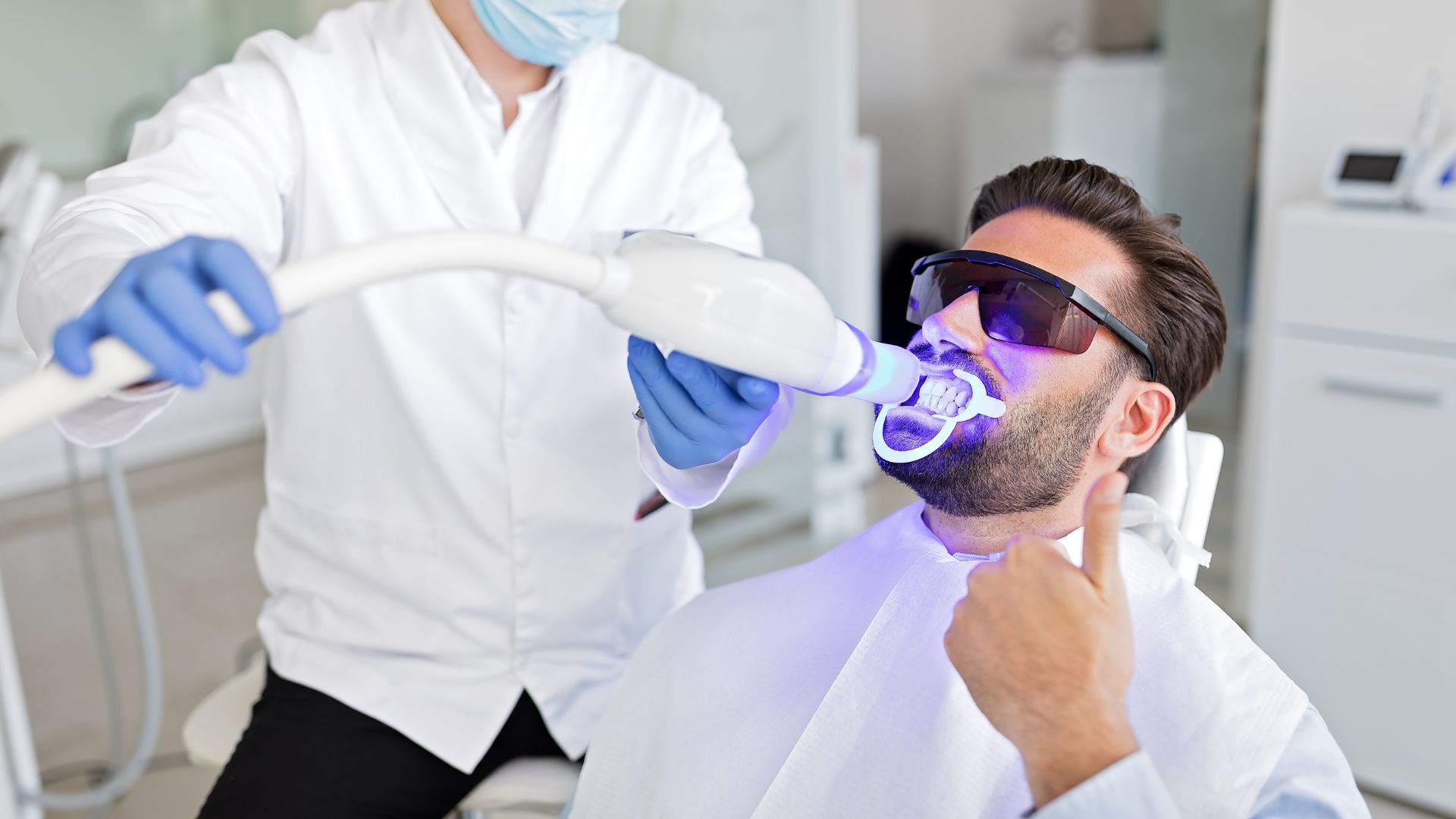
Teeth Whitening in Lynwood
Changes in tooth color often develop gradually and for different reasons, which means whitening outcomes depend heavily on why discoloration occurred in the first place. Teeth whitening in Lynwood is evaluated by looking at how enamel has been affected by staining agents, aging, or internal color shifts. Dentists examine whether discoloration sits on the surface, within the enamel, or deeper in the tooth structure because each scenario responds differently to whitening agents. Whitening is approached as a chemical interaction with tooth structure rather than a cosmetic procedure.
Before recommending teeth whitening in Lynwood, dentists also consider how whitening agents may affect comfort, shade stability, and long-term enamel condition. Whitening strength, exposure time, and delivery method are matched to how teeth are likely to react. Planning accounts for how results will look immediately and how they will hold up long-term. Careful evaluation helps avoid unpredictable outcomes, making the whole process very transparent. If you are considering teeth whitening in Lynwood and want a clear explanation of which whitening methods align with your goals, call PhD Dental at (323)269-5437 or visit our contact page to schedule a consultation focused on thoughtful evaluation.
Top-Rated Dentists
in Los Angeles

Patient-First Dentistry for Every Stage of Life
From early childhood development to adult care, we focus on patient comfort and comprehensive treatment.
Removing Barriers to Dental Care
We believe everyone deserves access to high-quality dental care, regardless of financial situation.

Comprehensive Dentistry Under One Roof
Orthodontics, implants, oral surgery, and preventative care all conveniently located in our clinics.

Expertise, Access & Convenient Locations
Multiple clinic locations across Los Angeles with extended hours to fit your busy schedule.
Table of Contents
- How Dentists Analyze Whether Whitening Will Produce Results in Lynwood
- What Determines How Long Whitening Results Last in Lynwood
- What Factors Influence Whitening Sensitivity
- How PhD Dental Balances Whitening Results With Tooth Protection
- Learn More About PhD Dental’s Teeth Whitening in Lynwood Today
How Dentists Analyze Whether Whitening Will Produce Results in Lynwood
Dentists analyze whether whitening will produce results by examining how tooth structure, stain origin, and enamel condition interact with whitening agents rather than assuming color change is universally achievable. Teeth whitening in Lynwood is evaluated by determining where discoloration resides within the tooth, how permeable the enamel remains, and whether prior dental work will limit visible change. This analysis considers biological response and material boundaries, since whitening relies on chemical diffusion through enamel into dentin. Results are predicted by how these factors align, not by product strength alone. The goal is to anticipate visible change with reasonable confidence before treatment begins.
This evaluation also accounts for how evenly whitening can occur across the smile and how stable the shade change is likely to remain over time. Dentists consider whether mixed stain types, enamel wear patterns, or restorative materials could produce uneven outcomes. Teeth whitening in Lynwood is recommended when projected changes can be achieved consistently without creating contrast between treated teeth and existing restorations. Planning emphasizes predictability and balance rather than maximal brightness. Expectations are set by structural reality.
The origin and depth of discoloration strongly influence whether whitening agents can reach and alter the tooth color. Surface stains from dietary pigments or smoking often respond differently than internal discoloration related to aging or medication exposure. Dentists analyze whether stains are embedded within enamel, concentrated in dentin, or layered across both structures. Teeth whitening in Lynwood is more likely to produce visible results when stain chemistry allows diffusion and oxidation. Stain characterization guides treatment selection.
How Dentists Identify the Source of Discoloration
Dentists assess color patterns, translucency, and patient history to determine stain type. Clinical examination is paired with shade analysis to distinguish surface accumulation from intrinsic change. These observations inform whether whitening chemistry can interact effectively with the discoloration. Accurate identification supports realistic projections.
Why Deeper Stains Respond Differently to Whitening
Whitening agents must penetrate enamel to reach internal stains. Deeper discoloration may require longer exposure or may resist change entirely. Chemical access limits the degree of achievable lightening. Understanding depth prevents unrealistic expectations.
Enamel thickness and integrity affect how whitening agents travel into the tooth and how evenly color change occurs. Thinner or worn enamel may allow faster penetration but can also increase sensitivity risk. Dentists evaluate whether enamel remains intact enough to support controlled whitening without irritation. Teeth whitening in Lynwood is planned around enamel condition to balance responsiveness and comfort. Structural assessment shapes dosing and method.
How Dentists Evaluate Enamel Condition Before Whitening
Dentists examine wear patterns, erosion, and microcracks that influence permeability. Visual inspection is combined with tactile assessment to understand surface integrity. These findings determine whether whitening should proceed gradually or be modified. Enamel evaluation informs safety and efficacy.
Why Enamel Variability Affects Color Uniformity
Uneven enamel thickness can cause patchy lightening across teeth. Areas with greater permeability may whiten faster than others. Uniform results depend on managing these differences. Planning accounts for variability to reduce contrast.
Dental restorations do not respond to whitening agents in the same way natural tooth structure does. Fillings, crowns, and bonding materials maintain their original shade even as surrounding enamel lightens. Dentists assess the presence and visibility of restorations before recommending whitening. Teeth whitening in Lynwood may be limited or staged when restorations would create noticeable mismatch. Material behavior constrains outcomes.
How Dentists Predict Shade Contrast With Restorations
Dentists evaluate restoration location relative to the smile line and adjacent enamel. Shade matching is reviewed to anticipate post-whitening contrast. These projections guide whether whitening alone is appropriate. Planning prevents unintended visual imbalance.
Why Restoration Placement Influences Whitening Decisions
Restorations near the front of the smile are more noticeable after whitening. Mismatch can draw attention rather than improve appearance. Timing and sequencing may be adjusted to maintain harmony. Decisions reflect aesthetic integration.
Producing a lighter shade is only part of the analysis, since long-term stability affects satisfaction and maintenance. Dentists evaluate whether teeth are likely to rebound in color based on stain type and oral habits. Teeth whitening in Lynwood is recommended when projected stability aligns with maintenance expectations. Longevity is considered alongside immediate change. Planning addresses both phases.
How Dentists Assess Risk of Shade Rebound
Dentists review dietary habits, smoking history, and previous whitening responses. These factors influence how quickly pigments may redeposit. Assessment informs maintenance planning. Stability projections guide recommendations.
Why Long-Term Behavior Matters for Treatment Selection
Frequent rebound may require repeated whitening, increasing sensitivity risk. Stable results reduce the need for ongoing intervention. Dentists consider sustainability when advising treatment. Long-term response shapes suitability.
What Determines How Long Whitening Results Last in Lynwood
The duration of visible whitening results depends on how tooth structure responds after treatment rather than how bright teeth appear immediately. Dentists evaluate how enamel condition, stain chemistry, and daily exposure patterns interact once whitening agents have altered tooth color. Teeth whitening in Lynwood is planned with the expectation that some degree of shade rebound occurs, although the rate and extent vary significantly. Longevity is influenced by how easily pigments reattach to enamel surfaces following chemical exposure. Treatment expectations are established around realistic maintenance rather than maximum initial brightness.
Dentists also consider whether whitening protocols preserve enamel resistance over time rather than prioritizing rapid shade change. Aggressive exposure can increase surface porosity, which allows pigments to penetrate enamel more easily afterward. Teeth whitening in Lynwood is recommended when protocols support both visible improvement and long-term surface stability. Durability is evaluated as part of responsible treatment selection. Long-term appearance depends on protecting enamel integrity during whitening.
Different staining compounds interact with enamel in distinct chemical ways, which affects how quickly discoloration returns. Dentists consider whether stains originate from dietary pigments, tobacco exposure, or internal discoloration processes. Both exposure frequency and pigment composition influence how long results last. Chemical behavior drives stain recurrence patterns.
How Dentists Evaluate Staining Risk Based on Daily Habits
Dentists review beverage intake, dietary patterns, and smoking history to estimate ongoing pigment exposure risk. These habits influence how rapidly stains may redeposit after whitening treatment. Risk evaluation helps predict maintenance frequency. Habit assessment supports individualized planning.
Why Certain Pigments Reappear More Quickly After Whitening
Dark chromogenic compounds bind readily to enamel surfaces altered by whitening chemistry. Increased enamel permeability allows pigments to penetrate tooth structure more easily. Chemical affinity explains faster shade rebound following treatment. Understanding pigment behavior informs realistic longevity expectations.
Enamel integrity plays a central role in resisting restaining after whitening treatment. Dentists evaluate whether enamel has been affected by erosion, wear, or prior whitening cycles. More permeable enamel allows pigments to infiltrate tooth structure more quickly. Teeth whitening in Lynwood is planned with enamel resilience in mind to support longer-lasting results. Surface condition influences shade durability.
How Dentists Assess Enamel Resilience Following Whitening
Dentists examine enamel texture, translucency, and sensitivity response after treatment completion. These indicators reflect how enamel reacted to chemical exposure during whitening. Surface resilience affects future resistance to staining agents. Evaluation informs follow-up recommendations.
Why Compromised Enamel Shortens Whitening Longevity
Weakened enamel provides less resistance against staining compounds. Pigments infiltrate porous surfaces more readily over time. Shade stability decreases as permeability increases. Preserving enamel supports extended whitening results.
The method and duration of whitening exposure influence how teeth behave after treatment. Dentists consider whether whitening occurred gradually or through concentrated exposure sessions. Excessive exposure can alter enamel in ways that increase susceptibility to staining. Teeth whitening in Lynwood is selected to balance visible change with surface preservation. Protocol choice affects result longevity.
How Dentists Match Whitening Intensity to Tooth Response
Dentists monitor sensitivity and surface response during whitening to adjust concentration and exposure duration. Controlled intensity reduces stress placed on enamel surfaces. Method selection reflects biological tolerance thresholds. Adjustment supports sustained whitening outcomes.
Why Excessive Exposure Can Accelerate Shade Rebound
Aggressive whitening can increase enamel surface roughness. Roughened surfaces attract staining pigments more readily. Rapid brightening may reduce long-term stability. Conservative exposure protects durability.
Post-treatment behavior significantly influences how long whitening results remain noticeable. Dentists evaluate whether patients can follow maintenance guidance consistently over time. Teeth whitening in Lynwood remains effective longer when aftercare aligns with enamel protection strategies. Daily habits affect how quickly discoloration returns. Maintenance planning is treated as essential.
How Dentists Advise Patients on Preserving Whitening Results
Dentists provide guidance regarding dietary timing, oral hygiene routines, and maintenance intervals. Recommendations are tailored to individual staining risk profiles. Proper guidance supports longer-lasting results. Education reinforces maintenance consistency.
Why Consistent Maintenance Influences Long-Term Appearance
Irregular care allows stains to accumulate more rapidly. Consistent habits slow discoloration over extended periods. Longevity improves with adherence to guidance. Maintenance behavior shapes appearance stability.
What Factors Influence Whitening Sensitivity
Sensitivity associated with whitening occurs when whitening agents interact with tooth structure and nerve pathways rather than from the whitening process alone. Dentists analyze how enamel thickness, dentin exposure, and existing tooth wear affect how easily whitening agents reach sensitive internal structures. Teeth whitening in Lynwood is planned with the understanding that sensitivity risk varies significantly between patients based on anatomy and prior dental history. Some teeth transmit chemical stimuli more readily, which increases the likelihood of temporary discomfort. Sensitivity evaluation focuses on identifying these conditions before treatment begins.
Dentists also consider how whitening intensity and exposure duration influence nerve response during and after treatment. Stronger concentrations or prolonged exposure can increase fluid movement within dentin, which stimulates nerve endings. Teeth whitening in Lynwood is recommended when sensitivity risk can be managed through controlled protocols and appropriate safeguards. Planning emphasizes minimizing discomfort without compromising effectiveness. Sensitivity is treated as a biological response that must be anticipated and managed.
Enamel thickness plays a critical role in buffering teeth from whitening-related sensitivity. Thinner enamel allows whitening agents to penetrate more quickly toward the dentin and pulp. Dentists evaluate whether wear, erosion, or developmental factors have reduced enamel protection. Teeth whitening in Lynwood is approached cautiously when dentin exposure increases sensitivity risk. Structural assessment informs treatment selection.
How Dentists Assess Enamel and Dentin Conditions
Dentists examine wear patterns, translucency, and surface texture to estimate enamel thickness. Areas of exposed dentin or microcracking are identified during clinical evaluation. These findings indicate how easily whitening agents may affect nerves. Assessment guides preventive measures.
Why Reduced Enamel Increases Sensitivity Likelihood
Thinner enamel provides less insulation against chemical diffusion. Dentin contains tubules that transmit stimuli toward nerve tissue. Increased permeability heightens nerve response during whitening. Protecting enamel reduces sensitivity risk.
The strength and duration of whitening exposure directly affect how teeth respond during treatment. Higher concentrations increase the rate of chemical penetration through enamel and dentin. Dentists balance concentration with exposure time to limit nerve irritation. Teeth whitening in Lynwood is selected with sensitivity thresholds in mind. Protocol design influences comfort.
How Dentists Adjust Whitening Intensity for Sensitivity Control
Dentists modify concentration levels and session length based on patient response. Shorter exposure or staged treatments reduce cumulative irritation. Monitoring allows adjustments when sensitivity develops. Controlled intensity supports tolerance.
Why Prolonged Exposure Can Trigger Post-Treatment Sensitivity
Extended exposure increases fluid shifts within dentin tubules. These shifts stimulate nerve endings and cause discomfort. Sensitivity may persist briefly after treatment. Limiting exposure helps manage this response.
Previous wear and microstructural changes can increase susceptibility to whitening sensitivity. Teeth with cracks, erosion, or abrasion allow easier agent penetration. Dentists evaluate these conditions during examination. Teeth whitening in Lynwood may be modified when structural changes elevate sensitivity risk. Surface condition affects response.
How Dentists Identify Wear Patterns That Affect Sensitivity
Dentists inspect incisal edges, cervical areas, and occlusal surfaces for signs of wear. Surface irregularities indicate reduced protective barriers. These areas are more reactive to whitening agents. Identification informs precautions.
Why Worn Surfaces React More Strongly to Whitening
Wear exposes pathways that accelerate chemical diffusion. Nerve tissues respond more readily to stimuli. Increased sensitivity reflects this exposure. Managing wear reduces discomfort.
How PhD Dental Balances Whitening Results With Tooth Protection
PhD Dental approaches whitening by recognizing that visible shade change and tooth protection are not separate goals, because whitening agents alter enamel chemistry while producing aesthetic improvement. Every whitening recommendation considers how much color change can be achieved without increasing the risk of sensitivity, surface weakening, or accelerated stain rebound. Teeth whitening in Lynwood is planned by evaluating how enamel condition, exposure limits, and patient tolerance interact during and after treatment. Dentists avoid protocols that prioritize immediate brightness if they compromise the tooth’s ability to resist future wear or irritation. Whitening decisions are framed around controlled change rather than maximal lightening.
This balance requires restraint, because pushing whitening intensity beyond what enamel can tolerate may produce short-term results that undermine long-term comfort and stability. PhD Dental evaluates whether a given tooth can respond favorably to whitening chemistry without triggering prolonged sensitivity or surface alteration. Teeth whitening in Lynwood is recommended only when protection strategies can be maintained throughout the process. The objective is to deliver noticeable improvement while preserving the tooth’s natural defenses. Long-term oral health remains central to every recommendation.
PhD Dental begins by determining how much chemical exposure enamel can tolerate without increasing porosity or weakening surface structure. Dentists evaluate enamel thickness, wear patterns, and previous whitening history to establish safe boundaries before treatment begins. Teeth whitening in Lynwood is approached conservatively when enamel shows signs of erosion or reduced resilience. Exposure limits are defined to prevent cumulative damage. Protection starts with understanding enamel capacity.
How Dentists Evaluate Enamel Tolerance Before Whitening
Dentists examine surface texture, translucency, and sensitivity response during clinical evaluation. These indicators reveal how enamel has reacted to past chemical or mechanical stress. Findings help determine whether whitening should proceed gradually or be limited in strength. Enamel assessment guides protocol selection.
Why Excessive Exposure Can Undermine Tooth Protection
Overexposure to whitening agents can increase enamel roughness and permeability. Roughened surfaces attract pigments more easily and heighten sensitivity risk. Protective barriers weaken when exposure exceeds tolerance. Controlled dosing preserves enamel function.
Sensitivity management is integral to balancing whitening results with tooth protection. PhD Dental evaluates how nerve response, enamel condition, and exposure timing influence discomfort during and after treatment. Teeth whitening in Lynwood is adjusted when sensitivity thresholds are reached rather than continuing at fixed intensities. Dentists modify protocols to reduce irritation without abandoning desired outcomes. Comfort and effectiveness are managed together.
How Dentists Adjust Whitening Protocols When Sensitivity Develops
Dentists monitor patient feedback and clinical signs during whitening sessions. Exposure time or concentration is reduced when sensitivity emerges. Desensitizing agents may be incorporated to calm nerve response. Adjustments protect patient comfort while maintaining progress.
Why Ignoring Sensitivity Can Compromise Long-Term Results
Persistent sensitivity may discourage maintenance or lead to enamel damage. Discomfort can signal excessive chemical stress on tooth structure. Continuing without adjustment increases risk of adverse effects. Addressing sensitivity supports sustained outcomes.
Tooth protection extends beyond the whitening appointment itself. PhD Dental provides guidance on how teeth should be cared for as enamel rehydrates and stabilizes after treatment. Teeth whitening in Lynwood includes planning for recovery, because enamel behavior changes temporarily following chemical exposure. Dentists consider how aftercare influences stain resistance and comfort. Post-treatment protection is treated as part of whitening, not an afterthought.
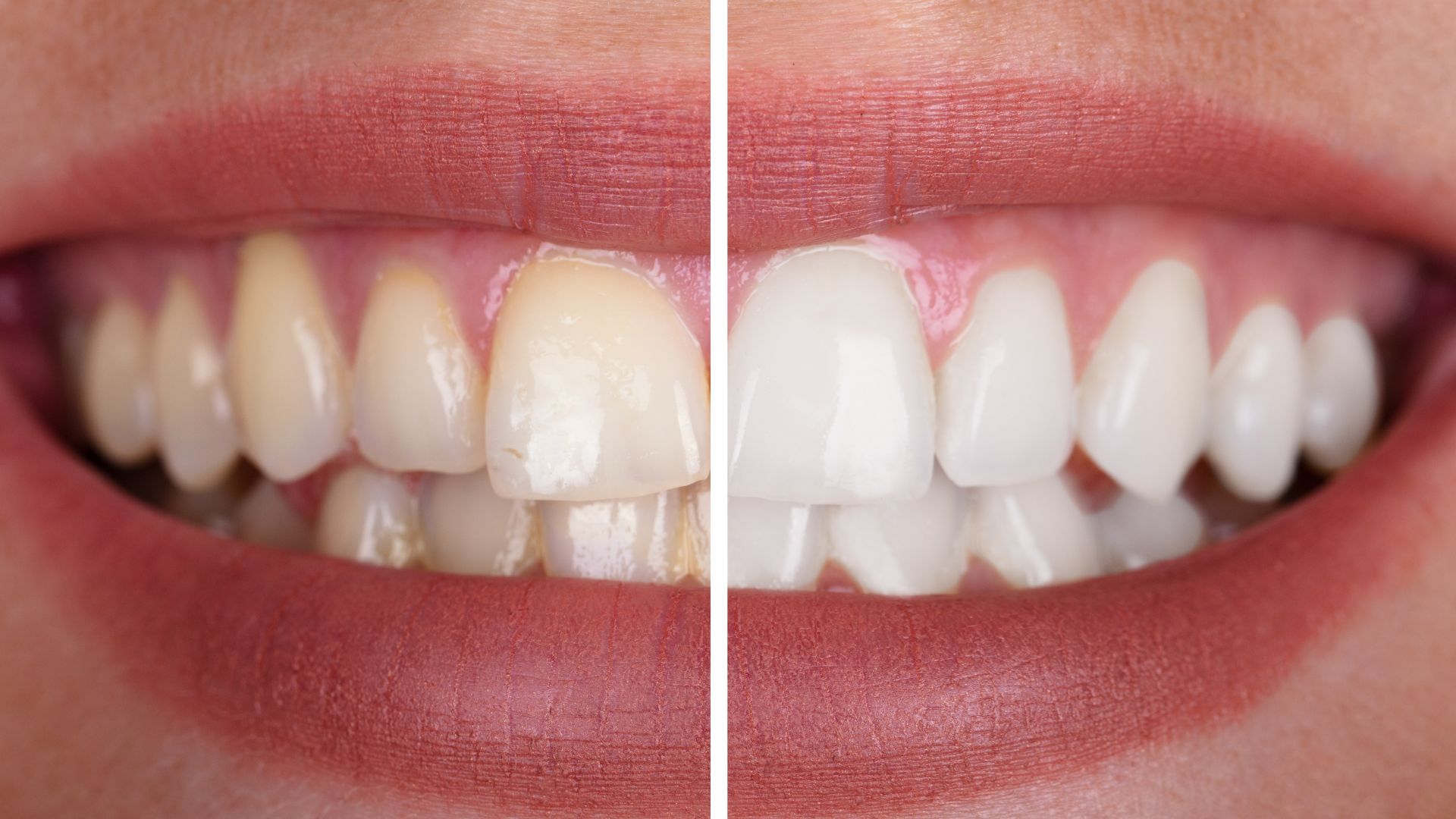
How Dentists Support Enamel Recovery Following Whitening
Dentists recommend remineralization strategies, fluoride application, and controlled exposure to staining agents. These measures help restore surface balance and reduce sensitivity duration. Recovery support strengthens enamel defenses. Guidance is tailored to individual risk profiles.
Why Post-Whitening Care Influences Long-Term Protection
Enamel remains more receptive immediately after whitening. Proper care limits pigment uptake and irritation during this period. Neglecting recovery increases the chance of relapse or discomfort. Protection depends on informed aftercare.
Learn More About PhD Dental’s Teeth Whitening in Lynwood Today
Deciding to whiten teeth involves weighing visible color change against how enamel and sensitivity may respond over time. A consultation creates space to examine whether teeth whitening in Lynwood can be performed within exposure limits that protect enamel structure while still producing noticeable improvement. PhD Dental uses this discussion to explain how whitening chemistry interacts with individual tooth conditions, where protective boundaries are set, and why certain approaches are recommended over others.
This conversation also allows for a detailed review of sensitivity risk, recovery expectations, and how whitening fits into future dental care without creating avoidable complications. Patients leave understanding not only what level of whitening is possible, but what level is advisable for their teeth. Call PhD Dental at (323)269-5437 or visit our contact page to schedule a consultation today.
Get in Touch with PhD Dental
Pick your location
Los Angeles
Los Angeles is a diverse and fast-moving city where access to dependable dental care is essential for individuals and families alike. PhD Dental serves patients throughout Los Angeles with a commitment to personalized care and long-term oral health.
Hours
- Mon 10:30AM - 7:30PM
- Tue 10:30AM - 7:30PM
- Wed 10:30AM - 7:30PM
- Thu 10:30AM - 7:30PM
- Fri 9:30AM - 7:30PM
- Sat 9:00AM - 3:00PM
- Sun Closed