
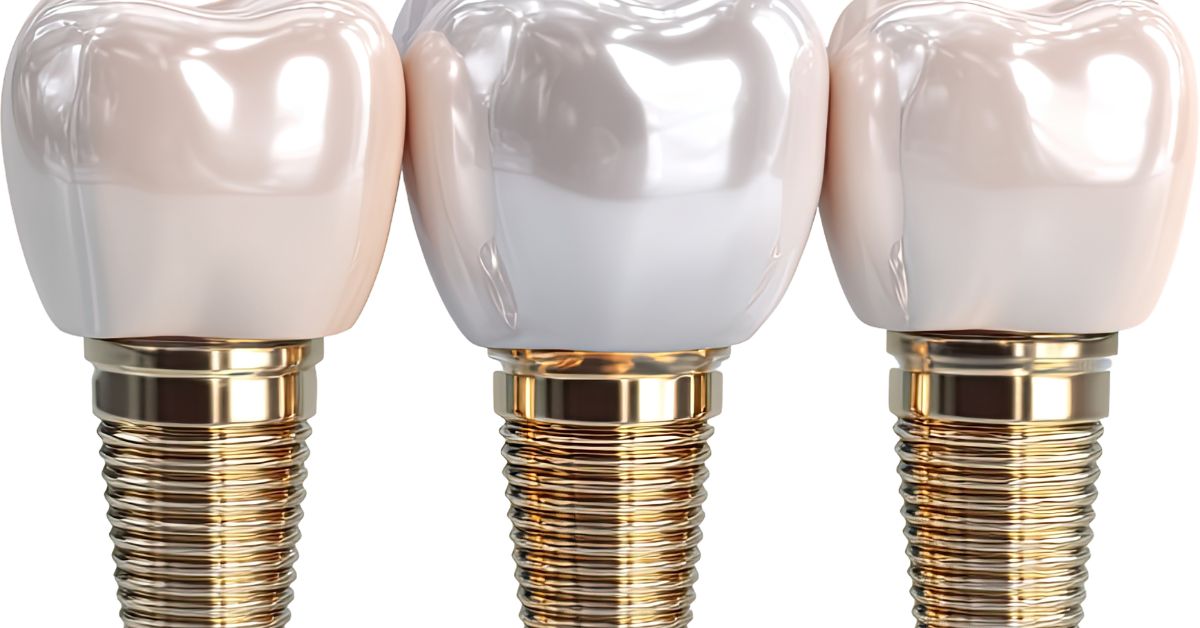
Endosteal Dental Implants in Norwalk
Endosteal Dental Implants give Norwalk, CA dental patients a dependable way to replace missing teeth. These quality dentures improve stability and support everyday function. Many people reach this point after living with a gap, dealing with a loose bite, or feeling limited by a removable option that never feels fully secure. Endosteal implants can support single-tooth replacement or more complex restorative needs, and dentists often use them because they integrate into a plan that protects comfort and long-term usability. The right recommendation starts with a clear evaluation of bone support, gum health, and how the missing tooth affects your bite.
Patients also want clarity on what the process means for daily life, including how soon they can chew confidently and how the final result should feel during normal speech. A thoughtful implant plan ties the restoration to practical outcomes, such as balanced bite contact and a tooth replacement that feels stable in real meals, not just in the dental chair. Dentists also consider how the implant will support the surrounding teeth over time, since the goal is to restore function without creating new stress points. When expectations are clear, patients feel more confident that endosteal implants offer a long-term solution rather than a temporary fix.
Call (323) 269-5437 to schedule a consultation with PHD Dental and learn whether endosteal implants in Norwalk fit your tooth replacement goals and comfort needs.
Why Endosteal Implants Are the Most Common Dental Implants
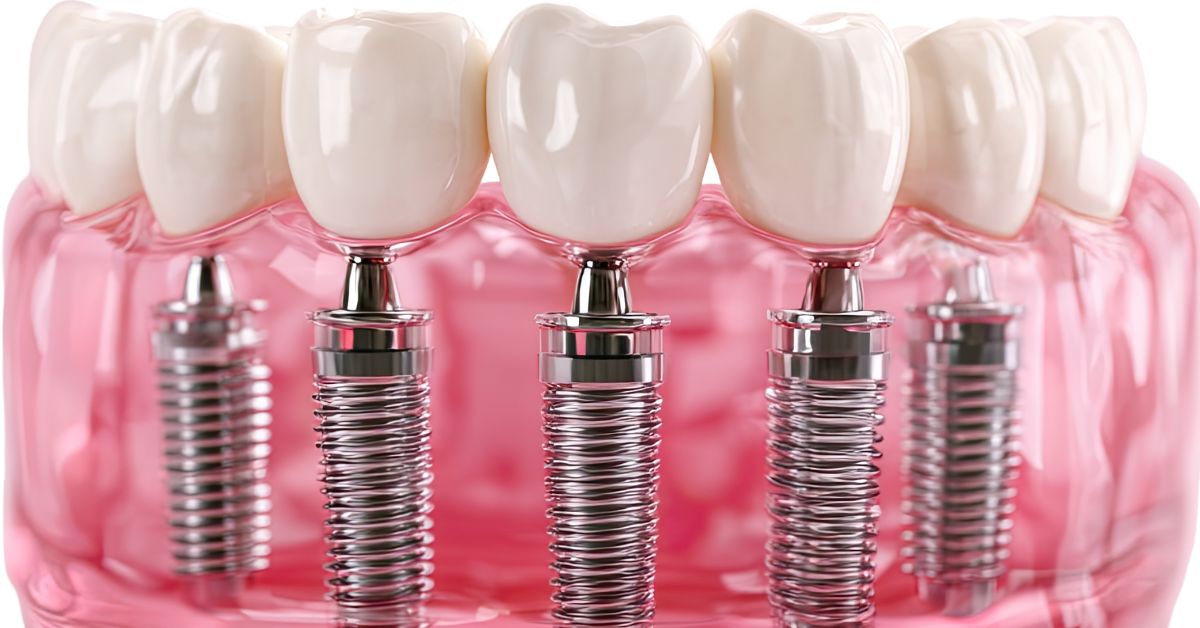
Endosteal implants are the most common dental implants because they fit a wide range of tooth replacement needs while offering a predictable foundation for long-term restorations. Dentists rely on them for single missing teeth, multiple gaps, and many bridge or denture support plans because the approach adapts well to different mouths and different goals. Patients also value this option because it supports a stable result that does not rely on removable appliances or daily workarounds. When an implant plan prioritizes fit, bite balance, and follow-through care, endosteal implants often feel like the most straightforward path to dependable function. At PHD Dental, the emphasis stays on how the replacement will perform in real life, including chewing comfort, speech clarity, and a bite that feels consistent across meals. A careful evaluation also helps confirm whether this approach matches your anatomy and your goals, rather than forcing a generic solution. Patients often appreciate that endosteal implants can support a natural-looking restoration without requiring neighboring teeth to carry the workload. That combination of flexibility and predictability is a major reason many dentists view endosteal implants as the standard option for tooth replacement.
Dentists often choose endosteal implants because the approach has a long track record and clear planning standards. That predictability matters because implant success depends on careful evaluation, good placement strategy, and a restoration that matches how the patient uses their bite. Patients benefit when the plan follows a proven framework, since it reduces uncertainty and makes expectations easier to explain.
Why Planning and Placement Consistency Improves Endosteal Dental Implant Patient Outcomes
Clear planning helps dentists anticipate challenges before they become problems, such as pressure points, uneven bite contact, or a restoration that feels bulky. Patients often feel more confident when the dentist explains the plan in plain language and ties each step to comfort and longevity. A consistent planning approach also helps avoid surprises, which supports satisfaction because the process feels controlled and organized.
How Follow-Up and Monitoring Protect Long-Term Implant Performance
Implant care continues after placement, and the most successful outcomes include periodic checks for bite stability and tissue health. Dentists monitor small changes over time so they can address minor concerns early. Patients value this support because it reinforces that the implant plan includes long-term stewardship, not just a single procedure.
Endosteal implants work well because they can support different types of restorations based on what the patient needs. Some patients want to replace one missing tooth in a way that looks natural and functions like a normal bite. Others need a plan that supports a larger restoration while keeping chewing pressure organized and comfortable.
How Endosteal Dental Implants Support a Restoration That Fits Your Bite
A stable bite depends on how the final crown or restoration meets the opposing teeth during chewing. Dentists design the restoration to distribute pressure in a way that feels natural and avoids overloading one area. Patients tend to feel more satisfied when the tooth replacement does not feel like an add-on, because it works smoothly during real meals and everyday talking.
Why a Customized Restoration Matters More Than a Generic Fit
Small differences in shape and contact can change how the implant feels and how well it holds up over time. A customized restoration helps the tooth blend visually and functionally with the surrounding teeth. This precision supports trust because it shows the dentist is designing for long-term comfort, not rushing to a one-size result.
Many patients choose endosteal implants because they want a fixed solution that feels dependable without extra daily steps. Removable options can help, but they often require ongoing adjustment and can feel less predictable during eating and speaking. Endosteal implants appeal to patients who want a tooth replacement that supports routine confidence and does not require constant attention.
How Fixed Dental Implant Stability Can Improve Confidence in Social and Work Settings
Patients often notice the difference when they stop thinking about their teeth during conversations, meals, or meetings. A stable restoration can make speech feel more natural and chewing feel less cautious. This impact matters because confidence often comes from predictability, not from dramatic cosmetic change.
Why Reliability Is a Key Driver of Patient Satisfaction with Implants
Patients want a result they can trust day after day, especially when replacing a tooth affects how they eat and speak. When the implant restoration feels consistent, patients tend to worry less about future problems. That reliability supports satisfaction because it allows patients to return to normal routines without ongoing compromise.
When Dentists in Norwalk Recommend Endosteal Implants
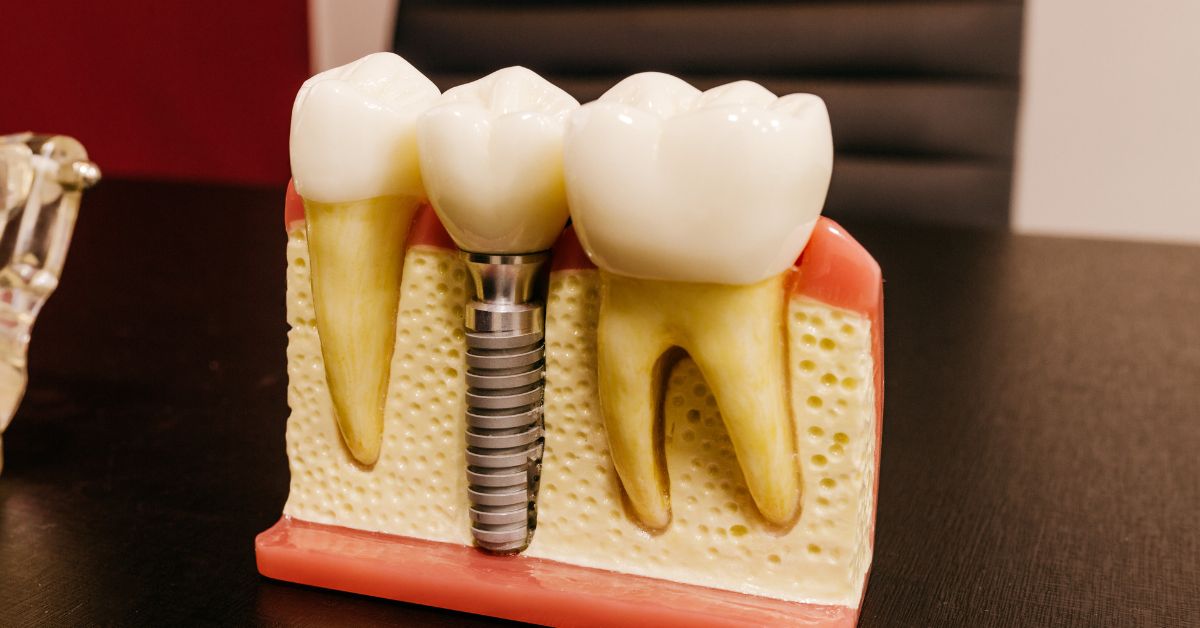
Dentists in Norwalk recommend endosteal implants when a patient wants a fixed replacement that restores function without creating new strain on neighboring teeth. The decision often comes down to whether the mouth can support a predictable implant plan, and whether the patient wants a solution that feels stable during normal chewing and speaking. Dentists also consider the long-term impact of leaving a gap untreated, because missing teeth can change how the bite distributes pressure and how surrounding teeth hold their position. A clear recommendation ties the implant plan to practical outcomes, not just to the fact that a tooth is missing.
Endosteal implants often become the preferred option when a single missing tooth affects bite balance, appearance, or the ability to chew comfortably on that side. Many patients want to avoid reshaping adjacent teeth for a bridge, especially when those teeth are healthy. An implant can restore the missing tooth space with a standalone solution that supports daily function and feels easier to maintain.
Why Preserving Neighboring Teeth Matters in Implant Planning
When a bridge requires preparation of nearby teeth, those teeth take on added responsibility and may need future care. Patients often prefer implant planning that keeps surrounding teeth intact, because it protects long-term flexibility if their dental needs change later. Dentists recommend endosteal implants in these cases because the approach supports a replacement that stands on its own.
How Endosteal Implants Help Maintain Bite Alignment Over Time
A missing tooth can allow neighboring teeth to drift into the open space and change contact points in the bite. Those shifts can create new pressure areas that feel uneven during chewing. An implant-supported crown can help keep spacing more stable and support a more consistent bite pattern.
Patients with more than one gap often want a plan that restores function without turning everyday chewing into a careful workaround. Dentists may recommend endosteal implants when the goal is to rebuild support in a way that keeps pressure distributed and reduces stress on remaining teeth. This approach can be especially helpful when missing teeth appear in areas that do the heaviest chewing work.
How Dentists Decide Between Individual Implants and Other Restorations
Dentists look at where the gaps sit, how the bite meets, and whether the remaining teeth can support a bridge comfortably. Some patients benefit from a plan that uses implants to support a bridge segment, while others do best with separate tooth replacement depending on spacing and function. A trusted recommendation explains why the proposed approach fits your bite and lifestyle instead of presenting only one default option.
Why Function-First Planning Improves Satisfaction with Tooth Replacement
Patients often feel most satisfied when the plan restores practical chewing ability, not just appearance. Dentists evaluate how the replacement will handle everyday pressure and how it will feel during meals. This focus reduces regret because the outcome performs well in the situations patients care about most.
Some patients feel worn down by removable solutions that shift, require daily adjustments, or limit food choices. Dentists may recommend endosteal implants when a patient wants a fixed result that feels more consistent and reduces the need for ongoing workarounds. The right plan also accounts for how the patient wants to care for their teeth day to day, since maintainability plays a major role in long-term success.
How Norwalk Dentists Evaluate Readiness for a Fixed Implant-Supported Solution
A dentist considers gum health, bone support, and whether any current dental issues need to be addressed first. Patients also benefit from a discussion about long-term care habits, because implants still need consistent hygiene and routine monitoring. A clear evaluation builds confidence because it shows the dentist is planning for durability, not just short-term placement.
How Clear Candidacy Criteria Builds Trust in Implant Recommendations
Patients make better decisions when they understand why they qualify and what could affect outcomes. Dentists build trust by explaining the reasoning in plain language and outlining what steps improve predictability. This transparency supports satisfaction because the patient feels informed and prepared, not pressured.
How Endosteal Implants Support Natural Chewing and Speech
Endosteal implants support natural chewing and speech by restoring stable contact points and restoring smiles. This helps the mouth work without constant compensation. Many patients adapt to missing teeth by shifting where they chew, changing the pace of meals, or avoiding certain sounds in conversation. Those adjustments can become habits that feel normal until a fixed replacement restores the structure the mouth expects. A well-planned implant restoration helps patients return to more effortless function because the bite feels organized and predictable.
Chewing feels natural when the teeth meet evenly and pressure spreads across the bite instead of concentrating in one area. Endosteal implants can help rebuild a missing contact point so patients stop guarding one side or relying only on certain teeth for chewing. Patients often describe this as a return to normal pacing at meals, because they do not need to test each bite or chew cautiously.
How Balanced Bite Contact Reduces Jaw Fatigue During Meals
When patients chew mostly on one side, the jaw muscles can feel tired or sore by the end of a meal. A more balanced bite can reduce that strain by distributing work across the mouth more evenly. Dentists pay close attention to bite contact because comfort comes from stability and balance, not from forceful chewing.
Why Bite Fine-Tuning Protects Long-Term Comfort
Even a small high spot can make an implant restoration feel noticeable during chewing. Dentists refine the bite so pressure lands where it should and the implant crown integrates smoothly with nearby teeth. Patients tend to feel more satisfied when the restoration disappears into normal function instead of demanding attention.
Many patients limit their diet after tooth loss because tougher textures feel awkward or uncomfortable. A stable implant-supported tooth replacement can make it easier to bite and chew foods that require more consistent pressure. Patients often appreciate this change because it feels practical, not cosmetic, and it supports a more normal eating routine.
Why Front-Tooth Function and Back-Tooth Function Both Matter
Biting into foods uses different mechanics than grinding them, and missing teeth can disrupt both. Patients often notice the biggest improvement when they can bite confidently without tearing food in a careful way or avoiding certain foods altogether. Dentists evaluate which teeth need support and how the replacement should meet the bite to restore function where the patient needs it most.
How Restored Function Supports Better Nutrition and Less Meal Stress
When patients can chew more efficiently, they often feel less restricted at meals and less anxious about eating in public. That change can support better food variety and a more relaxed pace while eating. Patients often view this as a major quality-of-life benefit because it affects daily comfort, not just occasional special events.
Speech relies on consistent tongue placement and controlled airflow, especially for certain consonants and fast conversation. Missing teeth can change where the tongue lands and can make some words feel less crisp, which can increase self-consciousness. Endosteal implants can restore the surfaces the mouth uses for pronunciation so speech feels more natural over time.
How Tooth Replacement Supports Clearer Pronunciation in Daily Conversations
Patients often notice subtle improvements in speech when their mouth stops compensating for a missing space. Conversations can feel smoother because the tongue and lips rely on more predictable contact points. Dentists also consider spacing and shape because small details can affect how speech feels during normal talking.
Why Comfort and Confidence Often Improve Together After Tooth Replacement
Speech changes can create a quiet worry that others will notice, even when the change is minor. When patients trust their tooth replacement and stop monitoring how they speak, confidence often increases naturally. This is one of the most meaningful outcomes of endosteal implants because it supports a sense of normalcy in everyday interactions.
Get Started with Endosteal Implants at PHD Dental in Norwalk
Endosteal Implants in Norwalk should begin with a plan that matches your missing-tooth situation and the way you use your bite every day. PHD Dental focuses on clarifying what the implant will replace, how it should meet the opposing teeth, and what needs to be addressed first to support a stable result. This consultation should also help you understand whether an endosteal implant fits your timeline and your comfort expectations, since predictability depends on careful sequencing and realistic milestones. Patients tend to feel more confident when the recommendation feels tailored to their tooth position, bite needs, and long-term goals rather than presented as a standard package.
Getting started also means having a clear picture of the steps that protect your outcome after the restoration is complete, including monitoring bite contact and maintaining healthy tissue around the implant. PHD Dental will explain what to expect at each stage in plain language, so you can plan around work, family, and routine responsibilities without guessing. Patients often appreciate leaving the visit with a straightforward plan and next steps that feel organized and manageable. The goal is a fixed tooth replacement that supports natural function in Norwalk and holds up with sensible follow-through care.
Call (323) 269-5437 to schedule a consultation with PHD Dental and get started with endosteal implants in Norwalk.
Get in Touch with PhD Dental
PhD Dental Los Angeles
Los Angeles is a diverse and fast-moving city where access to dependable dental care is essential for individuals and families alike. PhD Dental serves patients throughout Los Angeles with a commitment to personalized care and long-term oral health.
Hours
- Mon 10:30AM - 7:30PM
- Tue 10:30AM - 7:30PM
- Wed 10:30AM - 7:30PM
- Thu 10:30AM - 7:30PM
- Fri 9:30AM - 7:30PM
- Sat 9:00AM - 3:00PM
- Sun Closed