
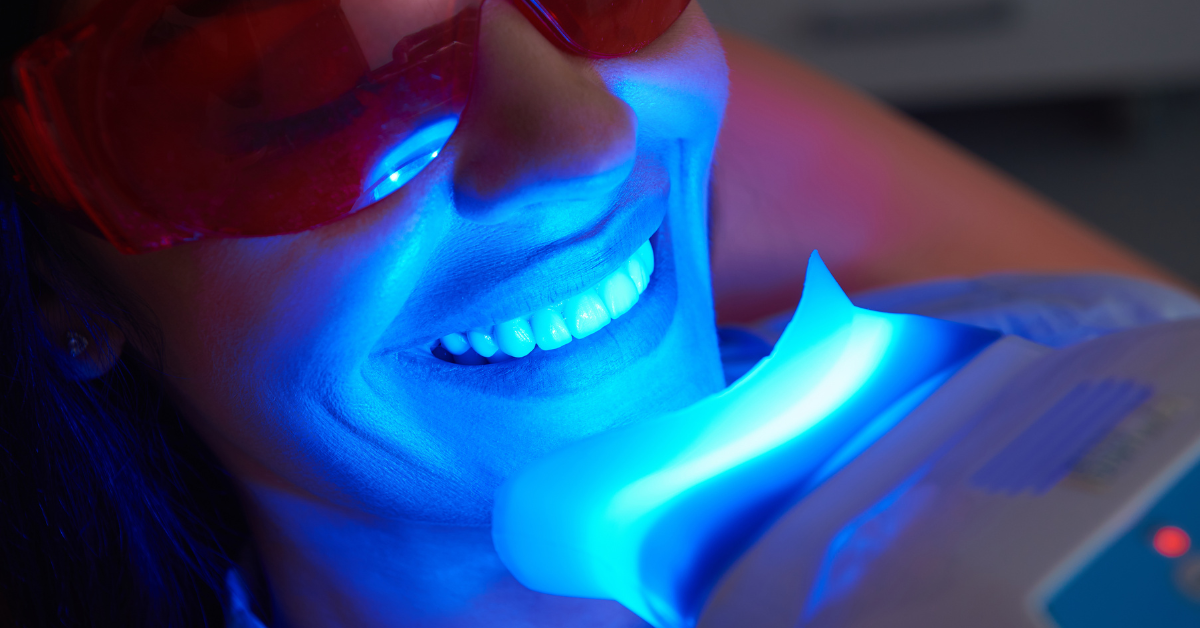
Teeth Whitening in Norwalk
Color changes in teeth rarely happen overnight since enamel responds to diet, chemistry, and wear that accumulates across years of daily use. Teeth whitening in Norwalk addresses these changes by targeting how stains bind to enamel and how deeper discoloration alters the underlying tooth structure. PhD Dental approaches whitening as a controlled process rather than a cosmetic shortcut. The goal is to achieve visible improvement without compromising tooth health or comfort.
Results from teeth whitening in Norwalk depend heavily on the source of discoloration and the condition of the enamel receiving treatment. PhD Dental evaluates each case by identifying if discoloration is surface-based, internally driven, or related to restorative materials that will not change color. Whitening recommendations are built around predictable responses rather than idealized shade expectations. If you are considering teeth whitening in Norwalk and want an evaluation based on enamel health and realistic results rather than one-size-fits-all promises, call PhD Dental at (323)269-5437 or visit our contact page to schedule a consultation today.
Top-Rated Dentists
in Los Angeles
Patient-First Dentistry for Every Stage of Life
From early childhood development to adult care, we focus on patient comfort and comprehensive treatment.
Removing Barriers to Dental Care
We believe everyone deserves access to high-quality dental care, regardless of financial situation.

Comprehensive Dentistry Under One Roof
Orthodontics, implants, oral surgery, and preventative care all conveniently located in our clinics.
Expertise, Access & Convenient Locations
Multiple clinic locations across Los Angeles with extended hours to fit your busy schedule.
What Affects Whitening Safety and Sensitivity
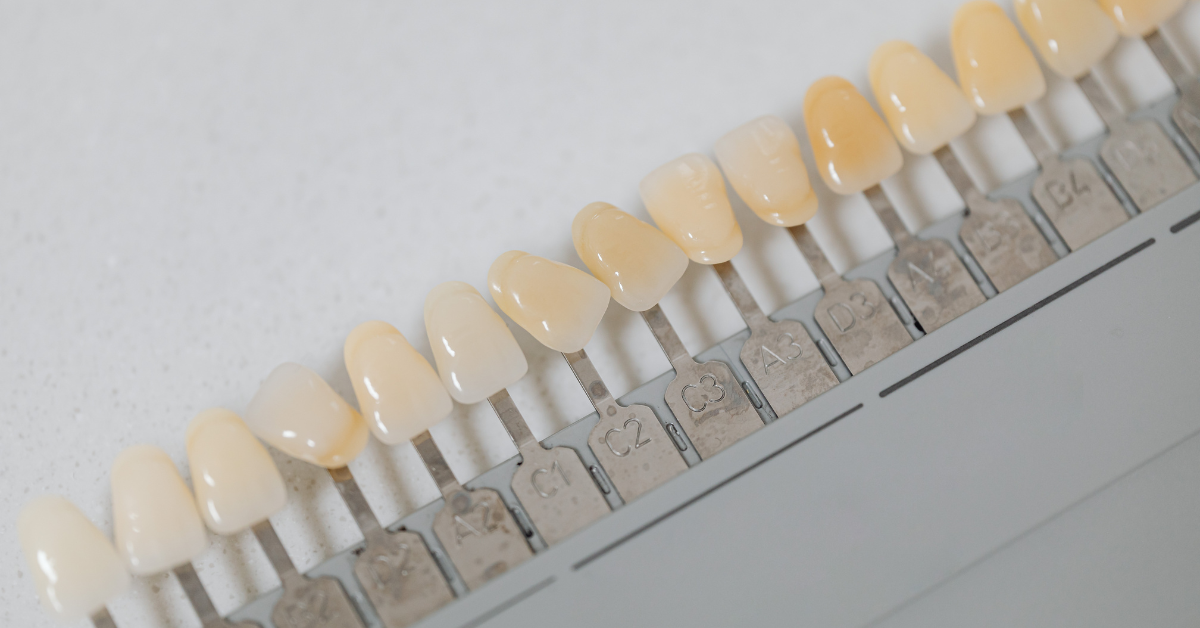
Whitening safety and sensitivity are determined by how bleaching agents interact with enamel, underlying dentin, and the nerve structures inside the tooth rather than by the strength of the product alone. Teeth whitening in Norwalk must be planned around the condition of the enamel surface, the thickness of protective layers, and how easily whitening agents can penetrate toward sensitive internal tissues. PhD Dental evaluates whitening safety by examining how chemical exposure will affect each tooth based on its current health, prior dental treatment, and sensitivity history. This approach avoids assuming that all teeth tolerate whitening in the same way.
Sensitivity risk is also influenced by how whitening is applied, how long agents remain in contact with teeth, and how frequently treatments are repeated. Improper application or excessive exposure can irritate nerve pathways even when enamel appears intact. PhD Dental plans whitening protocols that balance visible improvement with controlled exposure to protect tooth structure and comfort. Safety decisions are therefore rooted in biological response rather than product branding or advertised strength.
Enamel thickness plays a central role in whitening safety because it determines how easily bleaching agents can pass through to deeper tooth layers. Thinner or worn enamel allows faster penetration, which can increase sensitivity even at lower whitening concentrations. PhD Dental evaluates enamel condition to determine how aggressively whitening agents can be used without irritating internal structures. Surface integrity influences both safety and predictability.
How Enamel Wear Changes Sensitivity Risk
Worn enamel reduces the protective barrier between whitening agents and dentin. This allows chemicals to reach nerve-sensitive areas more quickly. PhD Dental adjusts whitening protocols when enamel wear is present. Risk assessment guides exposure limits.
Why Surface Defects Increase Chemical Penetration
Cracks, erosion, and uneven enamel surfaces create pathways for whitening agents. These pathways bypass normal protective layers. PhD Dental identifies these defects before recommending treatment. Safety planning accounts for these vulnerabilities.
Restorations such as crowns, veneers, and bonding do not respond to whitening agents in the same way as natural tooth structure. Whitening surrounding teeth can create color contrast that highlights existing dental work. PhD Dental evaluates restorative history to prevent uneven appearance or unnecessary retreatment. Compatibility influences safety and aesthetic consistency.
How Restorations Influence Whitening Planning
Restorative materials resist chemical color change during whitening. This can lead to mismatched shades if not anticipated. PhD Dental factors restoration placement into treatment recommendations. Planning prevents unintended contrast.
Why Whitening Cannot Alter Artificial Materials
Bleaching agents work by oxidizing organic pigments within enamel and dentin. Artificial materials lack these pigments. PhD Dental explains these limitations during consultation. Expectations are set realistically.
The way whitening agents are applied significantly affects sensitivity outcomes. Concentration, contact time, and frequency determine how much chemical interaction occurs within the tooth. PhD Dental controls these variables to reduce irritation while still achieving effective whitening. Application precision supports safety.
How Controlled Exposure Limits Nerve Irritation
Shorter exposure times reduce the likelihood of chemical diffusion toward nerves. PhD Dental designs protocols that limit unnecessary contact. Sensitivity risk decreases with controlled timing. Exposure management protects comfort.
Why Professional Supervision Matters
Unsupervised whitening increases the chance of overuse or improper application. Professional oversight ensures protocols remain within safe limits. PhD Dental monitors response throughout treatment. Supervision protects tooth health.
How Long Whitening Changes Typically Remain Visible
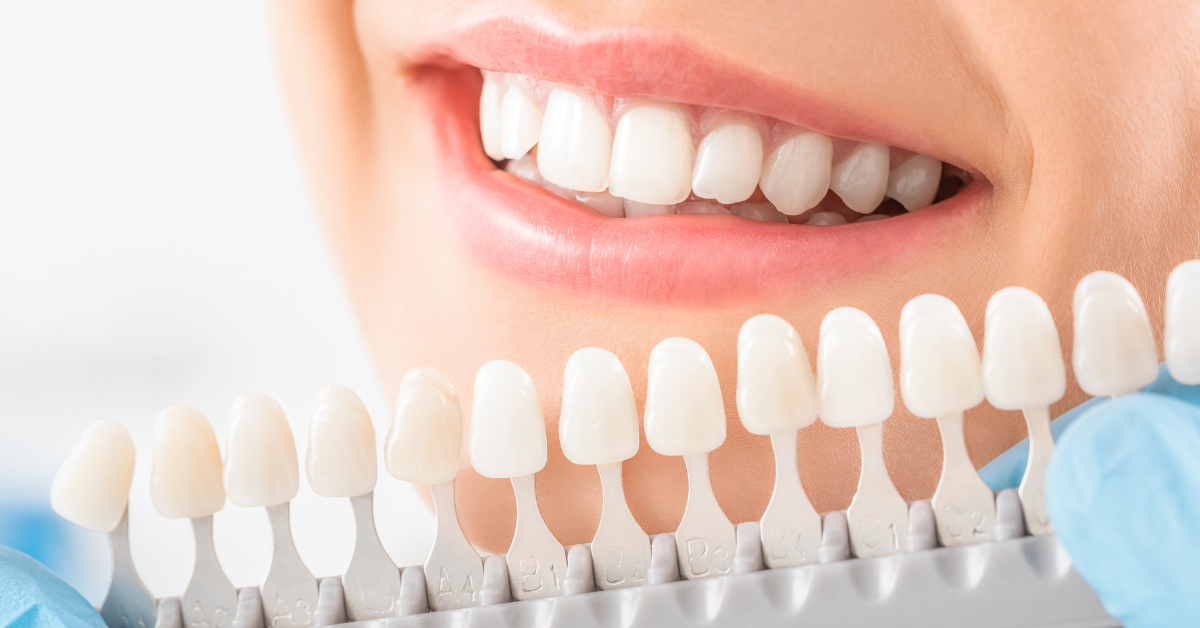
The visibility of whitening changes depends on how enamel interacts with pigments after treatment rather than on the whitening session itself. Teeth whitening in Norwalk produces results that fade gradually as enamel continues to exchange minerals and absorb color from daily exposure to food, beverages, and oral chemistry. PhD Dental evaluates longevity by considering how stain sources, enamel texture, and saliva composition interact after whitening is complete. Duration is influenced by biological behavior rather than a fixed timeline.
Whitening longevity also reflects how aggressively discoloration developed before treatment and how teeth respond once whitening agents are no longer present. Some color changes remain noticeable for extended periods, while others soften more quickly due to lifestyle and enamel characteristics. PhD Dental approaches longevity discussions by explaining how post-treatment conditions influence visual change over time. Expectations are shaped around realistic patterns rather than assumed permanence.
Foods and beverages introduce pigments that interact readily with recently whitened enamel surfaces. Teeth that have undergone whitening may absorb color unevenly depending on enamel porosity and surface texture. PhD Dental evaluates how dietary habits influence the rate at which visible brightness diminishes. Longevity varies based on repeated exposure rather than isolated intake.
How Pigmented Foods Interact With Enamel After Whitening
Pigments from coffee, tea, wine, and sauces bond to enamel through chemical attraction rather than surface staining alone. Recently whitened enamel can absorb these pigments more readily during early post-treatment periods. PhD Dental explains how timing and frequency of exposure affect visual change. Color reabsorption reflects chemical interaction within enamel.
Why Timing Matters After Whitening Sessions
Enamel undergoes temporary changes after whitening that affect how pigments bind. Early exposure to staining substances can alter visible results more quickly. PhD Dental advises on timing considerations based on enamel behavior. Understanding timing helps set realistic expectations.
Enamel thickness and mineral composition influence how long whitening changes remain noticeable. Teeth with smoother, denser enamel tend to show slower color change over time compared to teeth with porous or worn surfaces. PhD Dental evaluates enamel characteristics to estimate how stable whitening results may appear. Structural variation explains why outcomes differ between individuals.
How Enamel Porosity Influences Color Retention
Porous enamel allows pigments to migrate into deeper layers more easily. This process affects how quickly visible brightness softens after whitening. PhD Dental assesses porosity during evaluation to discuss longevity realistically. Color stability reflects enamel permeability.
Why Natural Tooth Color Affects Longevity
Underlying tooth shade influences how dramatic whitening appears over time. Teeth with naturally darker dentin may show gradual reemergence of deeper color. PhD Dental explains how baseline color interacts with whitening change. Visual perception shifts as internal color becomes more noticeable.
Longevity is also shaped by whether whitening is refreshed periodically or allowed to fade naturally. Some patients choose touch-up treatments to maintain brightness, while others accept gradual color change. PhD Dental discusses refresh intervals based on enamel response and sensitivity history. Maintenance choices influence how long results remain visually prominent.
How Touch-Up Frequency Affects Visible Brightness
Repeated whitening exposure alters enamel response over time. Spacing between treatments affects how teeth respond visually and physically. PhD Dental evaluates appropriate intervals to avoid excessive chemical interaction. Brightness maintenance depends on controlled repetition.
Why Individual Plans Matter for Longevity
No single maintenance schedule fits every whitening case. Enamel behavior, lifestyle habits, and sensitivity history vary widely. PhD Dental develops individualized recommendations based on these factors. Longevity planning reflects personal conditions rather than averages.
How Whitening Interacts With Daily Oral Habits
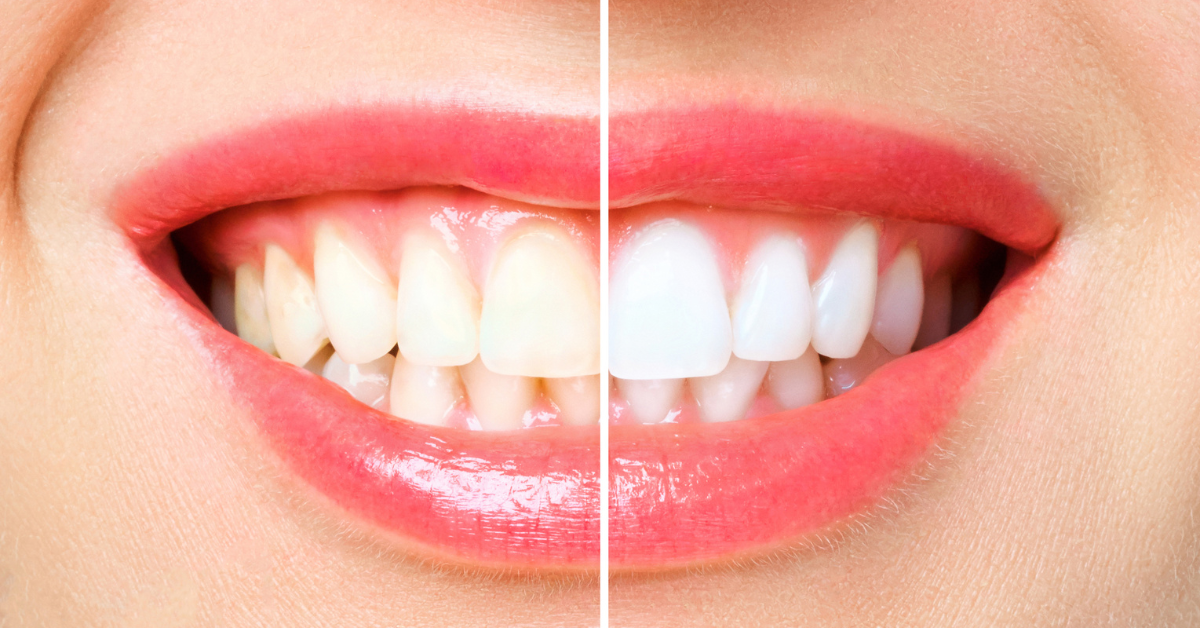
Daily oral habits influence how whitening results appear and change over time because enamel remains chemically active long after whitening agents are removed. Teeth whitening in Norwalk must be considered alongside brushing routines, eating patterns, and hydration habits that affect how pigments interact with enamel surfaces each day. PhD Dental evaluates whitening outcomes by looking at how these habits introduce color, alter enamel texture, and influence mineral exchange within the tooth structure. The interaction between whitening and routine behavior explains why results evolve gradually rather than remaining static.
Habits that seem unrelated to whitening often affect how long visible changes remain noticeable and how evenly color fades across the smile. Tooth surfaces encounter repeated exposure to abrasives, acids, and pigments through normal routines that reshape enamel response over time. PhD Dental approaches whitening guidance by explaining how these everyday factors influence post-treatment appearance rather than assuming whitening exists independently of daily care. Results reflect ongoing interaction rather than a single treatment event.
Brushing habits influence how enamel surfaces interact with pigments and whitening changes over time. Abrasive toothpaste, pressure intensity, and brushing frequency can alter enamel texture, which affects how color reappears after whitening. PhD Dental evaluates brushing behavior to understand how mechanical wear may influence whitening longevity. Surface response varies depending on how enamel is treated daily.
How Toothpaste Abrasiveness Affects Whitening Appearance
Highly abrasive toothpaste gradually alters enamel smoothness through repeated mechanical action. Changes in surface texture influence how pigments attach and how light reflects off teeth. PhD Dental considers toothpaste selection when discussing post-whitening appearance changes. Abrasiveness plays a role in visual consistency.
Why Brushing Pressure Matters After Whitening
Excessive brushing pressure accelerates surface wear over time. Altered enamel surfaces interact differently with staining compounds. PhD Dental explains pressure considerations to align habits with whitening expectations. Technique influences long-term appearance.
Food and beverage choices affect how quickly enamel absorbs pigments following whitening treatment. Liquids and foods with strong color compounds interact chemically with enamel during routine consumption. PhD Dental evaluates dietary patterns to explain why color change may occur unevenly across teeth. Repeated exposure shapes visual outcomes over time.
How Acidic Foods Influence Enamel Interaction
Acidic foods temporarily soften enamel through mineral exchange processes. Softer enamel absorbs pigments more readily during exposure periods. PhD Dental discusses acid timing to explain post-whitening color behavior. Interaction depends on frequency and sequence.
Why Frequency Matters More Than Occasional Intake
Repeated exposure reinforces pigment interaction with enamel surfaces. Isolated intake produces less cumulative visual change. PhD Dental frames dietary influence around patterns rather than individual choices. Consistency shapes outcomes.
Saliva composition influences how enamel recovers between exposures to pigments and acids. Hydration levels affect saliva flow, which plays a role in mineral balance on tooth surfaces. PhD Dental considers hydration habits when explaining differences in whitening longevity between patients. Oral environment stability affects visual change.
How Saliva Flow Influences Color Stability
Adequate saliva flow supports mineral exchange on enamel surfaces. Reduced flow alters how pigments interact with teeth throughout the day. PhD Dental evaluates dryness factors when discussing whitening variability. Saliva dynamics influence appearance.
Why Daily Hydration Patterns Affect Results
Consistent hydration supports regular saliva production. Irregular hydration changes oral chemistry over time. PhD Dental explains how hydration habits interact with whitening changes. Patterns influence long-term visual consistency.
How PhD Dental Approaches Teeth Whitening Decisions
PhD Dental approaches whitening decisions by first determining how tooth color change will interact with enamel condition, internal tooth structure, and prior dental treatment rather than starting from shade preference alone. Whitening is treated as a chemical intervention that alters how enamel behaves temporarily and how pigments interact afterward, which requires careful evaluation before any agent is selected. This perspective frames whitening as a clinical decision shaped by biological response, not a cosmetic add-on chosen in isolation. Recommendations are therefore guided by how teeth are expected to respond during and after whitening rather than how quickly visible change can be produced.
This decision process also accounts for the fact that whitening outcomes vary widely depending on stain origin, enamel permeability, and sensitivity history. PhD Dental evaluates whether whitening will produce uniform visual change or introduce contrast issues that could complicate appearance or comfort. When whitening expectations exceed what enamel condition reasonably allows, those limitations are discussed before treatment begins. Decision-making emphasizes predictability and control rather than maximal brightness targets.
PhD Dental evaluates enamel thickness, surface texture, and wear patterns to determine how whitening agents are likely to interact with tooth structure. Enamel condition influences how quickly whitening chemicals penetrate and how sensitivity may develop during exposure. Teeth with uneven or compromised enamel require different planning than teeth with intact, dense surfaces. Evaluation ensures whitening recommendations align with structural reality rather than generalized suitability.
How Enamel Characteristics Shape Whitening Planning
Dense enamel slows chemical diffusion and alters how color change appears across the tooth surface. Thinner or worn enamel allows faster interaction with internal layers, which changes both response and comfort considerations. PhD Dental accounts for these characteristics when determining exposure levels and method selection. Planning reflects how enamel properties influence whitening behavior.
Why Enamel Assessment Comes Before Shade Goals
Shade goals assume uniform response across all teeth. Enamel assessment reveals whether that assumption is realistic for a given case. PhD Dental prioritizes structural evaluation to avoid uneven or unpredictable results. Outcome expectations are adjusted based on enamel findings.
PhD Dental reviews crowns, bonding, and veneers before recommending whitening because these materials do not change color through chemical bleaching. Whitening natural teeth around restorations can introduce visible contrast if not planned carefully. Existing dental work influences whether whitening is appropriate or whether alternative approaches should be considered. Compatibility evaluation prevents mismatched outcomes.
How Restorations Influence Whitening Recommendations
Artificial materials remain unchanged during whitening exposure. This creates potential shade discrepancies as surrounding enamel lightens. PhD Dental factors restoration location and visibility into whitening decisions. Planning addresses visual balance rather than isolated tooth color.
Why Whitening Is Not Always the First Step
In some cases, whitening may highlight existing restorations rather than improve overall appearance. PhD Dental evaluates whether whitening enhances or complicates visual consistency. Alternative sequencing may be discussed when whitening introduces imbalance. Decision logic prioritizes overall harmony.
PhD Dental considers sensitivity history and nerve response patterns when determining whether whitening should be approached conservatively or deferred. Sensitivity develops when chemical exposure interacts with internal tooth structures, not simply from product strength. Exposure timing, frequency, and delivery method are adjusted to reflect individual tolerance. Decisions are based on minimizing discomfort while achieving measurable change.
How Exposure Planning Reduces Unwanted Sensitivity
Shorter exposure intervals limit how deeply whitening agents interact with internal tooth layers. PhD Dental selects protocols that allow gradual color change without overwhelming nerve response. Sensitivity patterns are monitored throughout treatment. Planning adapts to response rather than assuming uniform tolerance.
Why Individual Response Guides Whitening Decisions
Sensitivity varies widely even among teeth that appear similar. PhD Dental uses patient history and observed response to guide adjustments. Whitening decisions evolve based on feedback rather than fixed protocols. Individual response shapes treatment direction.
Call Today to Discuss Teeth Whitening in Norwalk With PhD Dental

Teeth whitening works best when the decision to proceed is based on how enamel, internal tooth structure, and existing dental work will respond over time rather than on immediate visual change alone. A thoughtful whitening approach considers whether color change will remain even, how sensitivity may develop, and how everyday habits will influence appearance after treatment. PhD Dental frames whitening decisions around these practical realities so outcomes remain manageable. This allows whitening to fit appropriately within long-term oral care instead of functioning as a standalone cosmetic step.
A consultation creates space to review tooth condition, discuss realistic expectations, and determine whether whitening aligns with comfort, maintenance preferences, and overall dental health goals. Attention is given to how results may evolve, what follow-up may be required, and if whitening should be staged or combined with other care. This process replaces assumption with clarity and helps avoid decisions that create short-term change without long-term satisfaction. If you are considering teeth whitening in Norwalk and want guidance grounded in clinical evaluation, Call PhD Dental at (323)269-5437 or visit our contact page to schedule a consultation focused on individualized whitening care.
Get in Touch with PhD Dental
Pick your location
Los Angeles
Los Angeles is a diverse and fast-moving city where access to dependable dental care is essential for individuals and families alike. PhD Dental serves patients throughout Los Angeles with a commitment to personalized care and long-term oral health.
Hours
- Mon 10:30AM - 7:30PM
- Tue 10:30AM - 7:30PM
- Wed 10:30AM - 7:30PM
- Thu 10:30AM - 7:30PM
- Fri 9:30AM - 7:30PM
- Sat 9:00AM - 3:00PM
- Sun Closed