
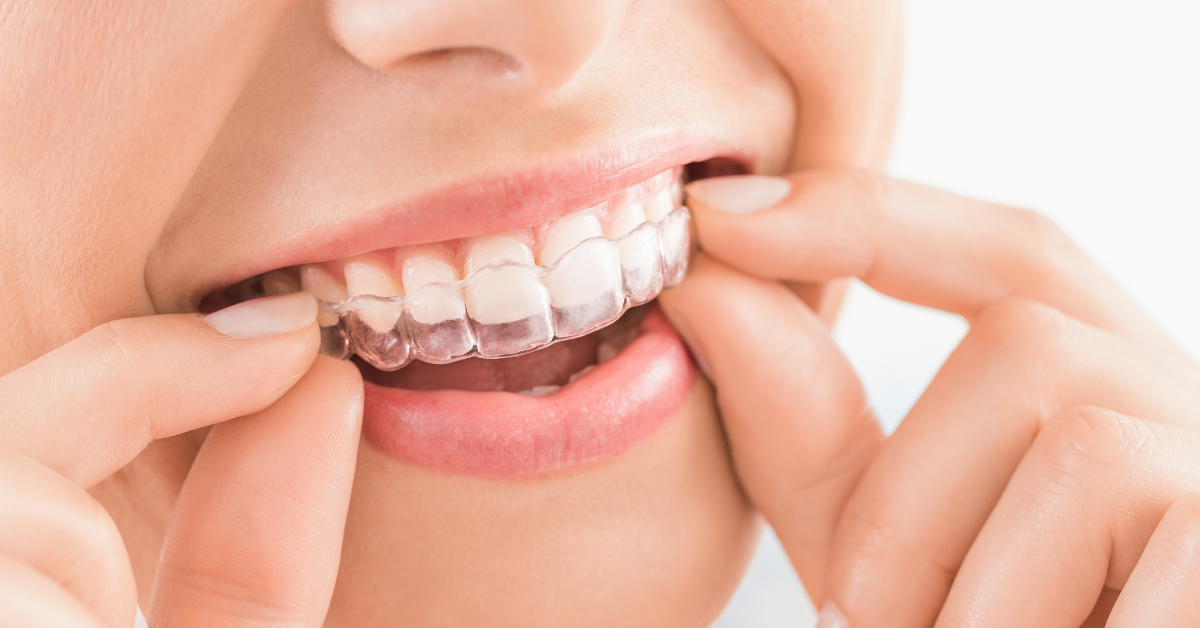
Invisalign Dentists in Westchester
Patients searching for Invisalign dentists in Westchester often want more than straight teeth. They want a plan that keeps alignment stable long after active treatment ends. PhD Dental focuses on Invisalign as a complete system that includes retainer planning, wear schedules, and follow-up checks that protect alignment once active movement ends. This matters because most shifting happens quietly over time, and a clear retention plan keeps small changes from turning into a noticeable relapse.
Invisalign success depends on realistic guidance that fits your routines and your risk profile. Our team reviews how your teeth tend to move, how your bite loads the front teeth, and what retainer approach supports stability without creating daily friction. We also explain what to do if a retainer stops fitting, since that moment often determines whether alignment stays controlled or starts drifting. You get a plan that stays practical, measurable, and easy to maintain, so your outcome holds up in real life.
Call (323) 269-5437 to schedule a visit with PhD Dental and speak with Invisalign dentists in Westchester about treatment and long-term retainer planning.
Top-Rated Dentists
in Los Angeles
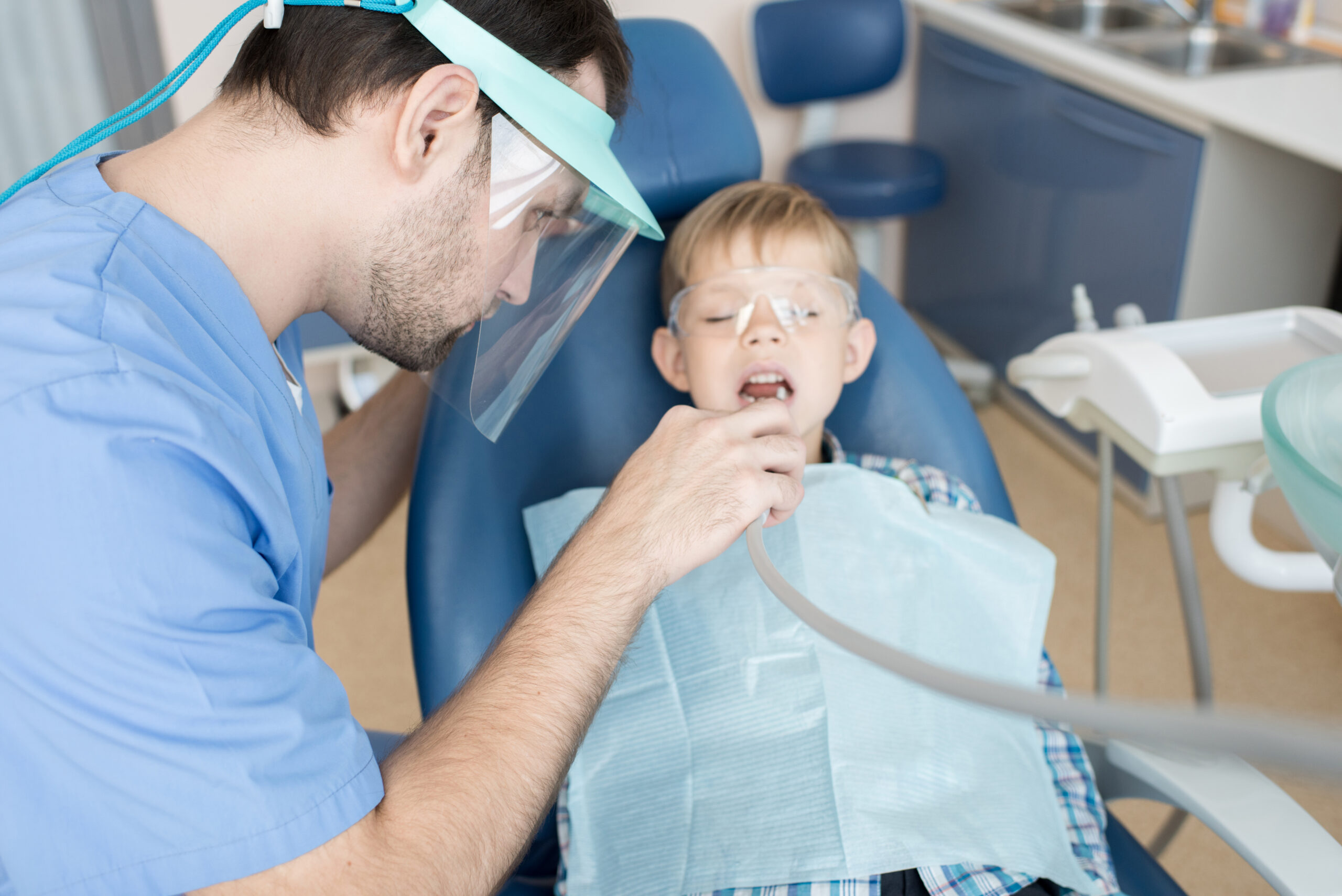
Patient-First Dentistry for Every Stage of Life
From early childhood development to adult care, we focus on patient comfort and comprehensive treatment.
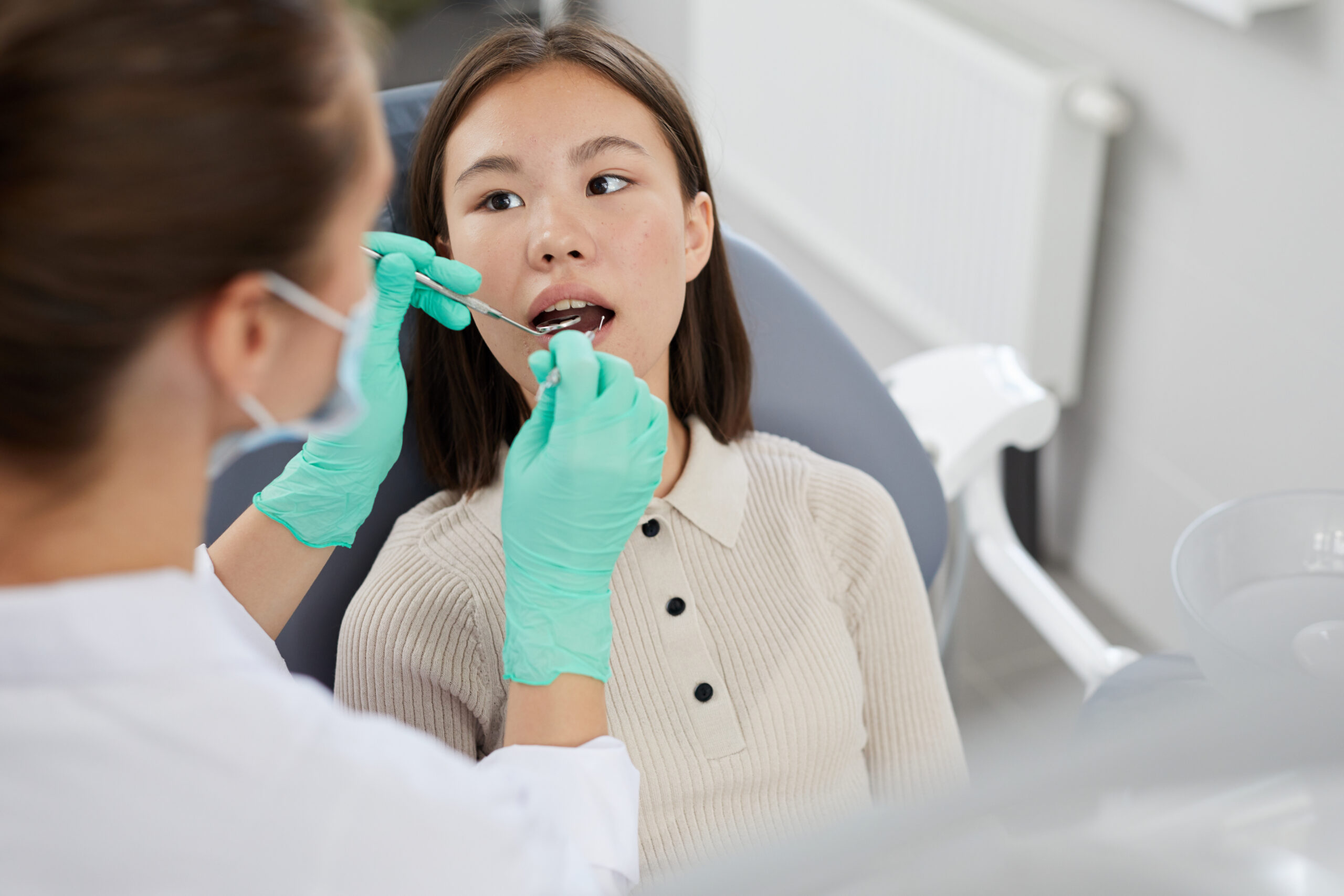
Removing Barriers to Dental Care
We believe everyone deserves access to high-quality dental care, regardless of financial situation.

Comprehensive Dentistry Under One Roof
Orthodontics, implants, oral surgery, and preventative care all conveniently located in our clinics.
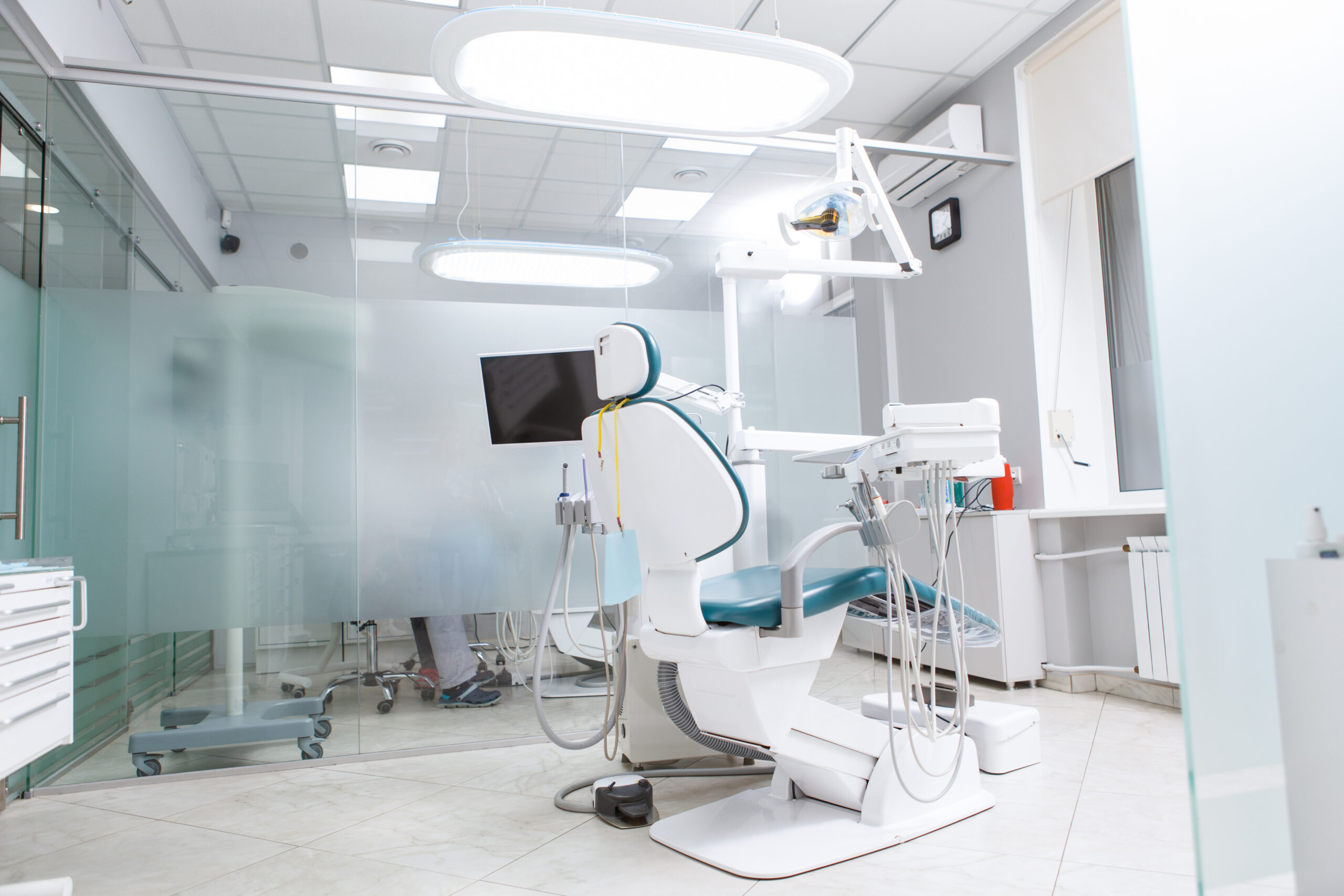
Expertise, Access & Convenient Locations
Multiple clinic locations across Los Angeles with extended hours to fit your busy schedule.
Understanding Retention Planning With Invisalign Dentists in Westchester
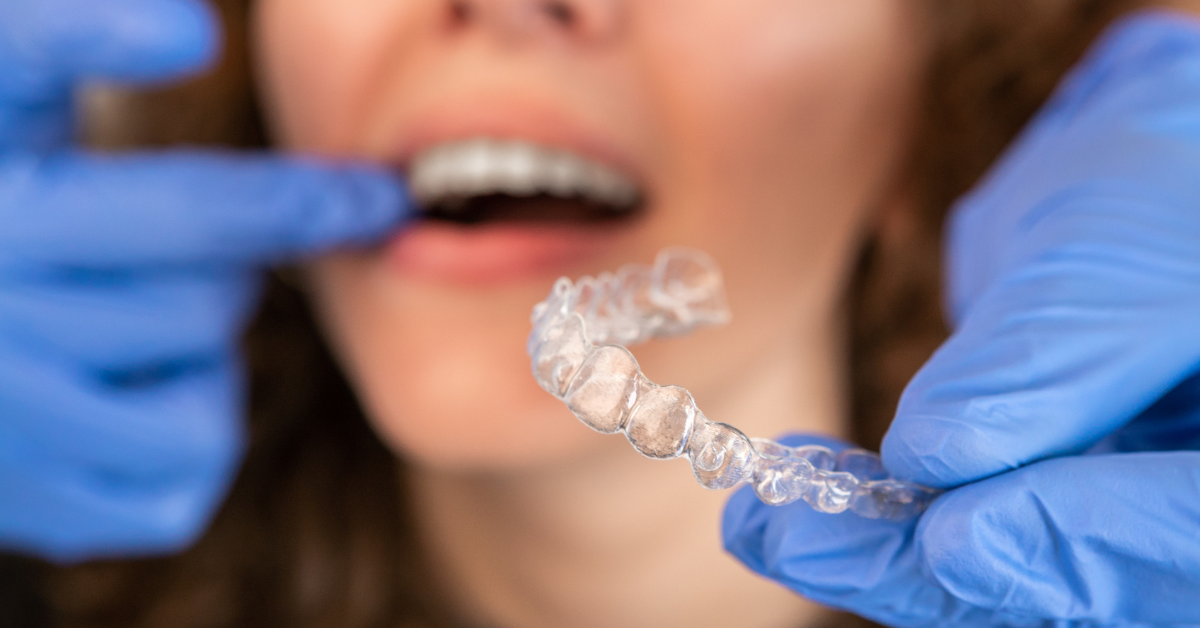
Invisalign retainers function as a long-term control system, not a one-time accessory you pick up after aligners. The retainer phase protects the final tooth positions while the bite settles and daily forces, like chewing and clenching, continue to apply pressure over time. Patients in Westchester often feel more confident when dentists explain retention as a planned stage with measurable goals, because it turns “keep wearing this” into a clear strategy. A well-managed retainer plan also accounts for real life, including travel, late nights, and busy weeks that can disrupt routines if expectations are not specific.
PhD Dental sets clear markers for what a good fit should feel like, which helps patients catch changes early instead of noticing movement months later. Our dentists also explain what to do if a retainer feels tight repeatedly or does not seat fully, so patients do not guess or wait. This kind of guidance keeps retention from feeling like a vague rule and makes it easier to stay consistent long term.
A strong plan begins by defining what stability means for your specific case. Dentists consider where teeth moved the most, which areas tend to relapse, and how your bite pattern loads the front teeth. This goal-based approach supports satisfaction because it creates a wear plan that matches risk instead of relying on generic instructions.
Wear Schedule Guidance That Matches Your Invisalign Treatment Finish
Retainer schedules often begin with more consistent wear and then shift as stability improves. Dentists set clear expectations for when you should wear retainers at night, when daytime wear still matters, and how to avoid sliding into inconsistent habits. Patients trust this approach because the plan includes a defined progression instead of leaving wear to guesswork.
Why Measurable Wear Expectations Reduce Long-Term Shifting Risk With Invisalign Patients
A schedule works best when patients can follow it without constant interpretation. Clear expectations make it easier to stay consistent, especially during travel, busy workweeks, or routine changes. That consistency supports better outcomes because teeth respond to repeated patterns, not occasional catch-up wear.
Retainer Fit Standards Invisalign Dentists in Westchester Use to Confirm Stability
A retainer should seat fully and evenly, without rocking, gaps, or pressure points that feel new. Dentists evaluate fit because small seating changes can signal early movement before patients see a visible shift. This focus improves trust because it shows the practice monitors stability with concrete indicators, not vague reassurance.
How “Feels Tight” Can Be an Early Warning Signal for Invisalign patients
Mild tightness can be normal after a missed night, but repeated tightness often signals ongoing movement. Dentists in Westchester encourage patients to report persistent changes in fit because early corrections are simpler than later re-treatment. This guidance supports confidence because it gives patients a clear decision framework.
One of the biggest advantages of Invisalign retainers is that they are designed to be updated when your mouth changes. Dentists can replace a worn retainer, adjust your plan if it stops fitting, and confirm that retention remains realistic over time. Patients value this because it keeps retention from becoming an all-or-nothing situation.
Replacement Timing and Wear Patterns That Affect Invisalign Retainer Performance
Retainers take daily wear stress, even when worn only at night. Over time, small changes in material can affect fit and retention strength. Dentists discuss replacement expectations so patients know what “normal wear” looks like and when it is time to update the retainer.
Why a Worn Retainer Can Increase Shifting Without Feeling Obvious
A retainer can feel comfortable while still losing its ability to hold teeth firmly. This is common because material wear tends to happen gradually. Patients benefit from knowing this because it prevents a slow drift that feels like it appeared “out of nowhere.”
How Dentists Handle When Invisalign Retainers Stop Fitting Correctly
When a retainer no longer seats fully, dentists focus on finding out why before the situation becomes bigger. The next step may include confirming whether movement is minor, identifying which teeth shifted, and determining whether a replacement retainer can recapture the position. Patients trust this process because it treats fit problems as solvable and time-sensitive, not as personal failure.
Invisalign Dentists in Westchester Respond to Early Fit Problems in These Ways
Dentists can often prevent larger relapse by addressing fit changes quickly. They may recommend short-term increased wear, a new retainer based on updated records, or a targeted correction plan when needed. This response supports satisfaction because it keeps the solution proportionate and avoids unnecessary escalation.
Retention works best when dentists check stability rather than assuming everything remains fixed for years. Follow-ups allow the practice to confirm fit, assess wear patterns, and adjust recommendations as your bite and habits evolve. Patients often appreciate this oversight because it turns retention into supported care rather than a self-managed burden.
Check-In Cadence That Matches Post-Treatment Invisalign Risk
Some patients need closer follow-up early, while others need periodic confirmations that everything remains stable. Dentists set a cadence based on how complex the correction was and how likely certain teeth are to shift. This improves confidence because the follow-up plan feels intentional and customized.
Why Periodic Retainer Checks Protect Long-Term Invisalign Results
Small shifts are easier to correct when they are caught early. A quick check can confirm that the retainer still holds properly and that no new pressure points are developing. Patients value this because it protects the time and cost invested in Invisalign without requiring constant appointments.
How Invisalign Retainers Help Prevent Teeth from Shifting Over Time
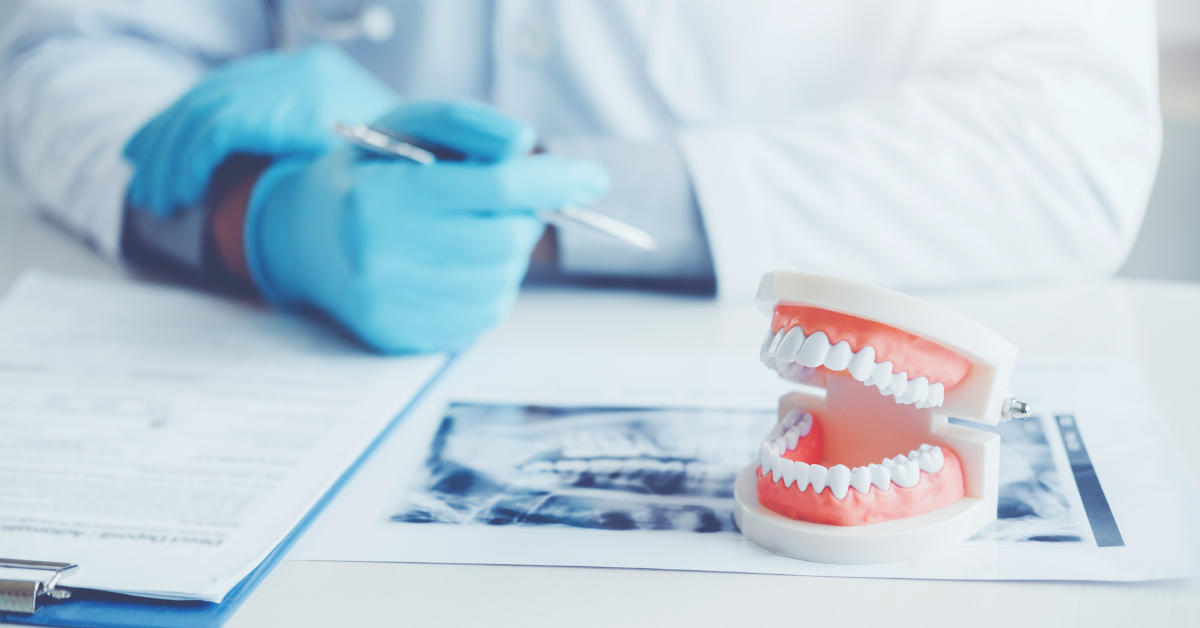
Teeth shift gradually because daily forces never stop, and the mouth keeps adapting as you chew, speak, and age. Invisalign retainers counter that drift by holding alignment in a controlled position during the hours when subtle movement tends to accumulate. Patients in Westchester often feel more secure when the plan explains how retainers maintain stability year after year, not just in the first months after treatment.
Night wear matters because it creates consistent, repeated control without disrupting daytime routines. Invisalign retainers maintain tooth position while the jaw relaxes and bite forces change during sleep, which is a common window for unnoticed movement. Patients tend to like this approach because it fits daily life while still protecting their results in a predictable way.
Why Consistent Invisalign Night Wear Works Better Than Occasional Catch-Up
A retainer holds best when it reinforces the same tooth positions repeatedly. Skipping nights and trying to compensate later often creates cycles of tightness that can lead to discomfort and inconsistent compliance. Patients benefit from a simple, steady routine because it reduces the temptation to negotiate the plan week to week.
How Invisalign Dentists in Westchester Explain “Tight Mornings” and What It Signals
A slightly snug feel can happen after a missed night, but repeated tightness suggests ongoing micro-movement. Dentists use that feedback as a practical indicator that the wear pattern needs adjustment. Patients trust this guidance because it turns a sensation into a clear next step instead of leaving it to guesswork.
Retainer Seating Habits That Improve Long-Term Stability
How you seat the retainer matters, especially if you rush insertion or only press it down in one area. Dentists coach patients on even seating so the retainer holds uniformly across the arch rather than leaving small gaps. This supports satisfaction because it prevents subtle drift that can develop from uneven retention.
Why Proper Seating Reduces the Risk of Selective Tooth Movement
A retainer that does not seat evenly can allow a few teeth to shift while others remain stable. That selective movement often creates the small spacing or rotation that patients notice later in photos. Consistent seating habits help the retainer perform like a true stabilizer rather than a partial hold.
Not all teeth relapse the same way. Front teeth, especially the lower incisors, often shift first because they are exposed to tongue pressure, crowding tendencies, and bite forces that concentrate in a small area. Invisalign retainers help by enclosing the teeth and keeping the arch form stable, which reduces gradual spacing changes and rotation.
Lower Front Teeth Stability and Why It Drives Retainer Value
Lower front teeth are common “first movers” because they sit in a narrow part of the arch. Even slight crowding can become noticeable quickly in close-up selfies and everyday conversation. Patients often appreciate when dentists explain this risk because it shows why retention matters even when the smile looks finished.
How Invisalign Retainers Maintain Arch Shape, Not Just Individual Teeth
A good retainer supports the overall arch form, which helps prevent crowding pressure from reshaping the lineup of teeth. This matters because relapse often looks like a gradual change in the curve, not a single tooth jumping out of place. Patients feel more confident when they understand the retainer is protecting the shape they invested in.
Bite Contact Protection That Reduces Pressure on Vulnerable Areas
Bite contacts can nudge teeth over time, especially when certain teeth take more load during chewing or clenching. Invisalign retainers reduce the chance of those small forces shifting teeth out of alignment while the mouth is at rest. This approach supports a more predictable long-term outcome because it limits the slow, repeated pressure that causes drift.
Why Retainers Help When Patients Clench Without Realizing It
Many people clench at night without noticing, which increases stress on specific teeth. A retainer can help buffer that effect by keeping teeth held in the intended position during those hours. Patients value this explanation because it connects retention to real habits, not perfect behavior.
Retainers work long term when patients treat them as an ongoing tool that needs periodic verification. Dentists can confirm that the retainer still holds properly, that the fit remains stable, and that wear patterns have not reduced retention strength. Patients often feel more satisfied when they know what to watch for and when to check in, because it keeps small issues from turning into visible shifting.
Monitoring Tooth Stability Through Fit Changes and Visual Cues
Dentists often ask about fit changes, morning tightness patterns, and whether the retainer feels fully seated. They may also compare current alignment to photos or prior records when small changes are suspected. This approach builds trust because it relies on observable cues rather than assuming stability is permanent.
When a Minor Shift Can Still Be Corrected Without Full Re-Treatment
Early movement often allows simpler solutions, such as increased wear or a replacement retainer designed to hold a corrected position. Waiting too long can allow drift to compound, which may require more extensive correction. Patients like this clarity because it shows that acting early preserves both time and results.
Choosing Invisalign Retainers over a Fixed Retainer
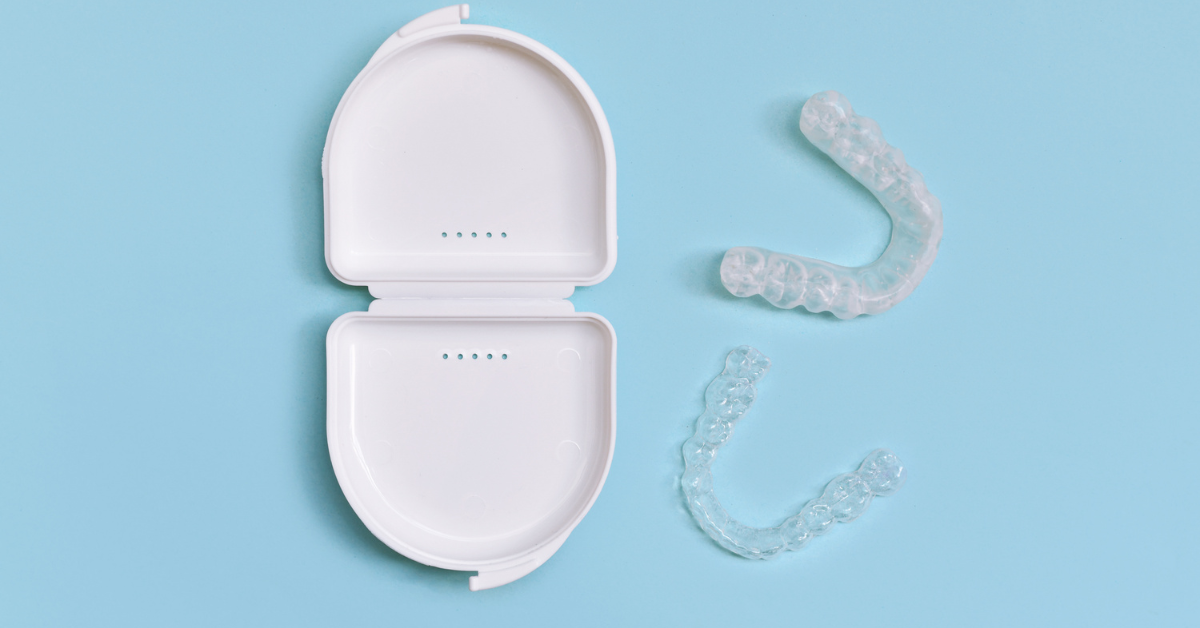
When patients compare retention options with our Invisalign dentists in Westchester, they often ask how removable retainers differ from fixed wires. Choosing between Invisalign retainers and a fixed retainer often comes down to how you want retention to function in daily life and how you want it managed long term. A fixed retainer can feel convenient because it stays in place, but it also creates a set-and-forget dynamic that does not always match how teeth behave over years. Invisalign retainers appeal to many Westchester patients because they offer a controlled, replaceable system that dentists can monitor and adjust when conditions change.
Invisalign retainers give patients an active way to protect alignment without relying on a bonded wire that can loosen or warp over time. Because the retainer can be removed, cleaned, and inspected, patients often notice changes earlier and address them sooner. That control supports satisfaction because it reduces the feeling that problems appear suddenly without warning.
Replaceable Retainers That Simplify Maintenance When Life Happens
Retainers can crack, get lost, or wear down gradually, especially for patients with travel-heavy schedules. Invisalign retainers allow a straightforward replacement pathway because dentists can order a new retainer when needed rather than repairing a permanent wire inside the mouth. Patients usually value this option because it keeps retention practical and avoids extended downtime.
Why Quick Replacement Can Prevent Small Shifts From Becoming Noticeable
When a retainer is missing for even a short period, teeth can begin moving in subtle ways. A replaceable system reduces the time between noticing a problem and restoring control. This improves long-term stability because the retainer returns to the routine before drift accumulates.
Visibility Into Retention Changes That Helps Patients Act Early
A removable retainer provides immediate feedback through fit, seating, and comfort. If a retainer begins to seat differently, patients often recognize the change and can contact the office quickly. This transparency builds trust because the system gives a clear signal rather than hiding issues behind a wire.
How “Fits Differently” Becomes a Useful Diagnostic Clue
A fit change can indicate a minor shift, wear in the retainer, or a seating habit that needs correction. Dentists can use that clue to determine whether the solution is increased wear, retainer replacement, or a targeted adjustment plan. Patients appreciate this because it turns a vague concern into an organized response.
Fixed retainers can create plaque traps and make cleaning the back of the front teeth harder for some patients. Invisalign retainers remove that barrier because patients can brush and floss normally, then place the retainer back on. This can support better gum health and reduce frustration for patients who want a retention plan that fits their hygiene routine.
Cleaning Access That Helps Protect Gum Health Behind the Front Teeth
The gumline behind the lower front teeth can become a trouble area when a wire blocks flossing technique. Invisalign retainers allow patients to clean thoroughly without improvising around bonded hardware. Patients often feel more confident with this approach because hygiene remains straightforward and consistent.
Why Cleanability Matters for Long-Term Comfort and Confidence
Gum inflammation can lead to tenderness, bleeding, and bad breath, which undermines satisfaction with orthodontic results. A retention plan that supports hygiene reduces the chance that patients trade straight teeth for ongoing gum frustration. This is a meaningful quality-of-life factor for many Westchester patients.
Reduced Risk of Hidden Buildup Around Bonded Retainer Attachments
Bonded retainers rely on adhesive points that can collect buildup if cleaning is inconsistent. Patients may not notice accumulation until the area feels irritated or looks inflamed. Invisalign retainers can lower that risk because the mouth remains easier to clean and inspect.
How Regular Home Inspection Helps Patients Catch Problems Sooner
With a removable retainer, patients can notice changes in gum health, plaque buildup, or irritation early. This early awareness supports faster course correction through improved hygiene or a dental visit when needed. Patients trust systems that make it easier to stay proactive.
Invisalign dentists choose retention methods based on risk, lifestyle, and the type of movement corrected. Some cases benefit from a fixed retainer, but many cases do well with a removable system when the patient can follow a clear wear plan. Patients often appreciate when the dentist explains the recommendation in case-specific terms rather than presenting one option as universally best.
Patient Lifestyle Factors That Influence Retainer Choice in Westchester
Patients with busy schedules often prefer a plan that is easy to maintain and easy to replace if something goes wrong. Invisalign retainers can fit that preference because they work with nighttime routines and do not create daily cleaning obstacles. This alignment with real life improves satisfaction because the plan feels sustainable.
Why Sustainable Habits Matter More Than the “Perfect” Retainer Choice
A retention method only works if the patient can stick with it consistently. A theoretically ideal option can fail if it creates friction that leads to inconsistent care. Dentists emphasize sustainability because long-term results depend on routines that patients will actually maintain.
Bite Patterns and Habit Risks That Dentists Consider Before Recommending Fixed Retainers
Some bite patterns or clenching habits may increase the chance that a fixed retainer wire breaks or detaches. Dentists consider these forces because repairs can be inconvenient and can interrupt retention. Patients benefit from this evaluation because it prevents them from committing to an option that requires frequent fixes.
How Invisalign Retainers Provide Flexibility When Conditions Change
As teeth settle and habits evolve, the best retention approach may shift. Invisalign retainers allow dentists to update the plan without removing bonded hardware or dealing with repeated wire repairs. Patients often value this flexibility because it keeps long-term care adaptable and less stressful.
Let Our Invisalign Dentists in Westchester Plan Your Invisalign Care
Choosing Invisalign dentists in Westchester should feel like choosing a team that manages outcomes, not just a treatment start date. PhD Dental plans Invisalign care around the details that determine how your smile looks and functions at the finish, including spacing priorities, bite contact balance, and the kind of follow-through that prevents small setbacks from dragging out timelines. You get a plan that stays organized from consultation through final refinement, with clear checkpoints that make progress easy to understand and easier to trust.
This approach matters because Invisalign success depends on what happens after the first trays, not just the decision to begin. PhD Dental helps you understand how wear habits, travel weeks, and busy schedules impact tracking, then builds a schedule that protects consistency without making treatment feel like a daily struggle. You also leave with a clear retention strategy tied to your case, so your alignment stays stable long after active movement ends. When planning stays this specific, Westchester patients can commit with more confidence because the process feels controlled, realistic, and built for long-term results.
Call (323) 269-5437 or contact us online to schedule an Invisalign consultation with PhD Dental and get a treatment and retainer plan designed for lasting alignment.
Get in Touch with PhD Dental
Pick your location
Los Angeles
Los Angeles is a diverse and fast-moving city where access to dependable dental care is essential for individuals and families alike. PhD Dental serves patients throughout Los Angeles with a commitment to personalized care and long-term oral health.
Hours
- Mon 10:30AM - 7:30PM
- Tue 10:30AM - 7:30PM
- Wed 10:30AM - 7:30PM
- Thu 10:30AM - 7:30PM
- Fri 9:30AM - 7:30PM
- Sat 9:00AM - 3:00PM
- Sun Closed