

Mini Dental Implants in Westchester
Patients looking for mini dental implants in Westchester often want a solution that improves stability while fitting narrower spaces or specific denture-support needs. PhD Dental evaluates mini implants as a case-fit option, focusing on where space is limited, where bone support is narrower, or where improving denture security is the main goal. This approach helps patients make a decision based on function and predictability, not marketing claims or generic implant promises.
California dental patients find mini implants appealing because they often streamline treatment. The best outcomes still depend on matching the implant to the right job. Our team at PhD Dental looks at bite forces, gum and bone conditions, and how the implant will support daily routines like chewing and speaking. We also discuss the long-term picture early, including what maintenance looks like, what wear patterns to watch for, and how to protect stability as the mouth changes over time. That clarity builds confidence because patients understand both the upside and the limits before committing.
Call (323) 269-5437 to schedule a consultation if you're considering mini dental implants in Westchester and want to know whether this option fits your situation.
Top-Rated Dentists
in Los Angeles

Patient-First Dentistry for Every Stage of Life
From early childhood development to adult care, we focus on patient comfort and comprehensive treatment.
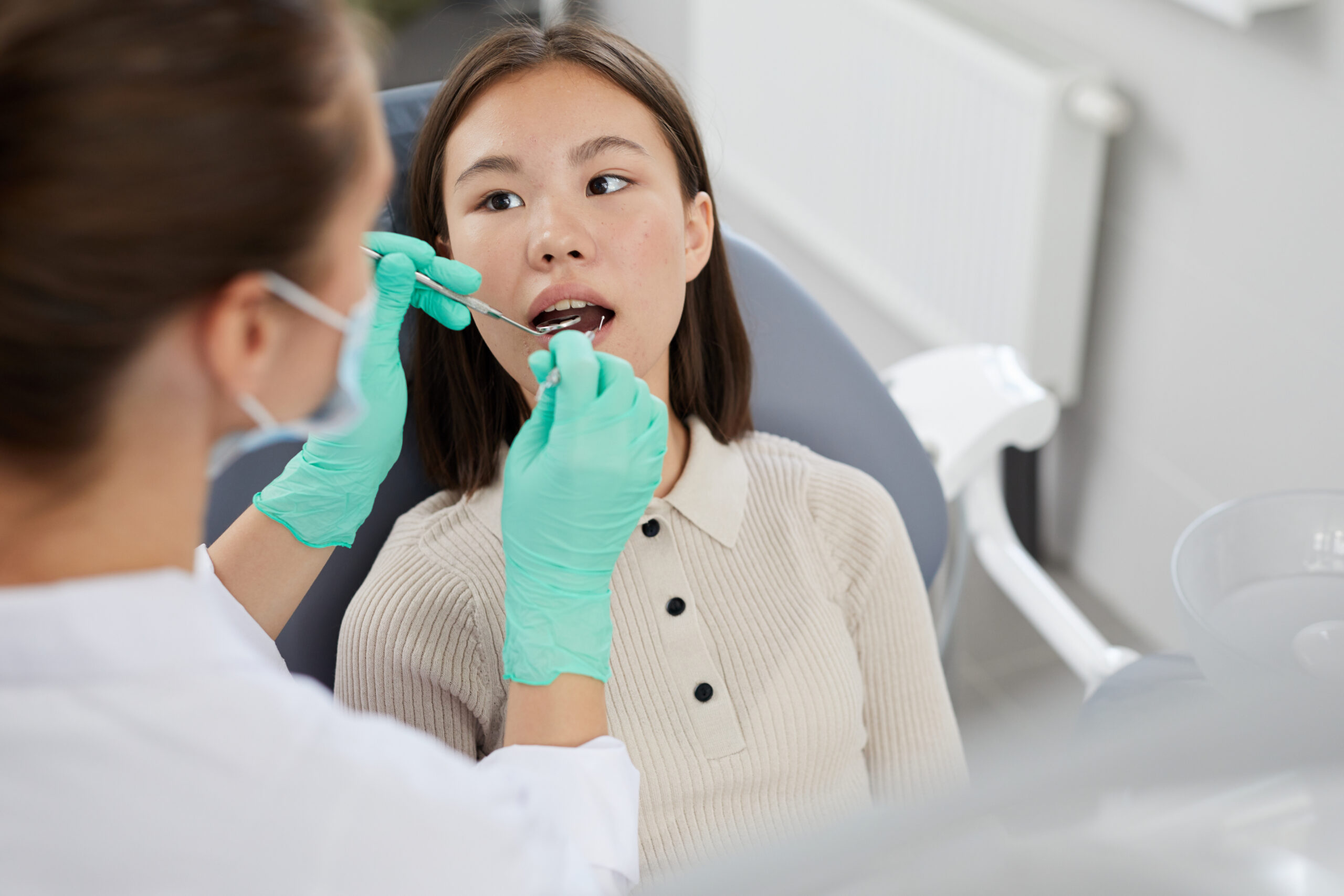
Removing Barriers to Dental Care
We believe everyone deserves access to high-quality dental care, regardless of financial situation.

Comprehensive Dentistry Under One Roof
Orthodontics, implants, oral surgery, and preventative care all conveniently located in our clinics.
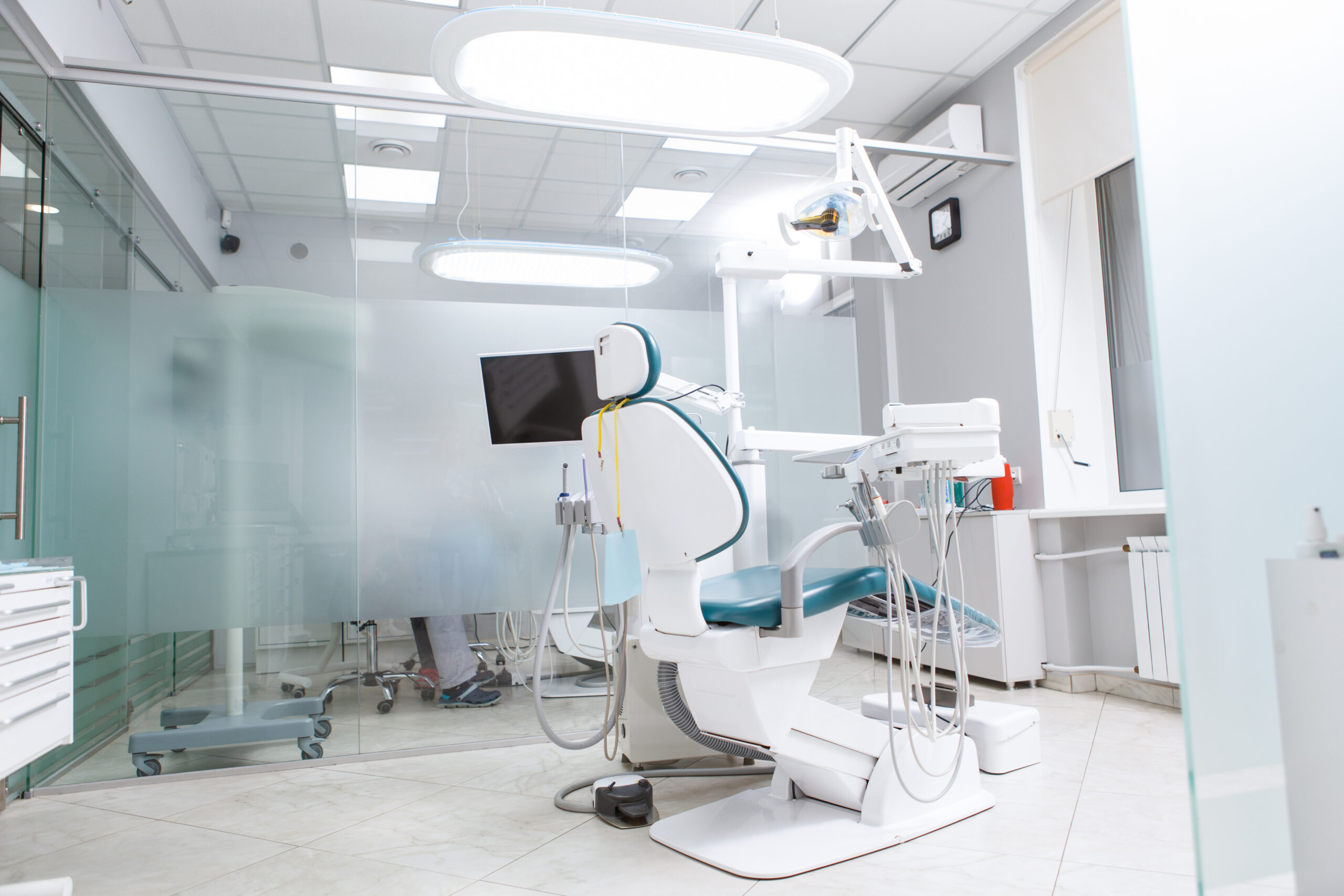
Expertise, Access & Convenient Locations
Multiple clinic locations across Los Angeles with extended hours to fit your busy schedule.
How Dentists Prepare Patients for Mini Dental Implants in Westchester

Preparation for mini dental implants focuses on precision and case selection, because a smaller implant design still has to handle real bite forces and daily function. Dentists plan around where the implant will sit, what it will support, and how the surrounding tissue will respond once the implant is loaded. At PhD Dental, our patients tend to feel more confident when preparation feels specific to mini implants, since the best results come from matching the implant size to the job rather than forcing a one-size-fits-all approach.
A mini implant plan starts by defining the problem the implant is meant to solve. Dentists confirm whether the goal is stabilizing a denture, supporting a small-tooth replacement area, or improving function where space is limited. This clarity supports satisfaction because patients understand the purpose of the implant before discussing timelines or procedure steps.
How Dentists Review Bite Force to Predict Mini Implant Performance
Mini implants are more sensitive to heavy bite forces, especially in areas that take strong chewing load. Dentists evaluate how your teeth come together, whether you clench or grind, and whether the implant would be placed in a high-stress zone. Patients benefit from this review because it helps avoid choosing an implant type that cannot comfortably handle long-term pressure.
Why Load Management Matters More for Mini Dental Implants
A faster procedure does not help if the implant faces overload and loosening later. Dentists focus on long-term force control because it protects comfort and stability after healing. This approach builds trust because it prioritizes performance over quick claims.
Bone and Space Assessment Specific to Mini Dental Implant Placement
Mini implants are often considered when the available space is narrow or the bone ridge is limited. Dentists evaluate the thickness of the ridge, the planned implant path, and clearance from nearby roots and anatomy. Patients often appreciate this step because it explains why mini- mplants can fit certain spaces, but also why not every narrow area is automatically a good candidate.
How Westchester Dentists Decide Whether a Narrow Ridge Still Needs Additional Support
Some ridges look narrow but have weak density or an unfavorable shape that affects stability. Dentists consider whether the implant can achieve secure engagement or whether another plan would protect a more reliable outcome. This guidance supports confidence because it prevents patients from choosing an option that looks simple but performs poorly.
Healthy gums and stable surrounding tissue help mini implants integrate and stay comfortable once they are placed. Dentists address inflammation, irritation, and hygiene barriers early so the implant site begins the process in a calm state. Patients tend to feel more prepared when this step is explained as a foundation for predictable healing, not as a delay.
Gum Health Check That Reduces Irritation After Mini Dental Implants
Inflamed gums can bleed easily and respond poorly to pressure during healing. Dentists evaluate gum condition near the implant site and recommend steps to reduce swelling or plaque buildup before placement. Patients value this because it lowers the chance that discomfort becomes prolonged or unpredictable after the procedure.
Why Treating Inflammation Early Can Make Dental Implant Recovery Easier
Calmer tissue usually heals more consistently and feels less tender during the first days. Reducing irritation also helps patients keep the area clean without pain-driven avoidance. This practical focus improves satisfaction because it supports a smoother home routine.
Hygiene Coaching for Patients Receiving Mini Dental Implants in Westchester
Mini implants require clean, consistent habits to protect gum health around the implant. Dentists give patients guidance that matches how they actually brush and floss, including any tools that make care easier around the implant area. Patients often trust practices more when instructions feel realistic rather than idealized.
How Simple, Repeatable Habits Protect Implant Stability
Routine plaque control reduces gum inflammation that can undermine comfort and long-term performance. Dentists focus on repeatable steps because consistency matters more than perfection. This keeps maintenance manageable and supports long-term confidence.
Patients often worry about how the day will feel, how long it will take, and what to expect immediately afterward. Dentists prepare patients by clarifying comfort options, pacing, and what happens during the placement appointment. This reduces stress because patients know the plan before they sit in the chair.
Comfort Planning and Numbing Expectations for Implant Placement
Dentists explain what the numbing process will feel like, what pressure sensations are normal, and how the team responds if discomfort breaks through. Clear expectations help patients stay calm and engaged. Patients often feel safer when comfort is described as an active part of the plan.
Why Clear Comfort Standards Build Dental Patient Trust in Southern California
Patients trust dentists who explain what they will do if something feels off during the procedure. That transparency reduces anxiety and makes the appointment feel controlled. It also signals professionalism because the dentist sets a standard for the experience.
Home Recovery Setup That Helps Dental Patients Feel Ready After the Appointment
A good preparation plan includes guidance on meals, soreness expectations, and how to protect the area during the first days. Dentists also explain which sensations are normal and which ones deserve a check-in. Patients appreciate this because it replaces uncertainty with a clear recovery plan they can follow.
How Early Planning Prevents Last-Minute Stress and Second-Guessing for Mini Implant Patients
Patients recover more smoothly when they have the right foods, schedule flexibility, and clear instructions before the procedure. Planning also reduces the chance of avoidable irritation from poor eating choices or missed care steps. This kind of preparation supports satisfaction because the experience feels managed from start to finish.
Mini Dental Implants vs Traditional Dental Implants

Patients comparing traditional implants and mini dental implants in Westchester should understand how each option handles bite force and long-term stability. The key difference between mini dental implants and traditional and full-mouth implants is not simply size, it is how each option distributes force and what each one can reliably support over time. Mini implants can be a strong fit for specific needs, especially when space is limited or when added stability is the main objective, while traditional implants often serve as the higher-capacity option for heavier function demands.
Support capacity refers to how much load an implant can manage and how well it resists stress over years of chewing. Traditional implants typically provide a wider foundation, which can be beneficial for cases that demand stronger load distribution. Mini implants can still perform well, but they are best chosen when the expected load and the restoration design match their smaller footprint.
Bite Force Tolerance and Load Distribution in Different Implants
Implants face repeated pressure with every meal, and different areas of the mouth experience different force levels. Dentists consider whether the implant will sit in a high-load zone and whether the bite pattern concentrates stress on a narrow area. Patients benefit from this evaluation because it turns the decision into a function-first choice rather than a size-based label.
Why Stronger Load Zones Often Favor Traditional Dental Implants
Back teeth typically handle heavier chewing force, and those forces can challenge smaller implant designs if the restoration carries too much load. Traditional implants may provide more stability in those zones because the wider design helps distribute pressure more broadly. Patients often appreciate this explanation because it sets expectations and reduces the chance of choosing an option that feels convenient but performs poorly.
Restoration Type Compatibility for Mini Implants and Traditional Implants
The restoration attached to the implant influences whether the implant choice makes sense. Some restorations require higher capacity and greater stability, while others work well with a smaller implant when the goal is stabilization or support in a narrow space. Patients feel more confident when dentists explain that the implant choice should match the restoration, not the other way around.
How Dentists Align Implant Type With Daily Function Goals
A patient who wants stable chewing on a specific side may need a different solution than a patient who primarily wants a denture to stop moving. Dentists compare options based on what “success” looks like in daily life, including comfort, food choices, and speech stability. This approach supports trust because it grounds the recommendation in real outcomes instead of technical jargon.
Mini dental implants are often discussed when the ridge is narrow or the available space between teeth is limited. Traditional implants may require more room to place safely and may require additional planning if bone width is insufficient. Dentists offering mini dental implants in Westchester evaluate whether the ridge width and bone density can support a narrow implant design safely.
Narrow Ridge Solutions and When Mini Dental Implants Fit Best
A narrower implant can sometimes fit in areas where a wider implant would demand more space than the ridge provides. This can make mini implants attractive for certain stabilization needs, especially when the case does not require maximum load capacity. Patients appreciate this clarity because it explains why mini implants can be a practical fit without overselling them as a universal substitute.
What “Less Bone Required” Can Mean in Real Treatment Planning
Less bone required does not mean bone condition stops mattering. Dentists still evaluate density, shape, and stability potential, because even a smaller implant must anchor securely. Patients trust this explanation because it sets honest expectations and reduces the risk of choosing mini implants based on a misleading shortcut.
When Traditional Implants Offer More Predictability Despite Added Planning
Some cases benefit from the stronger foundation of a traditional implant, even if the plan includes additional steps to build support. Dentists may recommend that route when the long-term function demands a higher-capacity solution. Patients often feel reassured when the dentist explains that added planning is meant to protect the result, not complicate the process.
Why Long-Term Confidence Sometimes Outweighs Short-Term Simplicity
A simpler path can feel appealing, but long-term satisfaction usually comes from stability that holds up under daily use. Dentists help patients weigh the tradeoff between convenience and performance so the decision feels deliberate. This guidance supports trust because it prevents regret driven by choosing the fastest option.
Many patients compare mini dental implants and traditional implants because they want to understand what the process will feel like and how recovery might differ. In some cases, mini implants can involve fewer steps and a shorter surgical footprint, while traditional implants may involve broader preparation depending on the site. Patients tend to prefer comparisons that stay realistic, because recovery varies by placement site, tissue health, and what the implant is supporting.
Surgical Footprint and Post-Procedure Comfort Expectations
A smaller implant can sometimes reduce the amount of manipulation needed at the site. That can influence early soreness, swelling, and how quickly normal routines return. Patients value this discussion when it stays case-specific and avoids promising a universally easy recovery.
How Dentists Set Realistic Recovery Expectations for Each Option
Dentists explain what the first days typically feel like, what restrictions matter, and what factors might extend recovery. They also clarify that the restoration type and placement location often influence healing more than the implant label alone. This approach builds confidence because it prepares patients for their specific scenario.
Timeline Considerations That Depend on Healing and Restoration Needs
Timelines vary based on whether the implant is being loaded quickly, what type of restoration is planned, and how the bone responds during healing. Mini implants may sometimes support faster stabilization goals, especially for denture security, while traditional implants often follow a staged approach designed for long-term integration. Patients trust a dentist more when the timeline is presented as a plan based on biology and function rather than a sales promise.
Why Honest Timing Discussions Improve Patient Satisfaction
Patients feel less frustrated when the timeline is explained clearly before treatment begins. A transparent plan helps patients schedule work, travel, and follow-up visits without surprises. This supports satisfaction because it makes the process feel organized and predictable from the start.
Maintenance and Long-Term Expectations After Getting Mini Dental Implants in Westchester

Long-term success with mini dental implants depends on stability over time, not just how the implant feels right after placement. Patients considering mini dental implants in Westchester often want to understand how long the implants can remain stable and what maintenance protects long-term performance. Clear expectations matter because mini implants can perform well for the right case, but they still require consistent care and realistic load management.
Mini implant longevity is shaped by how well the implant integrates, how much stress it carries, and how stable the surrounding gum and bone remain. Dentists consider whether the implant supports a denture, a small replacement area, or another restoration, because each use creates different wear patterns. Patients benefit from this clarity because it connects “how long will it last” to real factors they can understand and control.
Bone Response and Integration Quality for Mini Dental Implants
A mini implant relies on secure anchoring, and that anchoring depends on bone health and healing response. Dentists monitor early stability and watch for signs that the implant is carrying force appropriately as healing progresses. Patients often feel reassured when the dentist describes longevity as a measurable outcome, not a vague promise.
How Early Stability Checks Help Protect the Long-Term Result
Early checks confirm whether the implant remains stable and whether gum tissue is healing without irritation. If a concern shows up early, the dentist can adjust the plan before it becomes a bigger issue. This proactive approach supports satisfaction because patients feel supported rather than left to wonder knowing whether everything is fine.
Bite Force Management That Helps Implants Stay Secure
Daily chewing and clenching load the implant repeatedly, and that load profile influences long-term performance. Dentists assess whether the implant sits in a high-stress area and whether the restoration design spreads force evenly. Patients appreciate this focus because it prevents the common frustration of an implant that feels fine initially but loosens under repeated stress.
Why Overload Is One of the Most Common Long-Term Risks
Overload can lead to discomfort, micro-movement, or gradual instability if force repeatedly concentrates on a narrow area. Dentists reduce this risk by designing the bite so the implant does not take more stress than it should. Patients trust a provider who explains this clearly, because it shows the plan prioritizes reliability over speed.
Mini dental implants require maintenance that protects both the implant site and the restoration they support. Patients usually do best when care feels simple, repeatable, and tied to clear warning signs. A good maintenance plan supports confidence because patients know what to do at home and what should prompt a quick check-in.
Home Hygiene Steps That Support Gum Health Around Mini Implants
Clean gum tissue around an implant reduces inflammation and supports long-term comfort. Dentists guide patients on brushing technique, cleaning access points, and any tools that make daily care easier around the implant area. Patients often feel more confident when the routine fits their actual schedule rather than requiring complicated steps.
How Consistent Cleaning Helps Prevent Irritation and Odor Issues
Plaque buildup can irritate gums around implants and create tenderness or bad breath, which can make patients feel frustrated even when the implant is stable. Regular cleaning keeps the tissue calmer and supports better comfort during eating and speaking. This is a quality-of-life factor that often drives satisfaction long term.
Professional Checkups That Help Dentists Monitor Implant Stability
Periodic dental visits allow dentists to evaluate gum health, check implant stability, and confirm that the restoration remains balanced. These checkups also identify early signs of wear before discomfort becomes disruptive. Patients trust a structured follow-up plan because it makes longevity feel managed rather than uncertain.
Why Maintenance Visits Are About Prevention, Not Just Problem-Fixing
A maintenance visit can catch small issues like minor tissue irritation or early bite imbalance. Addressing those issues early often avoids larger repairs later. Patients value this approach because it protects both comfort and long-term cost.
Long-term expectations should include how the implant may feel, how the restoration may wear, and what adjustments might be needed over time. Patients often feel better when dentists describe mini implants as durable tools that still require periodic refinement as the mouth changes. This honesty builds trust because it sets realistic expectations instead of promising a permanent, maintenance-free solution.
What to Expect if Mini Implants Support Dentures or Stabilization Devices
When mini implants stabilize a denture, the denture itself can still need relines, adjustments, or replacement over the years. Dentists explain this because implant stability and denture fit are related, but they are not the same thing. Patients appreciate this clarity because it prevents surprise frustration when the denture changes even though the implants remain stable.
Why Denture Fit Changes Over Time Even with Stable Implants
Gums and bone can change gradually, which can alter how a denture sits. A stable implant can improve security, but it cannot prevent all tissue changes. Understanding this helps patients feel prepared because it frames adjustments as normal maintenance rather than a sign that something failed.
Signs Patients Should Report Early to Protect Mini Dental Implant Longevity
Patients should feel empowered to report new soreness, changes in how a restoration sits, or swelling around the implant site. Early reporting allows dentists to identify whether the issue is hygiene-related, bite-related, or wear-related. This supports satisfaction because small problems are easier to solve when they are caught quickly.
How Fast Check-Ins Can Prevent Bigger Repairs
A short visit can confirm whether the implant remains stable and whether the tissue needs a simple intervention. Waiting too long can allow irritation to worsen or allow a small wear issue to disrupt function. Patients often trust practices that encourage early contact, because it shows the team prioritizes long-term success.
PhD Dental Can Help You Get Mini Dental Implants in Westchester
If you are searching for mini dental implants in Westchester, the decision should come down to whether the implant design fits the job you need it to do. PhD Dental uses a case-fit approach that focuses on stability, daily function, and what you want the implant to support, whether that means improving denture security or solving a narrow-space replacement need. This kind of planning helps patients move forward with confidence because the recommendation stays tied to predictable performance, not broad promises that do not match real bite forces.
A consult is also where you get clarity on the long-term picture that patients care about most. PhD Dental explains what maintenance looks like, what habits protect mini implant stability, and how the restoration choice affects comfort and wear over time. You can ask direct questions about longevity expectations in your specific situation, what follow-up support looks like, and how the plan adapts if your needs change later. When the conversation stays this specific, patients leave with a decision they can feel good about, even if the right next step is planning, not rushing.
Call (323) 269-5437 or reach out online to schedule your consultation for mini dental implants in Westchester with PhD Dental today.
Get in Touch with PhD Dental
Pick your location
Los Angeles
Los Angeles is a diverse and fast-moving city where access to dependable dental care is essential for individuals and families alike. PhD Dental serves patients throughout Los Angeles with a commitment to personalized care and long-term oral health.
Hours
- Mon 10:30AM - 7:30PM
- Tue 10:30AM - 7:30PM
- Wed 10:30AM - 7:30PM
- Thu 10:30AM - 7:30PM
- Fri 9:30AM - 7:30PM
- Sat 9:00AM - 3:00PM
- Sun Closed