

Wisdom Teeth Extractions in Westchester
If you’re looking into wisdom teeth extractions in Westchester, back-of-mouth pressure, swelling, or recurring irritation may be the reason you’re searching. PhD Dental uses a problem-focused evaluation to determine whether the wisdom teeth are creating crowding pressure, trapping bacteria under the gumline, or pushing in a way that increases infection risk. You should leave your appointment with a clear explanation of what is happening, what removal would prevent, and how the procedure will be planned around your comfort and recovery needs.
A well-planned wisdom tooth extraction often depends on timing and technique. Our Los Angeles-area team looks at tooth position, root shape, and proximity to nearby structures, so the approach stays controlled and predictable. We also set straightforward expectations about swelling, soreness, and recovery time. When the plan fits your anatomy and symptoms, wisdom tooth removal can resolve recurring issues and protect the health of the surrounding teeth and gums.
Call (323) 269-5437 to learn more about wisdom teeth extractions in Westchester with PhD Dental. Find out whether extraction is the most practical option for relief and prevention for your situation.
Top-Rated Dentists
in Los Angeles
Patient-First Dentistry for Every Stage of Life
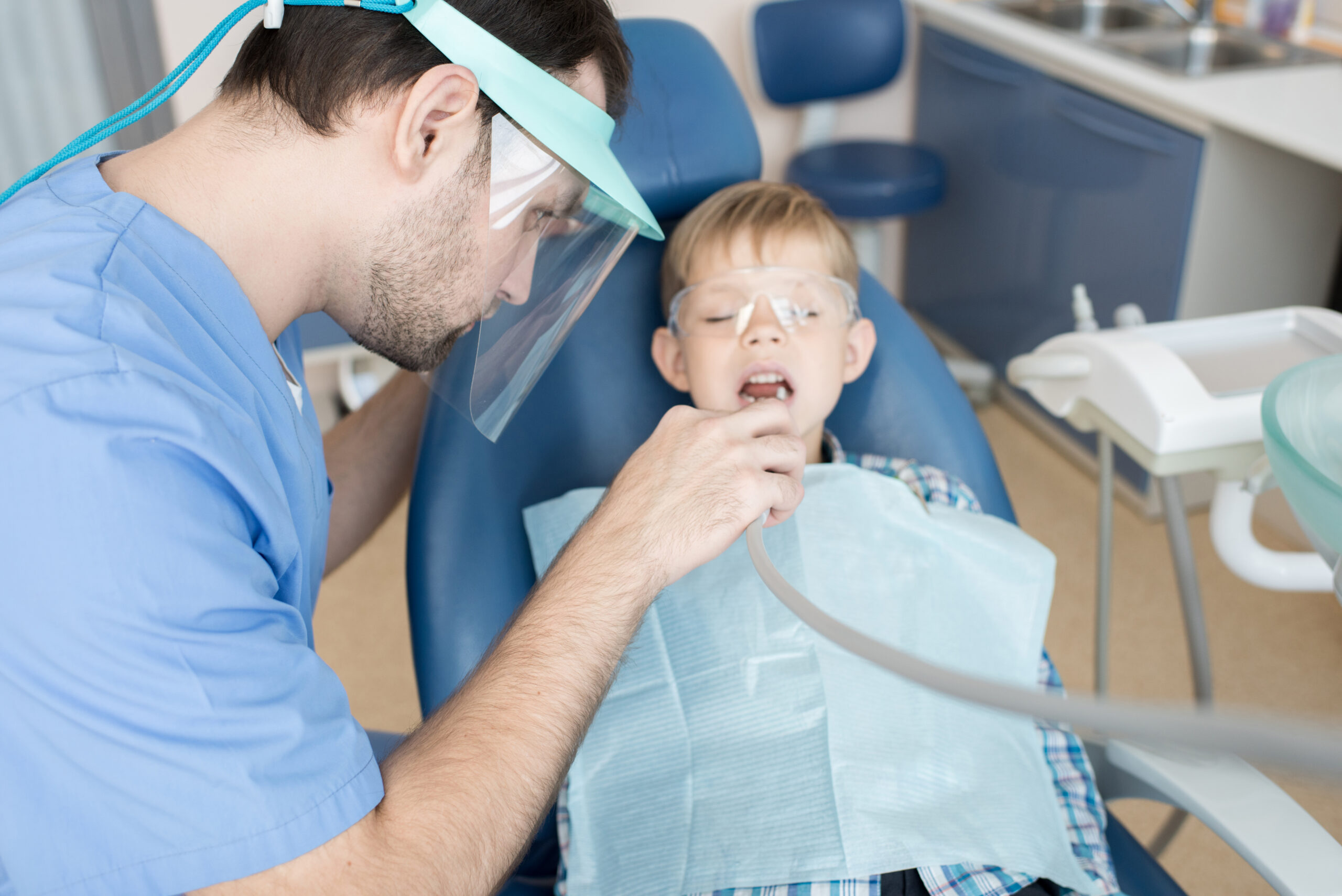
From early childhood development to adult care, we focus on patient comfort and comprehensive treatment.
Removing Barriers to Dental Care
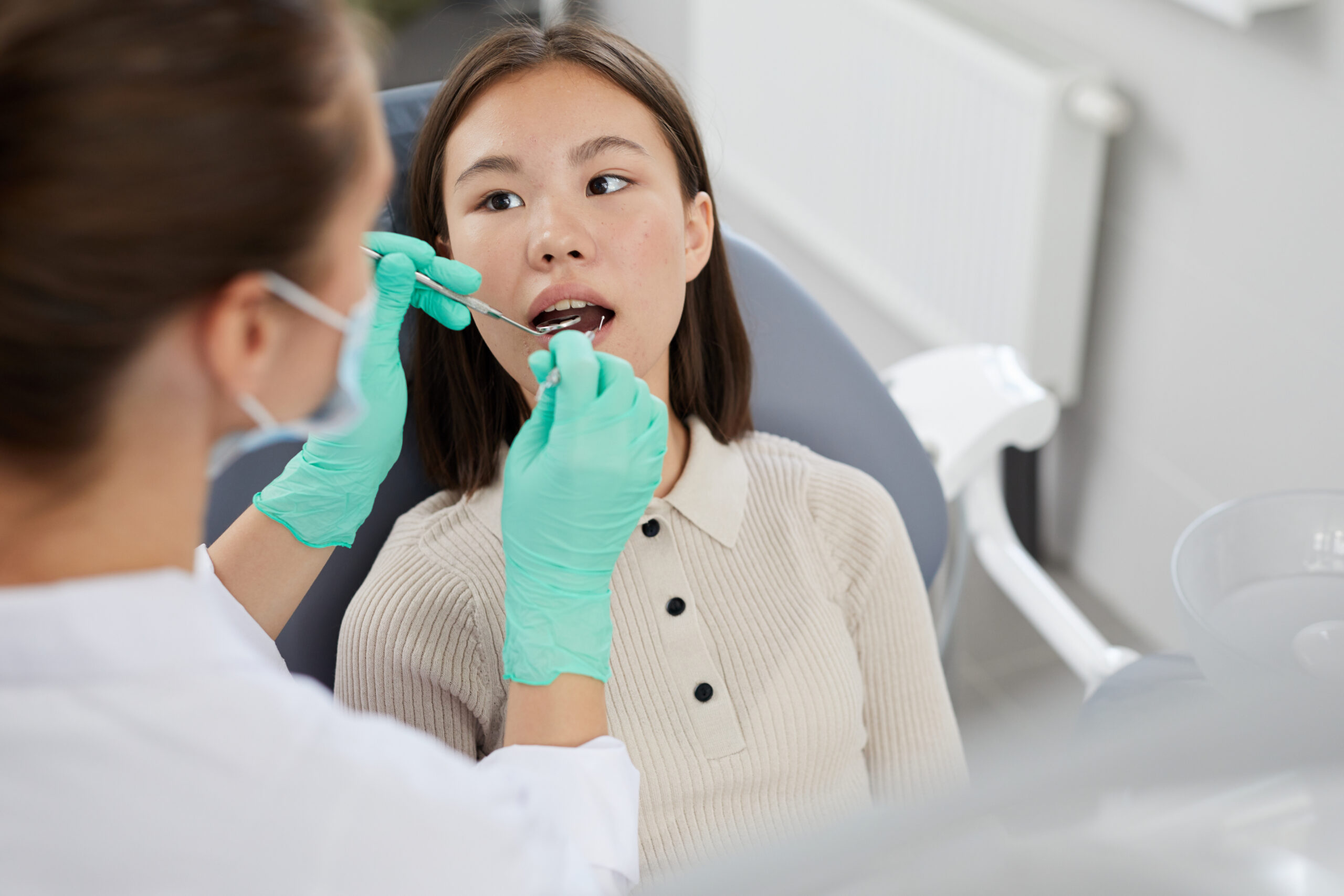
We believe everyone deserves access to high-quality dental care, regardless of financial situation.

Comprehensive Dentistry Under One Roof
Orthodontics, implants, oral surgery, and preventative care all conveniently located in our clinics.
Expertise, Access & Convenient Locations
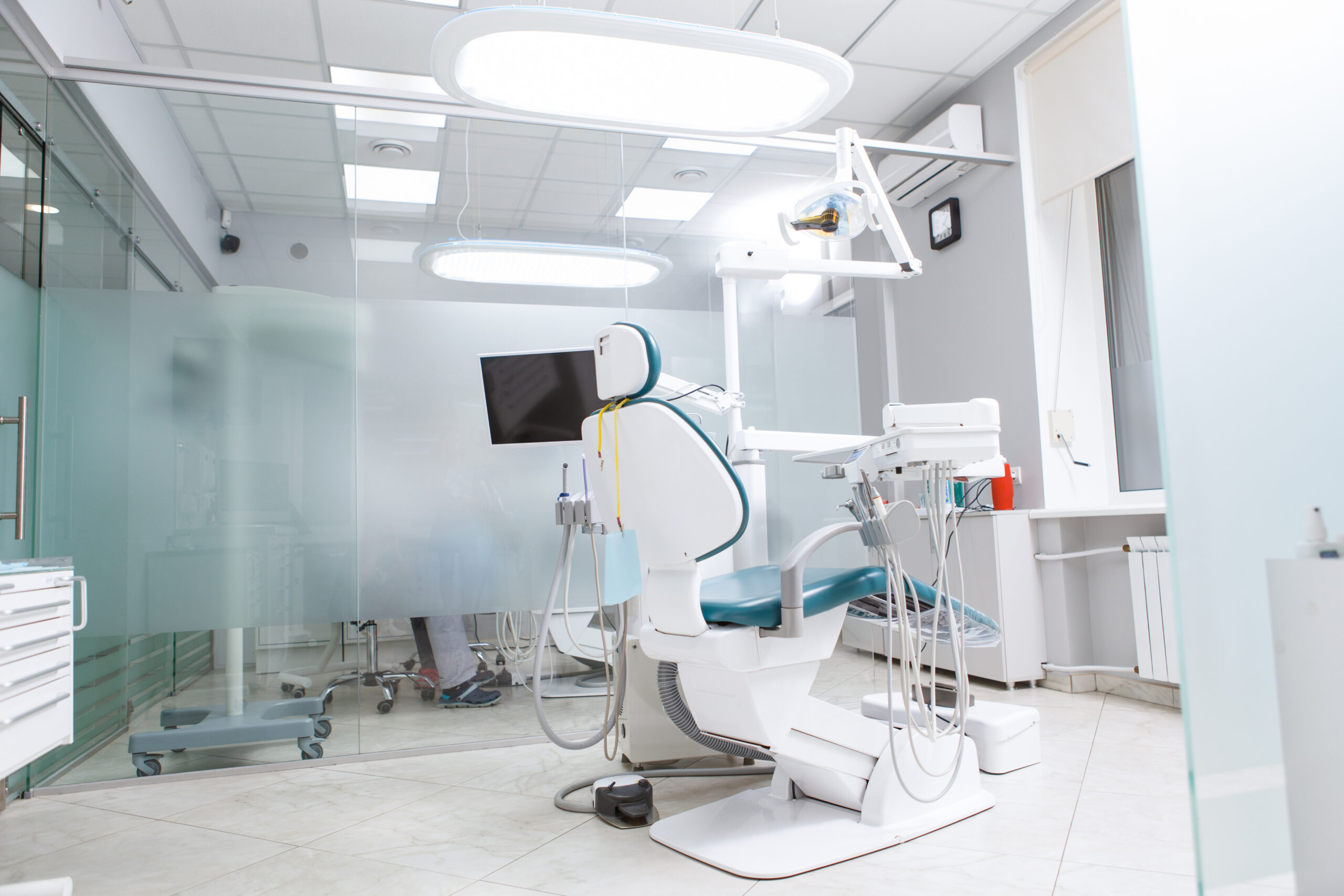
Multiple clinic locations across Los Angeles with extended hours to fit your busy schedule.
Table of Contents
- Why Dentists Recommend Early Wisdom Teeth Extractions in Westchester
- What to Expect Before, During, and After Wisdom Teeth Extractions in Westchester
- Choosing the Right Dentist for Wisdom Teeth Extractions in Westchester
- Learn More About Wisdom Teeth Extractions in Westchester in With PhD Dental Today
Why Dentists Recommend Early Wisdom Teeth Extractions in Westchester
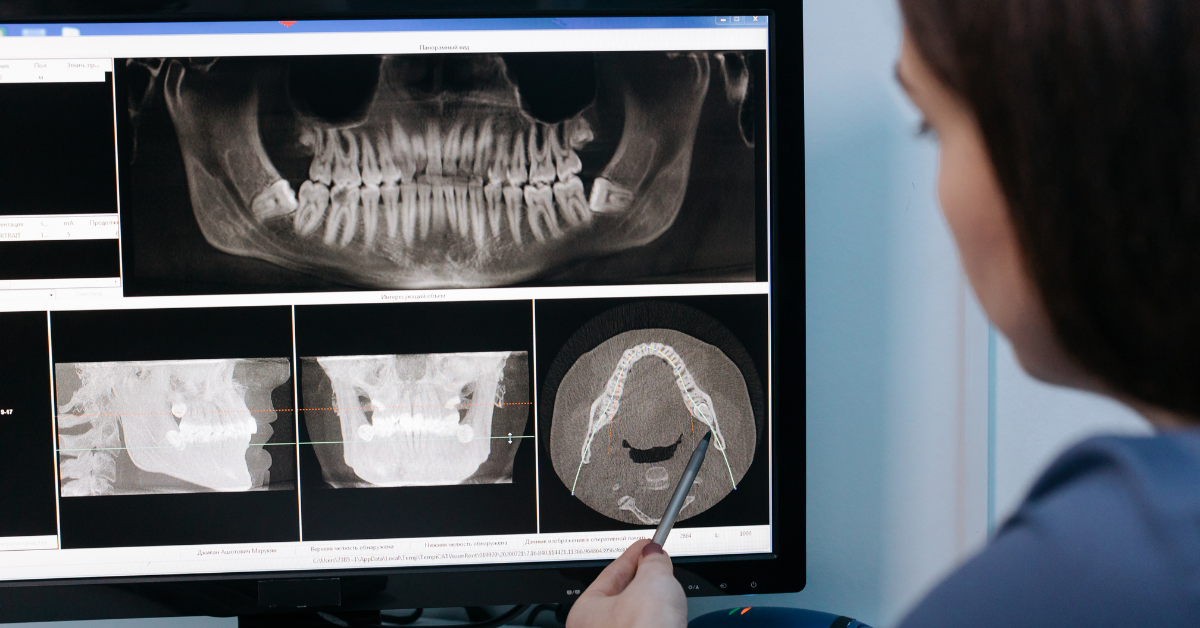
Early wisdom teeth removal often comes down to control. Dentists plan the procedure around clear access, low complication risk, and a recovery window that fits school or work schedules, instead of waiting for an infection or a painful flare-up to force matters. Patients tend to feel more confident when the recommendation includes specific reasons tied to risk prevention, not just a generic suggestion to remove wisdom teeth “before they cause problems.” With a planned approach, the dentist can review imaging, confirm tooth position, and map out the steps in a way that avoids surprises on procedure day.
That preparation also supports more predictable comfort planning, since numbing, sedation options, and aftercare can match your needs rather than a last-minute emergency visit. PhD Dental uses this type of structured decision-making to explain what early removal prevents, including avoidable complications that can develop when the area stays irritated over time. It also gives patients a chance to ask clear questions about recovery, diet, and timelines while they feel calm and informed. When the recommendation feels evidence-based and specific, patients usually feel more in control of both the decision and the experience.
Dentists recommend early removal when the tooth position or surrounding tissue makes future problems more likely than not. The goal is to prevent cycles of swelling, trapped bacteria, and damage to nearby teeth that can develop quietly before a patient feels severe pain. This approach supports satisfaction because it reduces surprise emergencies and allows patients to choose timing on their own terms.
Gum Flap Inflammation That Triggers Recurrent Wisdom Tooth Infections
Partially erupted wisdom teeth often leave a soft tissue flap that traps food and bacteria. That area can inflame repeatedly, creating tenderness, bad taste, or swelling that returns even after symptoms calm down. Patients often prefer early removal because it ends a predictable pattern rather than managing recurring flare-ups.
Why “Occasional” Swelling Often Becomes a Repeat Wisdom Tooth Problem
A mild episode can seem manageable at first, but the anatomy that caused it does not change on its own. Each flare-up can make the tissue more irritated and harder to keep clean, which raises the chance of another episode. Dentists emphasize this pattern because patients feel more satisfied when they address the root cause early.
Cavities and Enamel Damage Risk on the Second Molar
A wisdom tooth that presses against the tooth in front of it can create a tight contact area that is hard to brush and floss. Over time, this can lead to decay on the back of the second molar, which is a tooth patients usually want to protect at all costs. Early extraction can reduce that risk by removing the hard-to-clean pressure point before it causes permanent damage.
How Early Removal Helps Protect Teeth You Rely on for Chewing
The second molar does most of the work in the back of the mouth during chewing. When decay develops there, treatment can become more complex than the original wisdom tooth issue. Dentists bring up this tradeoff because it frames extraction as tooth preservation, not just removal.
Wisdom teeth can create pressure in the back of the jaw even when they do not fully erupt. Dentists watch for signs that the tooth lacks space, angles forward, or sits in a way that loads the back of the arch in an unhealthy direction. Patients often value early action because it reduces the chance of new discomfort and bite interference later.
When Wisdom Teeth Cause Limited Jaw Space and Other Future Problems
Some jaws do not have enough room for a wisdom tooth to erupt into a clean, maintainable position. Dentists can often identify this early by evaluating the tooth’s angle, the available space behind the second molar, and the path of eruption. A proactive plan helps patients avoid a situation where pain dictates the schedule.
Why Waiting for Pain Can Create a More Difficult Extraction
Dentists who perform wisdom teeth extractions in Westchester often see smoother recoveries when the area is calm instead of inflamed. When a wisdom tooth becomes painful, the cause often involves swelling, infection, or tissue irritation. Those factors can complicate comfort and healing because the area starts the procedure in an inflamed state. Early removal usually allows a more controlled experience and a smoother recovery.
Impacted Wisdom Teeth That Stay Quiet Until They Create Damage
Impacted teeth can sit below the gumline and still affect nearby structures. They may press against the second molar, contribute to gum pocketing, or create areas where bacteria collect without obvious symptoms at first. Patients appreciate clear guidance here because it explains why “no pain” does not always mean “no risk.”
How Dentists Monitor Impacted Wisdom Teeth for Early Warning Signs
Dentists track changes in position, gum health behind the molars, and early signs of decay or bone irritation near the impacted tooth. This monitoring helps patients make a decision based on evidence, not guesswork. That evidence-first approach builds trust because the recommendation stays tied to what the mouth is doing now.
Early removal can also align better with real life. Many patients prefer to plan around a predictable recovery period rather than dealing with a sudden infection before travel, exams, or busy work seasons. Dentists in Westchester often discuss timing because it gives patients control over both the procedure and the calendar.
Healing Factors That Can Make Early Extraction Easier to Tolerate
Many patients recover more smoothly when the procedure happens before repeated inflammation and infection changes the tissue. A calmer surgical area can reduce soreness and support a more predictable healing timeline. Patients often feel reassured when dentists explain that timing can influence comfort, not just convenience.
Why a Planned Recovery Window Supports Better Patient Experience
A planned recovery gives patients time to prepare meals, manage work responsibilities, and follow aftercare instructions without pressure. That structure reduces stress, which can make the overall experience feel more manageable. Dentists highlight this benefit because patient satisfaction often depends as much on predictability as it does on the procedure itself.
Coordinating Wisdom Teeth Extraction With School, Work, and Travel
Dentists can help patients choose timing that avoids major deadlines and reduces the risk of an unexpected emergency. This matters for people who cannot easily take time off or who travel frequently. Patients tend to trust practices that treat scheduling as part of the care plan, not as an afterthought.
How Proactive Wisdom Tooth Procedure Planning Helps Dental Patients Avoid Urgent Visits
When a wisdom tooth problem becomes urgent, patients may need same-day care, antibiotics, or last-minute time off. Early removal lowers the chance of that disruption and keeps the process straightforward. This approach supports trust because it focuses on prevention and patient control rather than reactive treatment.
What to Expect Before, During, and After Wisdom Teeth Extractions in Westchester

Patients planning wisdom teeth extractions in Westchester often feel better when the process is explained in clear, step-by-step terms. A clear extraction plan helps patients feel prepared because the experience has a beginning, a middle, and a recovery timeline you can actually plan around. Most concerns come down to comfort, how long the appointment lasts, and what the first few days will feel like at home. A trustworthy dentist sets expectations in practical terms so you know what will happen, what you may feel, and when you should check in.
Before scheduling removal, dentists confirm the details that affect difficulty and recovery. This includes reviewing imaging, identifying how the wisdom teeth sit relative to surrounding bone and nerves, and checking the health of the gums around the back molars. Patients usually feel more comfortable moving forward when the plan is explained as a tailored approach rather than a one-size-fits-all extraction.
Imaging Review That Guides a Safer Wisdom Teeth Extraction Plan
X-rays or scans help the dentist evaluate root shape, tooth angle, and proximity to nearby structures. This step also clarifies whether the tooth is fully erupted, partially erupted, or impacted below the gumline. Patients benefit because the dentist can explain why the extraction will be simple or surgical and what that means for recovery.
How Tooth Position Changes the Extraction Approach and Time in the Chair
A fully erupted tooth often allows a more straightforward removal than a tooth trapped under bone or gum tissue. Impacted or angled teeth may require added steps, which can influence appointment length and early soreness. Knowing this ahead of time reduces anxiety because the plan feels specific and predictable.
Medication and Health Review That Improves Comfort and Predictability
Dentists review medical history, current medications, and any conditions that affect healing. This also includes discussing pain control, antibiotic decisions when appropriate, and what to avoid before the procedure. Patients tend to trust the process more when the dentist explains how these details protect safety and improve recovery.
Why Clear Pre-Op Instructions Reduce Stress on Procedure Day
Simple guidance about eating, hydration, and medication timing prevents last-minute confusion. Patients who know what to do before arriving often feel calmer and more in control. This structure also supports a smoother appointment because the team can focus on care rather than troubleshooting preventable issues.
Patients often want the procedure described in a direct, non-dramatic way. The appointment typically follows a consistent sequence, numbing and comfort planning, careful removal, and final checks to confirm bleeding stays controlled. A well-run visit prioritizes gentle technique and clear communication so patients understand what is happening without feeling overwhelmed.
Comfort Options That Support a Calm Wisdom Teeth Removal Experience
Dentists use local anesthesia to numb the area and may discuss additional comfort options based on anxiety level and extraction complexity. The goal is for you to feel pressure without sharp pain, and for the team to respond quickly if anything feels uncomfortable. Patients usually feel more confident when the dentist explains what sensations are normal before the procedure begins.
How Dentists Describe Pressure Versus Pain During Tooth Removal
Pressure can feel like pushing or firm movement, while pain feels sharp or alarming. A clear explanation helps patients stay calm because they know what the body is likely to notice. It also builds trust because it shows the dentist expects to manage comfort actively, not dismiss concerns.
Surgical Versus Simple Wisdom Tooth Extraction Steps and What They Mean
Some wisdom teeth come out with straightforward removal, while others need a small incision or sectioning to remove safely. Dentists explain these steps in practical terms so patients understand why the procedure varies and how that affects swelling. This clarity helps patients feel prepared because they know what kind of extraction they are having, not just that a tooth is being removed.
Why Efficient Technique Often Supports Faster Healing
When a dentist uses controlled, efficient movements and avoids unnecessary trauma, tissue tends to calm sooner. That often leads to a smoother first week and less lingering soreness. Patients appreciate this connection because it shows that technique influences recovery, not just aftercare.
Most patients notice the first two to three days feel the most intense before steady improvement begins after wisdom teeth extractions in Westchester. Patients often want clear guidance on swelling, soreness, diet, and when they can return to work or school. A strong recovery plan focuses on what to do, what to avoid, and what signals a need for follow-up.
Day-One and Day-Three Recovery Milestones After Wisdom Tooth Removal
The first day usually involves numbness wearing off, mild bleeding control, and the start of swelling. Day two and day three often bring the peak of swelling and tightness, then gradual improvement. Patients feel more at ease when they know that early swelling is expected and that steady progress matters more than feeling perfect right away.
How to Tell the Difference Between Normal Healing and a Problem
Normal healing generally improves day by day, even if discomfort fluctuates. A problem often shows up as worsening pain after initial improvement, foul taste that does not resolve, or swelling that increases sharply. Patients benefit from this guidance because it helps them act early without second-guessing.
Eating, Hydration, and Oral Care That Support a Smooth Recovery
Soft foods and steady hydration support healing because they reduce strain and keep the mouth from drying out. Dentists also explain when to resume gentle brushing and how to keep the area clean without disrupting healing tissue. Patients often feel more satisfied when aftercare feels simple and doable rather than overly restrictive.
Why Gentle Cleaning Protects the Extraction Site Without Slowing Healing
Keeping the mouth clean lowers irritation and reduces the risk of inflammation that can prolong soreness. Overly aggressive rinsing or brushing can disrupt early healing and increase bleeding. A balanced routine protects comfort while supporting steady progress.
Follow-Up Guidance That Helps Patients Feel Supported After Extraction
Patients often want to know whether they need a routine check and what signs should prompt an earlier call. A supportive practice gives clear follow-up options so patients do not feel left on their own once the appointment ends. This reassurance increases satisfaction because patients know help is available if a concern comes up during recovery.
What Patients Should Report Early for Faster Problem-Solving
Concerns like increasing pain, persistent bleeding, fever, or difficulty opening the mouth deserve a check-in. Prompt communication often allows simple solutions before problems become more disruptive. Patients trust dentists who treat follow-up as part of quality care rather than an inconvenience.
Choosing the Right Dentist for Wisdom Teeth Extractions in Westchester

Choosing a dentist for wisdom teeth removal is easier when you know what to look for beyond availability and price. Patients usually want three things, a plan that feels specific to their anatomy, an experience that stays calm and controlled, and a team that takes follow-up seriously if questions come up during healing. The right provider makes the decision feel evidence-based by explaining risks clearly, outlining options, and setting expectations that match real recovery.
A strong provider does not treat every extraction the same way. The dentist should explain the complexity level, what factors may change the approach, and how they will protect comfort during the procedure. Patients tend to trust dentists who can translate clinical details into practical choices without pressuring them into a single path.
Case Assessment Transparency That Builds Patient Confidence
A dentist should describe what they see in your imaging and why it matters for your specific extraction. Clear explanations can cover tooth angle, root development, bone coverage, and space limitations without overwhelming you with jargon. Patients often feel more satisfied when they can repeat the reasoning back to themselves, because it means the decision is grounded and understandable.
Questions Patients Can Ask to Confirm the Plan Is Personalized
A useful question is what makes your case simple versus surgical and what that changes about the visit. Patients can also ask how the dentist plans to manage comfort and what the most likely recovery challenges are for their specific tooth position. These questions help patients feel in control because they create a clear standard for what a thoughtful plan sounds like.
Comfort Planning Standards That Support a Calm Procedure
Comfort should be handled as part of the plan, not as an afterthought. A reliable dentist explains what you should feel, how discomfort will be addressed during the visit, and what choices exist if anxiety runs high. Patients trust providers who describe comfort as a priority and who check in throughout the appointment.
Why Clear Comfort Communication Improves Overall Satisfaction
When patients know what sensations are normal, they worry less and stay more relaxed. Relaxation matters because it makes the appointment smoother and helps patients follow aftercare instructions more confidently afterward. Strong communication also signals professionalism because it shows the dentist expects to manage the experience, not just complete the extraction.
Technique and planning influence recovery more than many patients realize.ett. The right dentist focuses on clean removal, tissue protection, and predictable closure so the area heals without unnecessary irritation. Patients in Westchester often feel more confident when the dentist explains how they minimize trauma and what steps reduce common setbacks.
Surgical Control That Helps Reduce Swelling and Post-Op Frustration
A controlled approach aims to limit unnecessary tissue manipulation and reduce the amount of time the area stays under stress. Dentists often plan steps that keep the extraction efficient while still protecting surrounding teeth and gums. Patients benefit because less trauma often translates into a smoother first week.
How Efficient Technique Supports a More Predictable Healing Timeline
Predictable healing depends on fewer surprises, less inflammation, and a stable clot at the extraction site. When technique stays controlled, the body can focus on repair instead of managing ongoing irritation. Patients tend to appreciate this because they can plan meals, work, and routines with more confidence.
Infection Prevention Practices That Keep Wisdom Tooth Extraction Sites Healing
Infection prevention involves more than prescribing medication. It includes clean technique, clear aftercare instructions, and guidance that makes home care realistic for a busy schedule. Patients often feel reassured when the dentist sets expectations for hygiene and explains what changes should prompt a call.
Why Aftercare Guidance Should Feel Practical, Not Overwhelming
Patients follow instructions better when they understand the purpose behind them. A dentist who gives step-by-step guidance in plain language reduces the chance of mistakes that lead to pain or delayed healing. This approach builds trust because it treats recovery as a supported process, not a handoff.
Patients often judge the quality of care by how supported they feel before and after the procedure. Scheduling clarity, response time to concerns, and willingness to recheck healing make a major difference in overall satisfaction. A Westchester dentist that handles follow-through well reduces anxiety because patients know they can reach someone who understands their case.
How Westchester-Area Dentists Handle Appointment Coordination for Wisdom Teeth
A well-run office offers clear appointment timing, realistic estimates, and guidance on planning around the first few recovery days. Patients in Westchester often appreciate when the practice treats scheduling as part of the care plan, especially for procedures that require downtime. This structure improves the experience because it reduces last-minute scrambling.
How Clear Next-Step Planning Builds Confidence Before Extraction Day
Patients feel calmer when they know what the timeline looks like and what they need to do to prepare. A clear plan can include when to eat, how to arrange transportation if needed, and what supplies help during recovery. This level of planning signals reliability because it anticipates common concerns rather than reacting to them.
Support After the Procedure That Helps Patients Avoid Guesswork
Patients value a practice that encourages questions during healing and makes it easy to get guidance quickly. Follow-up support helps patients confirm whether symptoms are normal and whether they need an adjustment or recheck. This reduces anxiety and improves satisfaction because patients do not feel they have to self-diagnose.
Signs a Practice Takes Post-Extraction Support Seriously
A strong practice provides clear contact instructions, explains which symptoms justify a call, and responds promptly when a patient reaches out. Patients often trust dentists more when they sense that the relationship continues after the procedure, not only during the appointment. That support helps recovery feel safer and more predictable.
Learn More About Wisdom Teeth Extractions in Westchester in With PhD Dental Today
If you live in or around Westchester and need an experienced dentist for your wisdom teeth extraction, the most helpful next step is an evaluation that clarifies whether your wisdom teeth are creating a current risk. PhD Dental uses this appointment to translate what you are feeling, such as pressure, tenderness near the back molars, or recurring gum irritation, into a clear plan that fits your timing. You will get straightforward guidance on whether removal is recommended soon, whether monitoring makes sense, and what factors could change that recommendation over the next several months.
During your initial consultation, we’ll cover the practical details that matter once you decide to move forward. PhD Dental discusses what your extraction would likely involve based on position and access, how recovery typically impacts eating and work routines, and what support you can expect if questions come up after the procedure. The goal is to make the decision feel calm and organized, especially for Westchester patients who want to avoid last-minute problems that interrupt school, work, or travel. When you leave with clear expectations and a defined timeline, it becomes easier to schedule removal with confidence or to set a check-in plan that prevents surprises.
Call (323) 269-5437 or reach out online to explore options for wisdom teeth extractions in Westchester with PhD Dental today.
Get in Touch with PhD Dental
Pick your location
Los Angeles
Los Angeles is a diverse and fast-moving city where access to dependable dental care is essential for individuals and families alike. PhD Dental serves patients throughout Los Angeles with a commitment to personalized care and long-term oral health.
Hours
- Mon 10:30AM - 7:30PM
- Tue 10:30AM - 7:30PM
- Wed 10:30AM - 7:30PM
- Thu 10:30AM - 7:30PM
- Fri 9:30AM - 7:30PM
- Sat 9:00AM - 3:00PM
- Sun Closed