
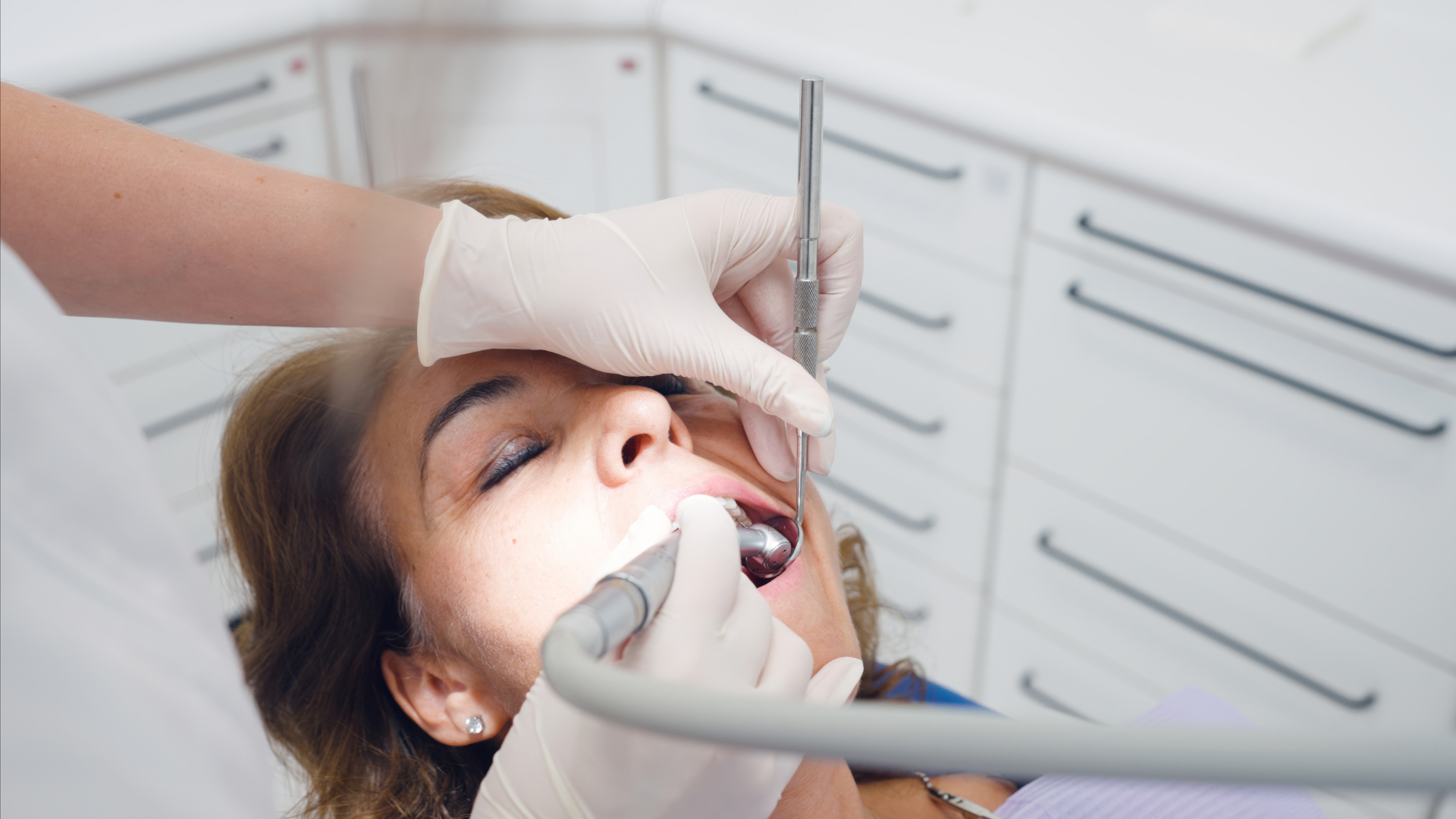
What Are My Options After a Traumatic Dental Injury in Los Angeles?
A traumatic dental injury can happen unexpectedly and may leave individuals dealing with pain, damaged teeth, bleeding, swelling, and uncertainty about what steps to take next. Whether the injury results from a vehicle accident, sports-related impact, workplace incident, slip and fall, or another unexpected event, obtaining prompt dental care often plays an important role in protecting both immediate and long-term oral health. Additionally, treatment options may vary depending on the severity of the injury, the condition of the affected teeth, and the extent of damage to surrounding oral structures such as the gums, jaw, and supporting bone. Understanding the available treatment options may help patients make informed decisions while improving the likelihood of preserving their smiles, restoring dental function, and minimizing the risk of future complications that could require more extensive treatment.
At PhD Dental, we understand how overwhelming a traumatic dental injury can feel when it affects your appearance, comfort, confidence, and ability to perform everyday activities normally. Dental trauma often creates concerns that extend beyond physical pain, especially when patients worry about long-term damage, treatment costs, or the impact an injury may have on their quality of life. Our team provides comprehensive evaluations and personalized treatment recommendations designed to address both immediate concerns and future oral health goals while helping patients feel supported throughout the recovery process. We work closely with every patient to restore damaged teeth, relieve discomfort, improve function, and develop treatment plans that support lasting results whenever possible. If you have experienced a dental injury and need professional guidance, call us at (323) 269-5437 today.
Finding Your Options in Los Angeles After a Traumatic Dental Injury Affects Your Life
At PhD Dental, we understand that a traumatic dental injury can affect much more than your teeth alone and may influence many aspects of your daily life. Many patients experience challenges involving eating, speaking, smiling, participating in social situations, and maintaining self-confidence following significant dental trauma. Additionally, untreated injuries may contribute to long-term oral health complications, including infection, tooth loss, bite problems, and structural damage that become more difficult and costly to address over time. We help patients understand their treatment options while developing customized care plans focused on restoring comfort, function, appearance, and overall oral health as efficiently and effectively as possible. Our goal is to help every patient regain confidence while protecting the long-term health of their smile.
We know that every dental injury presents unique circumstances requiring individualized attention, detailed evaluations, and careful treatment planning based on each patient’s specific needs. Our team thoroughly assesses the extent of the damage while considering both immediate concerns and future oral health goals when recommending treatment solutions. Furthermore, we work closely with patients throughout every stage of the recovery process to ensure they remain informed, supported, and confident about their care decisions moving forward. By combining advanced dental techniques, modern technology, and patient-focused care, we help individuals move forward after traumatic dental injuries with greater peace of mind, improved oral function, and stronger long-term outcomes for their dental health.
Common Types of Traumatic Dental Injuries in Los Angeles
Traumatic dental injuries can occur during vehicle accidents, sports activities, workplace incidents, falls, and other unexpected events that cause significant force to the mouth or facial area. These injuries range from minor cosmetic damage to severe trauma affecting the teeth, gums, jaw, and supporting bone structures. Additionally, different types of dental injuries often require different treatment approaches depending on the severity of the damage and the patient’s overall oral health condition. Understanding the most common forms of dental trauma may help individuals recognize the importance of seeking prompt evaluation and treatment following an accident.
Chipped and Broken Teeth
Chipped and broken teeth represent some of the most common dental injuries following accidents and traumatic impacts. While some fractures affect only the outer enamel layer, others may extend deeper into the tooth and expose sensitive internal structures. Furthermore, the severity of the damage often influences both symptoms and treatment recommendations. Prompt evaluation helps determine the most appropriate course of action.
Minor Chips May Still Require Professional Care
Even small chips may affect the appearance, strength, and long-term health of a tooth if left untreated. Sharp edges may also irritate surrounding soft tissues while increasing the risk of additional damage. Additionally, minor fractures sometimes hide deeper structural concerns that are not immediately visible. Professional examinations help identify underlying issues before they worsen.
Cosmetic and Functional Concerns May Develop
A chipped tooth may seem minor initially, but damage can affect bite alignment, chewing function, and overall smile appearance over time. Small defects may also become larger fractures if the tooth experiences additional stress afterward. Furthermore, untreated chips may create rough surfaces that affect comfort and oral function. Early treatment often helps preserve both aesthetics and functionality.
Severe Fractures Can Affect Tooth Stability
Larger fractures may compromise the structural integrity of a tooth and increase the likelihood of future complications. In some cases, fractures extend into the tooth’s pulp, creating pain and increasing the risk of infection. Additionally, severe breaks may require more extensive restorative or surgical treatment. Early intervention often improves treatment outcomes significantly.
Internal Damage May Not Be Immediately Visible
Some fractures appear minor on the surface while causing substantial damage beneath the enamel. Diagnostic imaging often helps identify cracks extending into deeper layers of the tooth structure. Furthermore, internal damage may progress if treatment is delayed. Comprehensive evaluations help determine the full extent of the injury.
Cracked Teeth Following Trauma
Cracked teeth occur when force creates fractures that extend through portions of the tooth structure without completely breaking the tooth apart. These injuries may result from direct impacts, sudden pressure, or significant facial trauma. Additionally, cracks may vary greatly in size and severity depending on the nature of the accident. Early detection often plays an important role in preserving the affected tooth.
Symptoms May Vary Significantly
Some patients experience immediate pain, while others notice symptoms only when chewing or biting down. Sensitivity to hot and cold temperatures may also develop following a cracked tooth injury. Furthermore, certain cracks produce intermittent discomfort that makes diagnosis more challenging. Professional evaluation often helps identify these injuries accurately.
Delayed Symptoms Can Occur
Not all cracked teeth produce immediate symptoms after an accident. In some cases, discomfort develops gradually as the crack expands or affects deeper structures within the tooth. Additionally, delayed symptoms may cause patients to underestimate the severity of the injury initially. Ongoing monitoring often becomes important following dental trauma.
Untreated Cracks May Worsen
Cracks frequently expand over time as normal chewing forces place stress on the damaged tooth. What begins as a manageable injury may eventually lead to more extensive fractures or tooth loss if left untreated. Furthermore, deeper cracks may expose the tooth’s inner structures to bacteria and infection. Prompt treatment often helps prevent these complications.
Preservation Efforts Depend on Early Intervention
The sooner a cracked tooth receives treatment, the greater the likelihood of preserving its natural structure. Early care may help prevent additional damage while supporting more conservative treatment options. Additionally, timely intervention often improves long-term outcomes for the affected tooth. Delaying treatment may limit available restorative options.
Knocked-Out Teeth Require Immediate Attention
A knocked-out tooth represents one of the most serious dental emergencies and requires immediate professional care. The success of treatment often depends on how quickly the tooth receives appropriate attention after the injury occurs. Additionally, preserving the tooth properly before treatment may improve the chances of successful reimplantation. Quick action frequently plays a critical role in treatment outcomes.
Time Is Extremely Important
The likelihood of saving a knocked-out tooth often decreases as time passes following the injury. Immediate dental care may increase the chances of preserving the natural tooth and avoiding more extensive treatment. Furthermore, delays may affect the tooth’s ability to reintegrate successfully into the surrounding bone and tissues. Rapid evaluation often becomes essential.
Proper Handling Can Protect the Tooth
Individuals should avoid touching the root of a knocked-out tooth whenever possible and handle it carefully by the crown. Keeping the tooth moist may help preserve important tissues while seeking emergency dental care. Additionally, proper handling may improve the likelihood of successful treatment. Quick action frequently makes a significant difference.
Additional Damage May Accompany Tooth Loss
A knocked-out tooth often occurs alongside injuries affecting surrounding gums, bone, or neighboring teeth. Comprehensive evaluations help identify these additional concerns and guide treatment planning appropriately. Furthermore, associated injuries may influence recovery and long-term oral health outcomes. Thorough assessments often support more effective treatment strategies.
Bone and Soft Tissue Injuries May Exist
Traumatic impacts strong enough to dislodge a tooth may also damage supporting bone structures and soft tissues. These injuries sometimes require additional treatment beyond addressing the tooth itself. Additionally, untreated supporting tissue injuries may affect future restorative options. Comprehensive care often addresses all aspects of the trauma.
Fractured Tooth Roots Can Create Hidden Problems
Root fractures occur below the visible portion of the tooth and often remain difficult to detect without professional examination and imaging. These injuries may result from significant impacts affecting the tooth and surrounding structures. Additionally, symptoms sometimes remain subtle despite serious internal damage. Early diagnosis frequently improves treatment planning.
Root Fractures May Not Be Visible
Unlike obvious crown fractures, root fractures often occur beneath the gumline where they cannot be seen during a basic visual inspection. Diagnostic imaging frequently becomes necessary to identify the location and severity of the fracture. Furthermore, symptoms may not accurately reflect the extent of the damage. Professional evaluations help reveal hidden concerns.
Specialized Imaging Supports Accurate Diagnosis
Dental X-rays and advanced imaging technologies help clinicians evaluate root injuries more effectively following traumatic accidents. These tools provide important information regarding fracture location and treatment options. Additionally, accurate diagnosis often supports better long-term outcomes. Imaging frequently plays a critical role in trauma assessments.
Treatment Depends on Fracture Severity
Some root fractures remain stable and respond well to conservative treatment approaches, while others may require more extensive intervention. The location of the fracture often influences available treatment options significantly. Furthermore, preserving the natural tooth may depend on the extent of the damage. Individualized treatment planning remains important.
Long-Term Monitoring May Be Necessary
Certain root fractures require ongoing observation to evaluate healing and detect potential complications. Follow-up appointments often help ensure the tooth remains stable and healthy over time. Additionally, monitoring may identify concerns before they develop into larger problems. Continued care frequently supports better outcomes.
Soft Tissue Injuries Affect More Than Teeth
Dental trauma frequently affects the gums, lips, cheeks, and other soft tissues surrounding the teeth. These injuries may range from minor cuts and bruises to more significant lacerations requiring professional treatment. Additionally, soft tissue damage may contribute to pain, swelling, and increased infection risks following an accident. Comprehensive evaluations often address both dental and soft tissue concerns.
Gum Injuries May Affect Tooth Stability
Trauma involving the gums may impact the structures supporting the teeth and contribute to future oral health complications. Significant gum injuries sometimes expose underlying tissues or affect healing following dental treatment. Furthermore, untreated soft tissue damage may increase the likelihood of infection. Prompt care often supports healthier recovery.
Bleeding and Swelling Require Evaluation
Persistent bleeding, swelling, or tissue damage may indicate more extensive injuries requiring professional assessment. These symptoms sometimes accompany fractures, tooth displacement, or other serious concerns. Additionally, evaluating soft tissue injuries helps create a more complete treatment plan. Thorough examinations often improve overall outcomes.
Facial Trauma Can Involve Multiple Structures
Accidents affecting the mouth frequently involve surrounding facial tissues, jaw structures, and oral anatomy beyond the teeth alone. Comprehensive evaluations help identify all injuries contributing to discomfort and functional limitations. Furthermore, addressing every aspect of the trauma often supports more successful recovery. Complete assessments frequently lead to better long-term results.
Coordinated Treatment May Improve Recovery
Patients with multiple injuries often benefit from treatment plans that address both dental and soft tissue concerns together. Coordinated care may improve healing while reducing the risk of future complications. Additionally, comprehensive treatment strategies often support better functional and cosmetic outcomes. Integrated care frequently enhances the overall recovery process.
Why Immediate Treatment Matters After a Dental Injury
Seeking prompt treatment after a dental injury may significantly influence both short-term recovery and long-term oral health outcomes. Many traumatic dental injuries worsen over time when patients delay care, even when symptoms initially appear minor. Additionally, early evaluation allows dental professionals to identify hidden damage, prevent complications, and develop appropriate treatment plans before conditions become more serious. Acting quickly often provides the best opportunity to preserve natural teeth and minimize future treatment needs.
Early Treatment May Help Preserve Natural Teeth
One of the primary goals following dental trauma is preserving as much natural tooth structure as possible. Prompt intervention often increases the likelihood that damaged teeth can be repaired rather than replaced. Furthermore, preserving natural teeth frequently supports better long-term oral health and functionality. Early care often creates more treatment options.
Timely Care Can Prevent Additional Damage
Damaged teeth often become more vulnerable to fractures, infection, and structural deterioration when treatment is delayed. Addressing injuries quickly may help stabilize affected teeth before further complications develop. Additionally, prompt treatment often reduces the need for more invasive procedures later. Early intervention frequently improves overall outcomes.
Smaller Problems Can Become Larger Ones
Minor chips, cracks, and loosened teeth may worsen significantly when left untreated following an accident. Everyday activities such as chewing and speaking can place additional stress on already damaged structures. Furthermore, delayed care may allow injuries to progress beyond their original severity. Prompt evaluations often help avoid these issues.
Infection Risks Increase Over Time
Many dental injuries expose internal tooth structures or create openings that allow bacteria to enter vulnerable areas. Without timely treatment, infections may develop and affect both oral and overall health. Additionally, untreated infections sometimes require more extensive treatment than the original injury itself. Early care often helps reduce these risks.
Exposed Pulp Can Lead to Serious Complications
When trauma damages the protective layers of a tooth, the pulp containing nerves and blood vessels may become exposed. This exposure increases the likelihood of bacterial contamination and painful infections. Furthermore, infections affecting the pulp may spread if not addressed appropriately. Prompt treatment often helps protect the tooth.
Hidden Infections May Develop Gradually
Not all infections create immediate symptoms following dental trauma. Some develop slowly over weeks or months while causing damage beneath the surface. Additionally, patients may not realize complications exist until significant problems arise. Regular follow-up evaluations often help detect these concerns early.
Faster Treatment Often Supports Better Recovery
The body’s healing processes often respond more effectively when injuries receive prompt attention and appropriate care. Early treatment may reduce inflammation, improve comfort, and support healthier tissue recovery. Furthermore, addressing injuries quickly often helps restore normal function more efficiently. Timely intervention frequently contributes to stronger outcomes.
Recovery Timelines May Improve
Patients who seek treatment soon after an injury may experience smoother recoveries and fewer complications throughout the healing process. Prompt care often allows clinicians to address issues before they become more difficult to manage. Additionally, efficient treatment may reduce the overall recovery period. Early intervention frequently benefits long-term oral health.
Comprehensive Care Supports Long-Term Success
Successful recovery often depends on more than simply treating visible injuries. Thorough evaluations and timely treatment help identify hidden damage that could affect future oral health. Furthermore, comprehensive care may reduce the likelihood of recurring problems and additional procedures. Early attention often supports lasting results.
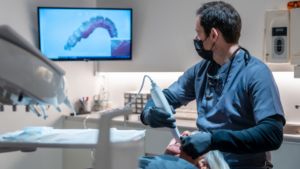
How Advanced Technology Supports Dental Trauma Treatment
Modern dental technology plays an important role in diagnosing, planning, and treating traumatic dental injuries with greater precision and efficiency than ever before. Following an accident, dental professionals often need detailed information about the condition of the teeth, supporting bone, gums, nerves, and surrounding oral structures before recommending treatment. Advanced technology allows clinicians to identify hidden damage, evaluate injury severity, and create highly customized treatment plans designed to support better outcomes. Additionally, modern tools and techniques often improve patient comfort while helping dental teams deliver more predictable and effective care throughout the recovery process.
As dental trauma cases vary significantly from one patient to another, technology also helps ensure treatment recommendations reflect the specific needs of each individual. From digital imaging and three-dimensional scans to advanced restorative materials and guided treatment planning systems, these innovations provide valuable information that supports more informed decision-making. Furthermore, technology often helps streamline treatment while improving communication between patients and dental professionals regarding available options and expected outcomes. The continued advancement of dental technology has transformed the way many traumatic dental injuries are diagnosed and treated.
Digital Imaging Helps Identify Hidden Injuries
Many dental injuries involve damage that cannot be seen during a routine visual examination alone. Advanced digital imaging technologies allow clinicians to evaluate internal structures and detect problems that may otherwise go unnoticed. Additionally, these imaging systems often provide greater accuracy while exposing patients to less radiation than traditional methods. Detailed imaging frequently serves as the foundation for effective dental trauma treatment planning.
Digital X-Rays Provide Immediate Diagnostic Information
Digital X-rays help clinicians evaluate tooth fractures, root injuries, bone damage, and other concerns following traumatic dental incidents. The ability to view images instantly allows dental professionals to make faster treatment decisions while identifying issues requiring immediate attention. Furthermore, digital systems often produce clearer images that improve diagnostic accuracy. Rapid access to diagnostic information frequently supports more efficient patient care.
Enhanced Image Quality Improves Evaluations
Modern digital imaging systems provide highly detailed images that help clinicians identify subtle fractures and structural abnormalities. This increased clarity often improves the ability to detect injuries affecting both visible and hidden portions of the teeth. Additionally, improved image quality supports more accurate diagnoses and treatment recommendations. Detailed evaluations often contribute to better long-term outcomes.
Digital Imaging Helps Monitor Healing Progress
Technology remains valuable even after treatment begins because imaging helps monitor recovery and evaluate how injured structures respond over time. Follow-up images may reveal healing progress, identify developing complications, and guide additional treatment decisions when necessary. Furthermore, ongoing monitoring helps ensure recovery remains on track. Consistent evaluation often supports successful treatment outcomes.
Early Detection of Complications Supports Better Results
Some complications develop gradually following dental trauma and may not create immediate symptoms. Periodic imaging allows clinicians to identify concerns before they become more serious or affect treatment success. Additionally, early intervention often helps preserve oral health and reduce future treatment needs. Monitoring technology plays an important role in long-term care.
Three-Dimensional Imaging Enhances Treatment Planning
Three-dimensional imaging technology provides comprehensive views of oral structures that traditional two-dimensional images cannot always capture fully. These advanced scans help clinicians evaluate complex injuries involving teeth, bone, and surrounding tissues with exceptional detail. Furthermore, three-dimensional imaging often improves treatment planning for more complicated trauma cases. Enhanced visualization supports more precise care.
Cone Beam CT Scans Offer Detailed Views
Cone Beam Computed Tomography, commonly known as CBCT imaging, produces detailed three-dimensional images of the teeth, jawbone, and facial structures. These scans help identify fractures, root damage, and bone injuries that may not appear clearly on standard X-rays. Additionally, CBCT technology often provides critical information for complex treatment planning. Comprehensive imaging frequently improves diagnostic confidence.
Complex Injuries Become Easier To Evaluate
Traumatic dental injuries sometimes involve multiple structures simultaneously, making diagnosis more challenging. Three-dimensional scans allow clinicians to examine injuries from multiple angles while identifying concerns affecting various parts of the oral anatomy. Furthermore, improved visualization often leads to more effective treatment recommendations. Detailed assessments support better patient outcomes.
Advanced Imaging Supports Surgical Planning
Some dental trauma cases require surgical procedures to address severe injuries involving teeth, bone, or surrounding tissues. Three-dimensional imaging helps clinicians plan these procedures with greater accuracy and confidence. Additionally, detailed scans may reduce uncertainty while improving procedural precision. Technology frequently enhances both safety and effectiveness during treatment.
Customized Treatment Plans Improve Precision
Every traumatic dental injury presents unique challenges that require individualized solutions. Advanced imaging helps clinicians tailor treatment recommendations to the specific anatomy and injury patterns affecting each patient. Furthermore, personalized planning often contributes to better functional and cosmetic outcomes. Precision frequently supports long-term treatment success.
Guided Treatment Planning Improves Clinical Decisions
Technology allows dental professionals to combine diagnostic information, digital records, and imaging data into comprehensive treatment planning systems. These tools help clinicians evaluate multiple treatment options while selecting approaches best suited to each patient’s needs. Additionally, guided planning often improves efficiency and consistency throughout the treatment process. Data-driven decisions frequently support stronger clinical outcomes.
Digital Models Help Visualize Treatment Options
Digital treatment planning software allows clinicians to create virtual representations of teeth and oral structures following traumatic injuries. These models help evaluate damage while illustrating potential treatment approaches for patients. Furthermore, visual planning tools often improve communication regarding procedures and expected results. Better understanding frequently enhances patient confidence.
Patients Can Better Understand Their Care
Dental trauma treatment may involve multiple procedures and recovery stages depending on the severity of the injury. Visual treatment planning tools help patients understand recommended care and the reasoning behind clinical decisions. Additionally, informed patients often feel more comfortable throughout the treatment process. Clear communication frequently improves the overall patient experience.
Technology Supports More Predictable Outcomes
Modern planning systems allow clinicians to evaluate treatment options with greater precision before procedures begin. This preparation often helps reduce uncertainty while improving procedural efficiency and effectiveness. Furthermore, technology-assisted planning may contribute to more predictable long-term results. Careful preparation frequently enhances treatment success.
Detailed Planning Reduces Treatment Surprises
Comprehensive digital evaluations help identify challenges before treatment begins, allowing clinicians to address potential concerns proactively. Anticipating complications often improves efficiency while reducing unexpected issues during procedures. Additionally, advanced planning supports smoother treatment experiences for patients. Preparation frequently contributes to better outcomes.
Modern Restorative Techniques Help Rebuild Damaged Smiles
Advancements in restorative dentistry have expanded the options available for repairing and replacing teeth affected by traumatic injuries. Modern materials and techniques allow clinicians to restore both function and appearance with highly natural-looking results. Additionally, contemporary restorations often provide greater durability and long-term performance than previous treatment options. Advanced restorative care plays an important role in comprehensive dental trauma treatment.
Improved Materials Enhance Restorative Outcomes
Today’s dental materials closely mimic the appearance, strength, and functionality of natural teeth. These materials allow clinicians to repair damaged teeth while maintaining aesthetic harmony throughout the smile. Furthermore, advanced restorative solutions often support long-term durability and patient satisfaction. Material innovations continue improving treatment possibilities.
Natural-Looking Results Support Confidence
Many patients worry about how dental trauma treatment will affect their appearance following an injury. Modern restorative materials help create results that blend naturally with surrounding teeth while preserving smile aesthetics. Additionally, natural-looking restorations often help patients regain confidence after traumatic events. Cosmetic considerations remain an important part of treatment planning.
Technology Supports Long-Term Smile Restoration
For patients experiencing significant dental trauma, comprehensive restorative treatment may involve multiple procedures designed to rebuild damaged oral structures. Technology helps coordinate these treatments while supporting greater accuracy throughout the restoration process. Furthermore, advanced systems often improve both function and aesthetics during recovery. Modern innovations continue expanding treatment possibilities for dental trauma patients.
Comprehensive Care Supports Lasting Results
Successful dental trauma treatment often involves addressing immediate injuries while also planning for long-term oral health and stability. Advanced technology helps clinicians develop comprehensive treatment strategies that support lasting outcomes. Additionally, integrated care approaches often improve both recovery and future oral function. Long-term planning frequently contributes to better overall results.
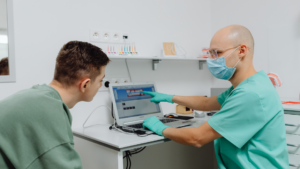
Contact an Experienced Dental Trauma Surgeon in Los Angeles Today
A serious dental injury can create lasting challenges when damage affects the teeth, gums, jaw, or surrounding oral structures. Seeking timely care from an experienced dental trauma surgeon may help improve treatment outcomes while reducing the risk of long-term complications that could impact your oral health and quality of life. Additionally, prompt evaluation often allows dental professionals to identify hidden injuries, develop effective treatment plans, and address concerns before they become more complex. Understanding your treatment options early can play an important role in preserving both the function and appearance of your smile following a traumatic injury.
At PhD Dental, we are committed to helping patients throughout Los Angeles receive the personalized care and advanced treatment solutions they need after experiencing dental trauma. Our team understands the physical discomfort, emotional stress, and uncertainty that often accompany serious dental injuries, and we work closely with patients to develop comprehensive treatment plans tailored to their unique circumstances. Furthermore, we prioritize patient education, comfort, and long-term oral health while providing compassionate support throughout every stage of recovery. To schedule a consultation with an experienced dental trauma surgeon, call us at (323) 269-5437 or reach out online today.