
When Is Gingivitis Treatment in Los Angeles Necessary?
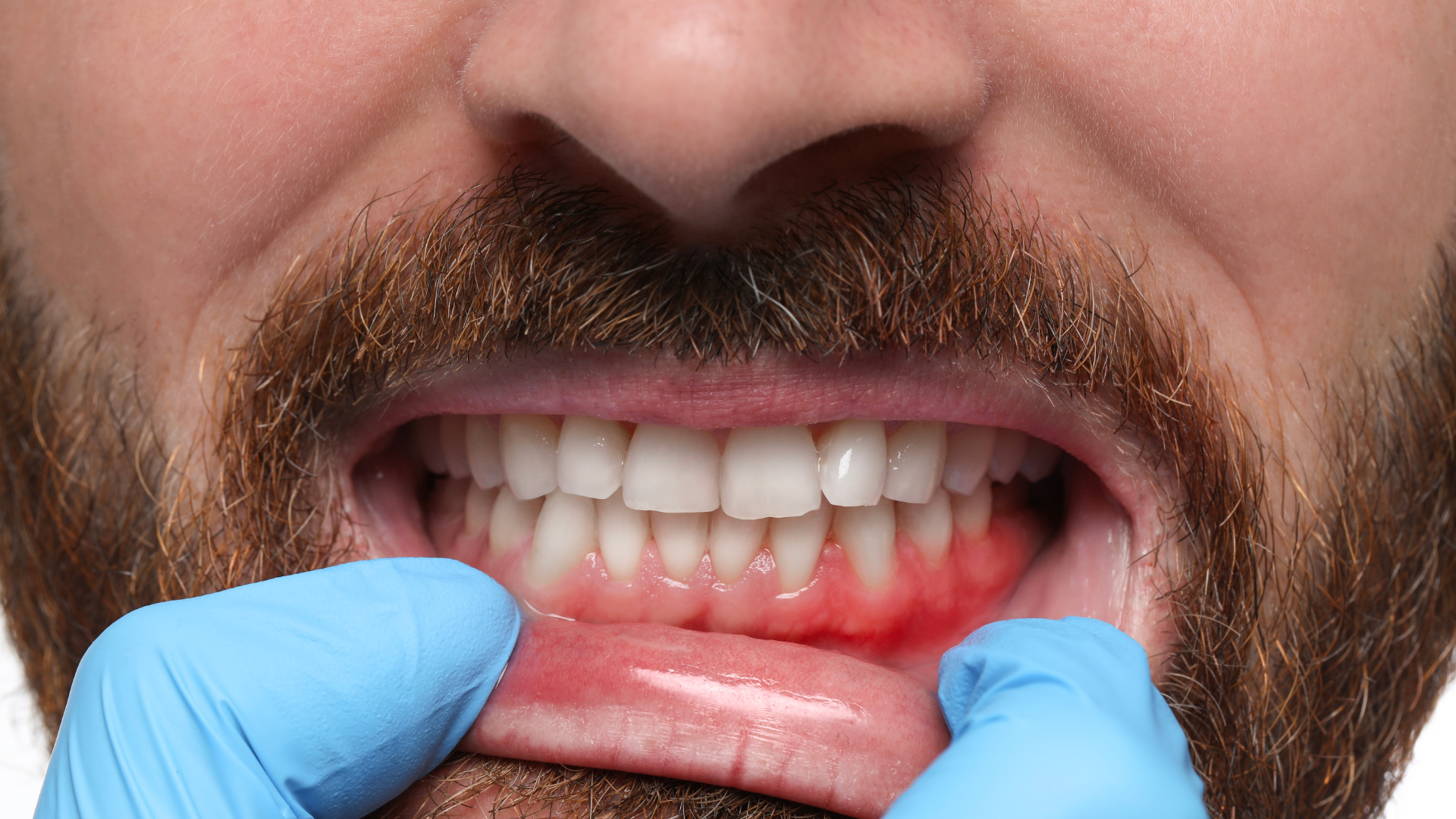
Gingivitis is one of the earliest stages of gum disease, and recognizing when treatment is necessary can help prevent more serious oral health issues. Many people experience symptoms such as red, swollen gums or bleeding while brushing and flossing, but may not realize these are signs that require attention. If left untreated, gingivitis can progress into more advanced periodontal disease, leading to gum recession and potential tooth loss. Seeking timely treatment allows patients to address the condition early and restore gum health. Understanding these warning signs helps individuals take action before the problem worsens.
At PhD Dental, we help patients throughout Los Angeles identify and treat gingivitis before it develops into more serious complications. We focus on personalized care, thorough evaluations, and effective treatment plans designed to improve long-term oral health. Our team works closely with each patient to ensure they understand their condition and the steps needed to maintain healthy gums. We are committed to providing a comfortable and supportive experience while delivering results that protect your smile. Call us at (323) 269-5437 today to schedule your appointment and take the first step toward healthier gums.

How a Periodontist in Los Angeles Can Treat Gingivitis Before It Becomes a Problem
At PhD Dental, we understand that early intervention is the most effective way to treat gingivitis and prevent it from progressing into more serious gum disease. A periodontist focuses on diagnosing gum conditions at their earliest stages and developing targeted treatment plans that address inflammation and bacterial buildup. By identifying symptoms such as bleeding gums, tenderness, and plaque accumulation early, we can take proactive steps to restore gum health. This approach helps stop the progression of gingivitis before it leads to long-term damage. Early care creates a stronger foundation for overall oral health.
We use a combination of professional cleanings, scaling, and personalized oral hygiene guidance to treat gingivitis effectively. These treatments remove plaque and tartar from below the gumline, which helps reduce inflammation and allows the gums to heal properly. We also work closely with patients to improve their at-home care routines so they can maintain results between visits. By focusing on both treatment and prevention, we help patients regain control of their gum health. This comprehensive approach supports long-term stability and healthier smiles.
What Causes the Need for Gingivitis Treatment in Los Angeles
Gingivitis develops when plaque and bacteria build up along the gumline, leading to inflammation and irritation that require professional care. Many patients in Los Angeles experience early gum disease without realizing it, as symptoms can begin subtly and worsen over time. Without proper treatment, gingivitis can progress into more serious periodontal issues that affect both oral health and overall well-being. Understanding the root causes helps patients take preventive action and seek timely care. Addressing these factors early reduces the need for more advanced treatment later.
Plaque and Tartar Buildup
Plaque is a sticky film of bacteria that forms on teeth daily and can quickly lead to gum inflammation if not removed properly. When plaque is not cleaned away through regular brushing and flossing, it hardens into tartar, which cannot be removed at home. This buildup irritates the gums and creates an environment where bacteria can thrive. Over time, this leads to redness, swelling, and bleeding. Professional cleaning becomes necessary to restore gum health.
How Plaque Leads to Gum Inflammation
Bacteria in plaque release toxins that irritate gum tissue and trigger an inflammatory response. This causes the gums to become swollen, tender, and more prone to bleeding. If left untreated, the inflammation can spread and damage supporting structures around the teeth. Early intervention helps reverse these effects before permanent damage occurs. Removing plaque is essential for recovery.
The Role of Tartar in Gum Disease
Once plaque hardens into tartar, it creates a rough surface that attracts even more bacteria. This makes it more difficult to maintain proper oral hygiene and accelerates gum disease progression. Tartar buildup often occurs below the gumline, where it cannot be reached with regular brushing. Professional treatment is required to remove it safely. This step is critical in managing gingivitis.
Poor Oral Hygiene Habits
Inconsistent brushing and flossing allow plaque to accumulate and increase the risk of gingivitis. Many individuals may brush regularly but neglect flossing, which leaves bacteria between teeth and along the gumline. Over time, these areas become more vulnerable to infection and inflammation. Maintaining a consistent oral hygiene routine is essential for preventing gum disease. Proper habits play a major role in long-term gum health.
Infrequent Brushing and Flossing
Skipping daily brushing or flossing creates an environment where bacteria can multiply quickly. This leads to increased plaque buildup and a higher risk of gingivitis. Even short lapses in oral care can contribute to gum irritation. Consistency is key to preventing these issues. Daily habits directly impact oral health.
Improper Brushing Techniques
Brushing too aggressively or using the wrong technique can damage gum tissue and fail to remove plaque effectively. Gentle, thorough brushing with proper technique helps protect gums while cleaning teeth. Using the right tools and methods ensures better results. Education on proper brushing is important. This helps prevent unnecessary irritation.
Lifestyle and Health Risk Factors
Certain lifestyle choices and health conditions can increase the likelihood of developing gingivitis. Factors such as smoking, poor diet, and stress can weaken the body’s ability to fight infection. Additionally, underlying health conditions may affect gum health and healing. Recognizing these risks helps patients take preventive steps. Managing these factors supports better outcomes.
Smoking and Tobacco Use
Smoking reduces blood flow to the gums, which limits the body’s ability to heal and fight infection. This increases the risk of gingivitis and makes treatment less effective. Tobacco use also contributes to plaque buildup and gum irritation. Quitting smoking can significantly improve oral health. This change supports recovery and prevention.
Medical Conditions and Medications
Certain medical conditions, such as diabetes, can make individuals more susceptible to gum disease. Medications that reduce saliva flow can also contribute to bacterial growth. These factors create an environment where gingivitis can develop more easily. Regular dental visits help monitor and manage these risks. Awareness is essential for prevention.

How Early Gingivitis Treatment Prevents Gum Disease
Early gingivitis treatment plays a critical role in preventing the progression of gum disease and protecting long-term oral health. When addressed in its initial stages, gingivitis is often reversible with proper care and professional treatment. Delaying treatment allows inflammation to worsen and increases the risk of developing periodontitis, a more serious condition that can lead to tooth loss. Taking action early helps preserve healthy gum tissue and avoid more invasive procedures. Preventive care remains the most effective approach.
Stopping Inflammation Before It Progresses
Treating gingivitis early helps reduce inflammation and restore gum health before permanent damage occurs. Professional cleanings remove plaque and tartar, which are the primary causes of irritation. This allows the gums to heal and return to a healthier state. Addressing inflammation early prevents it from spreading to deeper tissues. Early care helps maintain overall oral health.
Reversing Early Gum Damage
At the gingivitis stage, gum damage is often reversible with proper treatment and improved oral hygiene. Removing bacteria and maintaining consistent care allows the gums to recover fully. This prevents long-term complications and preserves natural tooth support. Early intervention leads to better outcomes. Prompt treatment makes a significant difference.
Preventing Tissue Breakdown
If gingivitis is not treated, inflammation can lead to the breakdown of gum tissue and bone. This progression results in periodontitis, which is more difficult to manage. Early treatment helps prevent this damage and protects the structure of the teeth. Maintaining healthy gums supports long-term oral stability. Prevention remains key.
Reducing the Risk of Periodontitis
Periodontitis is a more advanced form of gum disease that can cause serious complications if left untreated. Early gingivitis treatment helps reduce the risk of developing this condition by addressing the root causes. Preventing progression helps avoid more complex and costly treatments. This proactive approach supports better oral health. Early care reduces long-term risks.
Protecting Bone and Tooth Support
Gum disease can eventually affect the bone that supports teeth, leading to instability and potential tooth loss. Early treatment helps preserve this support by stopping the spread of infection. Maintaining strong bone structure is essential for long-term dental health. Preventing damage helps avoid serious complications. This protection supports overall wellness.
Avoiding Advanced Treatment Needs
Advanced gum disease often requires more intensive procedures such as deep cleanings or surgical intervention. Treating gingivitis early helps patients avoid these more complex treatments. This reduces both time and cost associated with care. Early action simplifies the treatment process. Prevention leads to better experiences.

What to Expect During Gingivitis Treatment in Los Angeles
Gingivitis treatment in Los Angeles typically involves a combination of professional care and personalized guidance designed to restore gum health and prevent further progression. The process focuses on removing harmful bacteria, reducing inflammation, and improving overall oral hygiene habits. Most patients experience a straightforward and non-invasive treatment plan when gingivitis is caught early. Understanding each stage of care helps reduce uncertainty and encourages patients to take a proactive approach to their oral health. Clear expectations make the experience more comfortable and manageable.
Initial Examination and Diagnosis
The first step in gingivitis treatment involves a comprehensive examination of the gums and teeth to determine the severity of the condition. Dental professionals evaluate visible symptoms and assess underlying issues that may not be immediately apparent. This step ensures that treatment is tailored to the patient’s specific needs. A thorough diagnosis helps create an effective and targeted care plan. This stage lays the groundwork for successful treatment.
Assessing Gum Health
Gum health is evaluated through a detailed visual inspection and measurements of gum pockets around each tooth. These measurements help identify areas where inflammation or bacterial buildup is present. Early detection allows providers to address issues before they worsen. This assessment provides a clear baseline for treatment. It also helps track progress over time.
Identifying Contributing Factors
Providers also examine lifestyle habits and oral hygiene routines that may contribute to gingivitis. Factors such as brushing technique, flossing frequency, and dietary habits are reviewed. Identifying these causes allows for more effective prevention strategies. Addressing underlying issues helps reduce the likelihood of recurrence. This step supports long-term results.
Evaluating Overall Oral Health
A full oral health evaluation ensures that no additional dental issues are contributing to gum inflammation. This may include checking for cavities, alignment issues, or signs of more advanced gum disease. Identifying related conditions helps create a comprehensive treatment plan. This approach ensures that all aspects of oral health are addressed. A complete evaluation improves outcomes.
Professional Cleaning and Scaling
Professional cleaning plays a central role in gingivitis treatment by removing plaque and tartar that cannot be eliminated at home. This process targets the root cause of gum inflammation and helps restore healthy tissue. In many cases, scaling may be used to clean below the gumline where bacteria accumulate. These treatments are effective in reversing early-stage gum disease. Professional care is essential for recovery.
Removing Plaque and Tartar
Dental professionals use specialized tools to remove plaque and hardened tartar from the teeth and gumline. This process eliminates the buildup that causes irritation and inflammation. Removing these deposits allows the gums to heal and return to a healthier state. Clean surfaces also make it easier to maintain oral hygiene. This step is critical for successful treatment.
Deep Cleaning Below the Gumline
When bacteria and tartar accumulate beneath the gumline, a deeper cleaning procedure may be required. Scaling and root planing help remove buildup from these hard-to-reach areas and smooth the tooth surface. This process reduces bacterial growth and encourages gum reattachment. Deep cleaning supports more thorough treatment. It helps prevent further progression of gum disease.
Reducing Bacterial Growth
Professional cleaning significantly reduces the amount of harmful bacteria in the mouth. Lower bacterial levels help decrease inflammation and improve gum health. This creates an environment that supports healing and long-term stability. Maintaining low bacteria levels is essential for prevention. This step reinforces overall treatment success.
Personalized Treatment and Patient Education
Effective gingivitis treatment includes educating patients on how to maintain healthy gums after professional care. Personalized guidance helps patients understand the changes needed to improve their oral hygiene routine. Education empowers patients to take control of their oral health. This approach supports long-term success and prevention. Ongoing awareness plays a key role.
Improving Brushing and Flossing Techniques
Patients receive instruction on proper brushing and flossing techniques to ensure effective plaque removal. Using the correct methods helps protect the gums while maintaining cleanliness. Small adjustments in technique can make a significant difference in results. Consistency is essential for maintaining progress. Proper habits support long-term health.
Recommending Oral Care Products
Dental professionals may recommend specific products such as antimicrobial mouth rinses or specialized toothbrushes. These products help reduce bacteria and support gum healing. Using the right tools improves the effectiveness of daily care routines. Personalized recommendations ensure better results. This guidance enhances treatment outcomes.
Addressing Lifestyle Factors
Lifestyle factors such as diet, smoking, and stress can impact gum health and treatment success. Patients may receive guidance on making changes that support healing and reduce inflammation. Addressing these factors helps create a healthier oral environment. This approach supports long-term prevention. Holistic care improves overall results.
Follow-Up Care and Monitoring
After initial treatment, follow-up care ensures that the gums are healing properly and that no new issues develop. Regular monitoring helps maintain progress and catch any early signs of recurrence. Ongoing care is essential for preventing gingivitis from returning. This step supports long-term oral health. Consistent follow-up improves outcomes.
Scheduling Follow-Up Visits
Patients are encouraged to return for follow-up appointments to evaluate treatment results and maintain gum health. These visits allow providers to monitor progress and make any necessary adjustments. Regular checkups help ensure continued improvement. This proactive approach supports prevention. Consistency is important.
Tracking Healing and Progress
Monitoring gum health over time helps determine how well the treatment is working. Providers may remeasure gum pockets and assess inflammation levels during follow-up visits. Tracking progress allows for early detection of any issues. This helps maintain long-term stability. Ongoing evaluation is essential.
Ongoing Maintenance and Prevention
Maintaining results after treatment requires a consistent oral hygiene routine and regular dental care. Gingivitis can return if proper care is not maintained, making prevention a key part of treatment. Patients must remain committed to daily habits that support gum health. Ongoing maintenance helps preserve results. This step ensures long-term success.
Daily Oral Hygiene Routine
A consistent routine that includes brushing twice daily and flossing helps prevent plaque buildup and maintain healthy gums. Proper technique and regular care are essential for long-term results. Patients who follow a structured routine are less likely to experience recurrence. Daily maintenance supports overall oral health. Consistency is key.
Regular Professional Cleanings
Routine professional cleanings help remove plaque and tartar that may develop over time. These visits provide an opportunity to maintain gum health and address any early signs of gingivitis. Regular cleanings support prevention and long-term stability. This ongoing care helps protect oral health. Preventive visits are essential.
Long-Term Gum Health Strategies
Maintaining gum health requires a combination of professional care, daily habits, and lifestyle awareness. Patients who stay proactive are more likely to avoid future issues. Long-term strategies focus on prevention and early intervention. This approach helps ensure lasting results. Commitment to care supports healthier gums over time.

Why Professional Gingivitis Treatment in Los Angeles Is Important
Professional gingivitis treatment in Los Angeles plays a critical role in protecting long-term oral health and preventing more serious dental complications. While early symptoms of gingivitis may seem manageable at home, plaque and tartar buildup below the gumline often require specialized care to remove completely. Without professional intervention, the condition can progress into periodontitis, which may lead to gum recession, bone loss, and tooth instability. Seeking treatment from a dental professional ensures that the underlying causes are addressed effectively. Early and consistent care helps preserve both gum health and overall oral stability.
Removing Bacteria That Cannot Be Treated at Home
Even with consistent brushing and flossing, certain areas of the mouth are difficult to clean thoroughly without professional tools. Bacteria can accumulate beneath the gumline and in tight spaces between teeth, leading to ongoing inflammation. Professional treatment targets these areas and removes buildup that daily oral care cannot reach. This deeper level of cleaning helps eliminate the root cause of gingivitis. Proper removal of bacteria supports faster healing and better long-term results.
Eliminating Hardened Tartar
Tartar forms when plaque hardens on the teeth and cannot be removed with regular brushing. This buildup creates a rough surface that attracts more bacteria and worsens gum inflammation. Dental professionals use specialized instruments to safely remove tartar without damaging the teeth or gums. Removing tartar is essential for stopping the progression of gingivitis. This step allows the gums to recover more effectively.
Cleaning Below the Gumline
Bacteria that collect below the gumline can lead to persistent inflammation if not properly treated. Professional cleaning methods such as scaling help remove these deposits from deeper areas. This process reduces bacterial levels and promotes healthier gum tissue. Addressing buildup below the surface helps prevent further complications. Thorough cleaning improves overall treatment outcomes.
Preventing the Progression to Periodontal Disease
One of the most important reasons to seek professional gingivitis treatment is to prevent the condition from advancing into more severe gum disease. Periodontitis can cause irreversible damage to the structures that support the teeth. Early intervention helps stop this progression before it leads to long-term complications. Professional care focuses on addressing inflammation at its source. This proactive approach helps protect oral health.
Protecting Gum Tissue and Bone Structure
As gingivitis progresses, it can begin to affect the bone and connective tissue that hold teeth in place. Professional treatment helps preserve these structures by reducing inflammation and eliminating infection. Maintaining healthy support systems is essential for long-term dental stability. Early care helps prevent permanent damage. Protecting these structures supports overall oral function.
Reducing the Risk of Tooth Loss
Untreated gum disease is a leading cause of tooth loss, making early treatment essential. Professional care helps stabilize the gums and prevent further deterioration. By addressing gingivitis early, patients can avoid more invasive procedures in the future. Preventing tooth loss helps maintain both oral health and confidence. Early action leads to better outcomes.
Improving Overall Oral Health and Comfort
Gingivitis can cause discomfort, sensitivity, and bleeding, which can affect daily activities such as eating and brushing. Professional treatment helps alleviate these symptoms and restore comfort. Healthier gums also contribute to improved oral hygiene and better overall dental health. Addressing gingivitis early creates a more comfortable and manageable experience. This improvement enhances quality of life.
Reducing Inflammation and Sensitivity
Inflamed gums can become tender and prone to bleeding, especially during brushing or flossing. Professional treatment helps reduce this inflammation and restore normal gum condition. As the gums heal, sensitivity decreases and daily care becomes easier. This improvement encourages better oral hygiene habits. Reduced discomfort supports long-term maintenance.
Enhancing Daily Oral Hygiene
When gums are healthy, it becomes easier to maintain proper oral hygiene routines. Patients are more likely to brush and floss consistently when discomfort is minimized. Professional treatment helps create a stable foundation for daily care. This supports better long-term results. Improved habits contribute to overall oral health.
Providing Personalized Care and Long-Term Prevention
Professional gingivitis treatment includes personalized care plans that address each patient’s specific needs and risk factors. Dental providers offer guidance on improving oral hygiene, selecting the right products, and maintaining results over time. This individualized approach helps prevent recurrence and supports ongoing gum health. Long-term prevention remains a key focus of professional care. Personalized treatment leads to better outcomes.
Tailoring Treatment to Individual Needs
Each patient’s oral health condition is unique, which means treatment plans must be customized accordingly. Dental professionals evaluate specific symptoms and contributing factors before recommending care. This ensures that treatment is both effective and appropriate. Personalized plans improve overall success. Tailored care supports long-term health.
Educating Patients on Prevention Strategies
Education plays an important role in preventing gingivitis from returning after treatment. Patients learn how to maintain proper brushing and flossing techniques and understand the importance of regular dental visits. This knowledge empowers individuals to take control of their oral health. Preventive strategies help maintain results. Ongoing education supports lasting improvement.

Contact a Skilled Los Angeles Periodontist for Gingivitis Treatment Today
At PhD Dental, we provide comprehensive gingivitis treatment tailored to each patient’s needs, focusing on early intervention and long-term gum health. Our team takes the time to evaluate your condition, identify the underlying causes, and develop a treatment plan that addresses both current symptoms and future prevention. We understand that gum health plays a critical role in your overall oral wellness, and we remain committed to delivering care that is both effective and comfortable. By working with us, you gain access to experienced professionals who prioritize your health and long-term results.
We continue to support our patients every step of the way, from diagnosis through treatment and ongoing maintenance. Our goal is to help you restore healthy gums while providing the tools and guidance needed to prevent recurrence. We focus on clear communication, personalized care, and proven treatment methods to ensure the best possible outcome. With the right care and support, gingivitis can be treated effectively before it leads to more serious complications. Call us at (323) 269-5437 today or reach out online to schedule your appointment.