
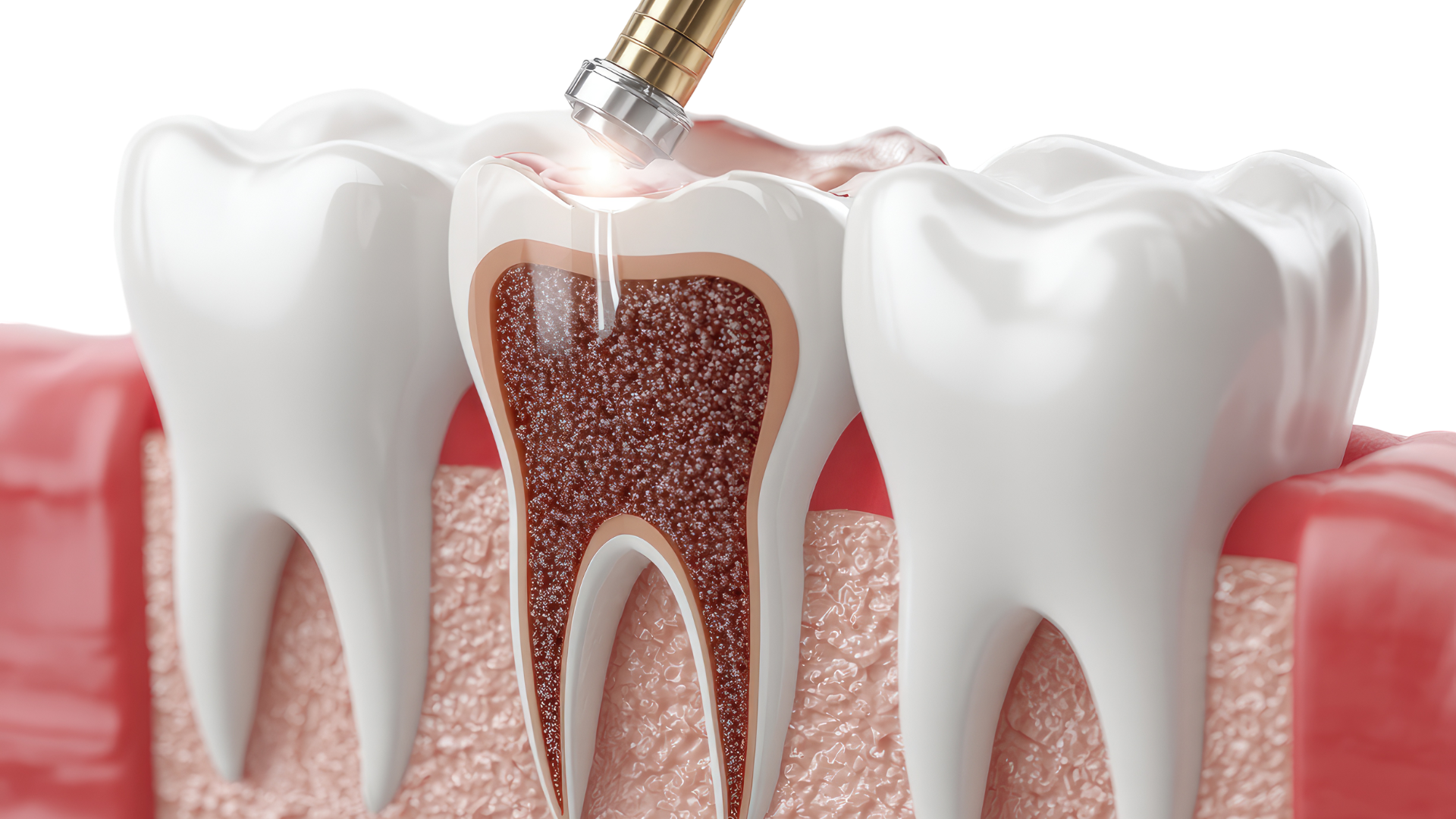
When Might Emergency Root Canals Be Necessary in Los Angeles?
Emergency root canals may become necessary in Los Angeles when a tooth infection or severe decay reaches the inner pulp, causing intense pain and potential complications. These situations often develop quickly and may result from untreated cavities, dental trauma, or deep cracks that expose the tooth’s nerve. Symptoms such as persistent tooth pain, swelling, sensitivity to temperature, or pressure can indicate the need for immediate care. Seeking prompt treatment helps prevent the infection from spreading and protects the surrounding teeth and tissues. Understanding when emergency care is required allows patients to act quickly and avoid more serious dental issues.
If you are experiencing severe tooth pain or believe you may need an emergency root canal in Los Angeles, working with an experienced dental provider can make a meaningful difference in both comfort and outcome. At PhD Dental, patients receive prompt, personalized care designed to relieve pain, eliminate infection, and preserve natural teeth whenever possible. We take the time to evaluate your condition thoroughly and explain your treatment options so you feel confident in your care. Our team focuses on delivering precise, high-quality treatment while helping you restore your oral health as quickly as possible. Call us today at (323) 269-5437 to schedule your consultation and get the relief you need.
Getting Emergency Root Canals in Los Angeles
At PhD Dental, we provide prompt and effective care for patients who need emergency root canals in Los Angeles, helping relieve pain and address infections before they worsen. We understand that dental emergencies can feel overwhelming, which is why we focus on quick evaluations and clear communication throughout the process. Our team uses advanced diagnostic tools to identify the source of the problem and determine the most appropriate treatment. By acting quickly, we help protect your natural tooth and prevent further complications. Our approach prioritizes both immediate relief and long-term oral health.
We also take the time to ensure that each patient feels comfortable and informed during treatment, even in urgent situations. Emergency root canals require precision and attention to detail to fully remove infection and restore the tooth’s function. Our team focuses on delivering high-quality care while minimizing discomfort and recovery time. We guide patients through each step so they understand what to expect before, during, and after the procedure. This level of support helps create a smoother experience and promotes better overall outcomes.
What Causes the Need for an Emergency Root Canal in Los Angeles
Emergency root canals in Los Angeles are often necessary when damage or infection reaches the inner pulp of a tooth, creating severe pain and potential complications. These issues can develop gradually or occur suddenly due to injury or untreated dental problems. Understanding the underlying causes helps patients recognize warning signs and seek treatment before the condition worsens. Early intervention plays a key role in preserving the tooth and preventing the spread of infection. Identifying these causes also helps reduce the risk of future emergencies.
Tooth Decay and Deep Cavities
Tooth decay remains one of the most common reasons patients require an emergency root canal. When cavities are left untreated, bacteria can penetrate deeper layers of the tooth and reach the pulp. This progression often leads to infection and significant discomfort. Addressing decay early helps prevent more serious complications. Timely care can reduce the need for emergency procedures.
Progression of Untreated Cavities
Cavities begin as minor damage to the enamel but can quickly worsen without proper treatment. As decay spreads inward, it weakens the structure of the tooth and exposes sensitive areas. Once the pulp becomes infected, a root canal may be necessary to remove bacteria and preserve the tooth. This progression highlights the importance of routine dental care. It also emphasizes early detection.
Bacterial Infection of the Pulp
When bacteria reach the pulp, they can cause inflammation and infection that leads to intense pain and swelling. This infection may also spread to surrounding tissues if left untreated. A root canal removes the infected material and prevents further damage. This step helps restore the tooth’s function. It also protects overall oral health.
Dental Trauma and Injury
Dental trauma can create sudden damage that exposes the inner structures of the tooth. Accidents, sports injuries, or falls may lead to fractures or dislodged teeth. These situations often require immediate evaluation to prevent infection. Trauma-related damage can progress quickly without treatment. Prompt care remains essential.
Cracked or Fractured Teeth
A crack or fracture in the tooth can allow bacteria to enter and infect the pulp. Even small cracks may lead to serious issues if not addressed. These injuries may not always be visible but can cause sensitivity or pain. Early diagnosis helps determine whether a root canal is necessary. This approach helps preserve the tooth.
Impact Injuries to the Tooth
A strong impact may damage the tooth internally even if there is no visible break. This type of injury can disrupt blood flow to the pulp and lead to infection over time. Symptoms may develop gradually after the initial trauma. Monitoring these changes helps identify when treatment is needed. Early care improves outcomes.
Untreated Infections and Abscesses
Untreated infections can progress into abscesses, which often require emergency root canal treatment. These infections may begin with minor symptoms but can quickly become severe. Recognizing early signs helps prevent complications. Proper treatment stops the infection from spreading. This step protects both the tooth and surrounding tissue.
Formation of Dental Abscesses
An abscess forms when pus builds up due to a bacterial infection within the tooth or gums. This condition often causes swelling, pain, and sensitivity. Abscesses can become serious if not treated promptly. A root canal removes the source of infection and helps relieve symptoms. This treatment prevents further spread.
Spread of Infection to Surrounding Areas
If left untreated, dental infections can extend beyond the tooth and affect nearby bone and tissue. This spread may lead to more complex health concerns. Emergency treatment helps contain the infection and prevent escalation. Addressing the issue early reduces risks. It also supports overall oral health.
What to Expect During an Emergency Root Canal Procedure
Understanding what to expect during an emergency root canal procedure in Los Angeles can help reduce anxiety and make the experience more manageable. Modern dental techniques focus on patient comfort while effectively treating infection and preserving the tooth. The procedure involves several carefully planned steps designed to remove infected tissue and restore function. Knowing what happens during treatment helps patients feel more prepared. It also encourages timely care when symptoms arise.
Initial Evaluation and Diagnosis
The procedure begins with a thorough evaluation to determine the extent of the infection and confirm the need for a root canal. Dentists use imaging and clinical exams to assess the affected tooth. This step ensures that the correct treatment plan is developed. Accurate diagnosis improves the effectiveness of the procedure. It also helps address the problem efficiently.
Dental Examination and Imaging
Dentists perform a detailed examination and may take X-rays to view the internal structure of the tooth. These images help identify infection, damage, or abscess formation. This information guides the treatment process. It ensures that all affected areas are addressed. Proper imaging supports precise care.
Determining the Severity of Infection
Assessing the severity of the infection helps determine how urgent the treatment is and what approach to take. Some cases may require immediate attention to prevent complications. Dentists use this evaluation to plan each step of the procedure. This preparation improves outcomes. It also ensures patient safety.
Cleaning and Removing Infected Tissue
Once the diagnosis is complete, the dentist begins the process of removing the infected pulp from inside the tooth. This step eliminates the source of pain and infection. Careful cleaning ensures that bacteria are fully removed. This process forms the core of the root canal treatment. It helps restore the tooth.
Accessing the Inner Tooth
The dentist creates a small opening in the tooth to reach the infected pulp. This step allows access to the root canals where the infection is located. Precision remains important during this phase. It ensures that the surrounding structure remains intact. This approach supports successful treatment.
Disinfecting the Root Canals
After removing the infected tissue, the dentist cleans and disinfects the root canals thoroughly. This step removes bacteria and prevents reinfection. Special tools and solutions are used to ensure complete cleaning. Proper disinfection is essential for long-term success. It supports healing.
Sealing and Restoring the Tooth
After cleaning, the dentist seals the tooth to protect it from future infection and restore its function. This step helps maintain the structure and stability of the tooth. Proper restoration allows the tooth to function normally. It also improves overall oral health. This final phase completes the procedure.
Filling the Root Canals
The cleaned canals are filled with a special material that helps stabilize the tooth and prevent bacteria from reentering. This filling seals the internal structure. It provides long-term protection. This step ensures that the infection does not return. It strengthens the tooth.
Placing a Crown or Restoration
In many cases, a crown or other restoration is placed on the treated tooth to provide additional strength and protection. This helps the tooth withstand normal biting and chewing forces. Restoring the tooth improves both function and appearance. It completes the treatment process. This step supports long-term durability.

How Emergency Root Canals Help Save Your Natural Tooth
Emergency root canals play a critical role in preserving natural teeth that would otherwise require extraction due to severe infection or damage. Saving the natural tooth provides significant long-term benefits, including maintaining proper alignment, bite function, and overall oral health. This treatment removes infection while allowing the tooth to remain structurally intact and functional. Patients who understand these advantages often feel more confident choosing a root canal over extraction. Preserving the natural tooth typically leads to more stable and predictable outcomes.
Eliminating Infection While Preserving Structure
A root canal focuses on removing infected tissue while keeping the outer structure of the tooth intact. This approach allows patients to retain their natural tooth rather than replacing it with artificial options. Preserving the original structure helps maintain proper chewing function and overall dental balance. It also reduces the need for additional invasive procedures. This benefit supports both immediate relief and long-term oral health.
Removing Infected Pulp Safely
The procedure targets only the damaged or infected pulp inside the tooth, which helps eliminate pain at its source. By removing bacteria and inflamed tissue, the dentist prevents the infection from spreading further. This precise approach protects the surrounding healthy structure of the tooth. It also allows the tooth to remain functional after treatment. This method provides a reliable and effective solution.
Maintaining Tooth Integrity
Keeping the natural tooth intact helps preserve the surrounding bone and soft tissue that support it. Tooth extraction can lead to gradual bone loss and structural changes in the mouth over time. A root canal helps maintain the original position and integrity of the tooth. This preservation supports better long-term oral health. It also improves overall stability.
Reinforcing the Tooth With Restoration
After the root canal, the tooth is typically reinforced with a filling or crown to restore strength and function. This restoration helps protect the treated tooth from future damage. It also allows the tooth to withstand normal biting and chewing forces. A properly restored tooth can last for many years. This step ensures durability and continued use.
Avoiding the Need for Tooth Extraction
Choosing a root canal often eliminates the need for tooth extraction, which can lead to additional treatments and complications. Removing a tooth creates a gap that may affect surrounding teeth and overall alignment. A root canal helps maintain the natural structure of the mouth without disruption. This approach simplifies treatment and recovery. It also provides a more conservative solution.
Preventing Gaps and Alignment Issues
When a tooth is lost, neighboring teeth may shift into the empty space over time. This movement can lead to misalignment and bite problems. A root canal helps preserve the original spacing and positioning of the teeth. This stability supports better function and comfort. It also reduces the risk of future orthodontic issues.
Reducing the Need for Replacement Procedures
Replacing a missing tooth often requires procedures such as implants, bridges, or partial dentures. These treatments can be time-consuming and involve additional costs. Root canals help patients avoid these steps by preserving the existing tooth. This approach simplifies long-term dental care. It also minimizes the need for further intervention.
Preserving Natural Bite and Function
Maintaining your natural tooth helps preserve your bite strength and overall chewing ability. Artificial replacements may not always replicate the exact function of a natural tooth. A root canal allows you to retain normal dental performance. This benefit supports daily activities like eating and speaking. It also enhances comfort.
Supporting Long-Term Oral Health
Emergency root canals not only address immediate pain but also contribute to long-term oral health and stability. By removing infection and preserving the tooth, patients can maintain better dental function over time. This treatment helps prevent additional complications that could arise from untreated issues. It also supports a healthier and more balanced smile. Long-term care begins with effective intervention.
Preventing Further Complications
Untreated infections can spread to surrounding teeth, gums, and even other areas of the body. A root canal stops the infection at its source and prevents it from worsening. This early intervention reduces the risk of more serious health concerns. It also supports faster healing and recovery. Addressing the issue promptly remains essential.
Protecting Surrounding Teeth and Tissues
Infections that spread can weaken nearby teeth and damage surrounding gum tissue. A root canal helps isolate and remove the problem before it affects other areas. This protection helps maintain the overall health of the mouth. It also reduces the likelihood of additional dental procedures. This benefit strengthens overall outcomes.
Promoting Lasting Dental Function
A properly treated and restored tooth can continue to function normally for many years with routine care. Root canals allow patients to retain their natural bite and chewing efficiency. This long-term functionality supports overall quality of life. It also helps maintain confidence in everyday activities. Preserving function remains one of the most important advantages.

Risks of Delaying an Emergency Root Canal Treatment
Delaying an emergency root canal treatment in Los Angeles can lead to serious complications that extend beyond the affected tooth. What may begin as mild discomfort can quickly develop into severe pain, infection, and structural damage if left untreated. The inner pulp of the tooth contains nerves and blood vessels, which makes infections in this area particularly aggressive. Acting promptly helps contain the issue before it worsens and affects surrounding tissues. Understanding these risks encourages timely care and helps prevent more complex dental problems.
Progression of Infection
One of the most significant risks of delaying treatment is the continued spread of infection within the tooth and surrounding areas. Bacteria can multiply quickly inside the pulp, leading to increased inflammation and damage. As the infection progresses, it may move beyond the tooth into nearby tissues. This escalation can make treatment more complicated and less predictable. Early intervention helps control the infection before it spreads.
Spread to Surrounding Teeth and Gums
An untreated infection can extend into adjacent teeth and gum tissue, creating additional dental issues. This spread may weaken nearby structures and increase the risk of further decay or damage. As more areas become affected, treatment may require multiple procedures instead of a single root canal. This progression can significantly impact oral health. Addressing the issue early helps limit these effects.
Development of Dental Abscesses
Delaying treatment can lead to the formation of a dental abscess, which is a pocket of pus caused by bacterial infection. Abscesses often result in swelling, severe pain, and sensitivity. In some cases, they may cause visible facial swelling or difficulty chewing. These conditions require urgent attention and may involve more extensive treatment. Preventing abscess formation remains a key reason to act quickly.
Increased Pain and Discomfort
Pain associated with an infected tooth often intensifies over time when treatment is delayed. What begins as occasional sensitivity can develop into constant and severe discomfort. This pain may interfere with daily activities such as eating, speaking, and sleeping. Managing symptoms becomes more difficult as the infection worsens. Early treatment helps relieve pain more effectively.
Persistent and Worsening Tooth Pain
As the infection progresses, pressure builds within the tooth, leading to continuous pain. This discomfort may radiate to other areas of the face or jaw. Over-the-counter medications may provide only temporary relief. Without proper treatment, the underlying issue remains unresolved. Addressing the infection early helps prevent prolonged suffering.
Heightened Sensitivity to Temperature and Pressure
Delaying a root canal can increase sensitivity to hot and cold foods or drinks. This sensitivity may become more intense as the pulp becomes further inflamed. Biting or chewing may also cause sharp discomfort. These symptoms often indicate deeper damage within the tooth. Prompt care helps reduce sensitivity and restore comfort.
Risk of Tooth Loss
Without timely treatment, the damage caused by infection may become too severe to save the natural tooth. Once the structure weakens significantly, extraction may become the only option. Losing a tooth can lead to additional complications such as shifting teeth and bite issues. Preserving the natural tooth remains a primary goal of early treatment. Acting quickly improves the chances of saving it.
Structural Damage to the Tooth
As infection spreads, it can weaken the internal and external structure of the tooth. This damage may cause cracks, fractures, or breakdown of the enamel. A compromised tooth may not be strong enough to support restoration. In these cases, extraction becomes necessary. Early intervention helps maintain structural integrity.
Need for More Complex Dental Procedures
Tooth loss often requires replacement options such as dental implants or bridges. These procedures can be more time-consuming and costly than a root canal. Delaying treatment increases the likelihood of needing these additional services. Addressing the issue early simplifies the treatment process. It also reduces overall dental expenses.
Impact on Overall Health
Dental infections do not always remain isolated to the mouth and can affect overall health if left untreated. Bacteria from an infected tooth may enter the bloodstream and contribute to other health concerns. This connection highlights the importance of addressing dental issues promptly. Protecting oral health also supports general well-being. Early treatment helps reduce these risks.
Spread of Infection Beyond the Mouth
In severe cases, infection may spread to other parts of the body, leading to more serious health complications. This can include swelling in the face or neck and difficulty swallowing. These symptoms require immediate medical attention. Preventing this progression remains essential. Timely care helps contain the infection.
Increased Risk of Systemic Health Issues
Chronic dental infections may contribute to inflammation that affects overall health. While each case varies, untreated infections can place additional strain on the body. Addressing the source of infection helps reduce these risks. Maintaining oral health supports broader health goals. Early intervention remains the best approach.

Experiencing Extreme Mouth Pain? Contact a Skilled Los Angeles Endodontist Today
At PhD Dental, we understand how disruptive and overwhelming severe mouth pain can feel, especially when it interferes with daily activities like eating, speaking, or sleeping. We work quickly to identify the underlying cause of your discomfort and determine whether an emergency root canal or another treatment is necessary. Our team focuses on providing precise care that targets the source of the pain rather than just the symptoms. By addressing the issue early, we help prevent further complications and protect your overall oral health. We remain committed to making the process as smooth and stress-free as possible.
We also prioritize patient comfort by explaining each step of the treatment process and ensuring you feel informed before moving forward. Severe dental pain often signals a deeper issue that requires prompt attention, which makes timely care essential. Our team uses advanced techniques to treat infections effectively while preserving as much of the natural tooth as possible. We focus on delivering reliable, high-quality results that support long-term oral health and function. Call PhD Dental today at (323) 269-5437 or reach out online to schedule your consultation and get the relief you need as quickly as possible.