
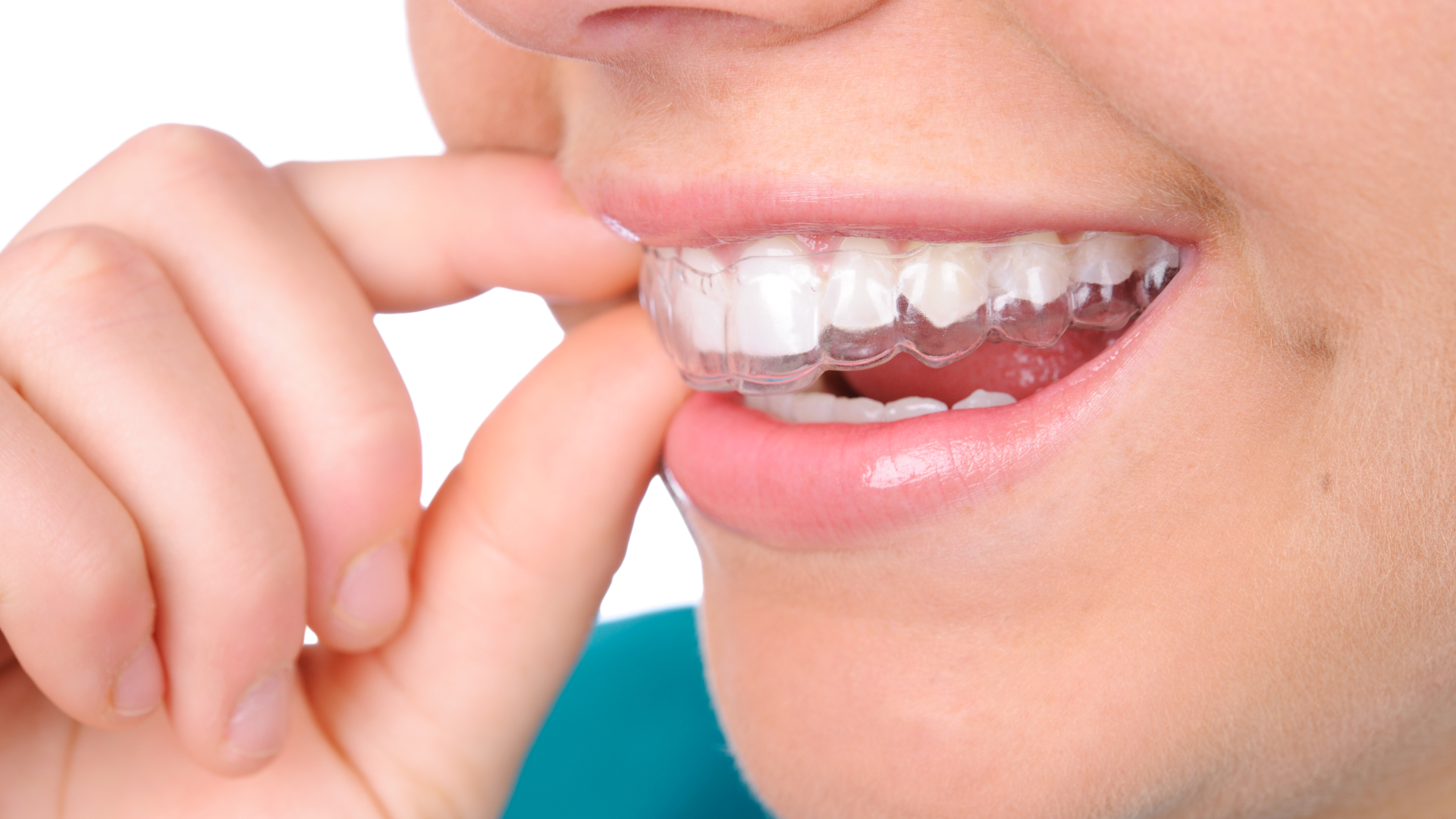
Why Get a Permanent Retainer Over a Plastic One in Los Angeles?
After completing orthodontic treatment, retaining the results often becomes just as important as achieving them in the first place. Both permanent retainers and removable plastic retainers help keep teeth in their proper positions, but each option offers different benefits depending on a patient’s lifestyle, oral health needs, and long-term treatment goals. Additionally, understanding the differences between these retention methods may help patients make informed decisions about maintaining their smiles after braces or clear aligner treatment. Choosing the right retainer can play an important role in preventing unwanted tooth movement and protecting orthodontic investments for years to come.
At PhD Dental, we help patients throughout Los Angeles evaluate their orthodontic retention options while developing personalized treatment plans that support long-term dental health and smile stability. Our team takes the time to explain the advantages and considerations associated with different retainer types so patients can feel confident about their decisions moving forward. Furthermore, we focus on providing customized care designed to preserve treatment results while accommodating each patient’s unique needs and lifestyle preferences. If you would like to learn more about your retainer options, call us at (323) 269-5437 today.
Why a Permanent Retainer Can Be Preferable in Los Angeles
At PhD Dental, we often recommend permanent retainers for patients who want a reliable solution for maintaining orthodontic results without the need to remember daily wear schedules. Unlike removable plastic retainers, permanent retainers remain securely attached behind the teeth, helping reduce the risk of teeth shifting due to inconsistent use or misplaced appliances. Additionally, many patients appreciate the convenience of a retention solution that works continuously throughout the day without requiring extra effort or compliance. We work closely with patients to determine whether a permanent retainer aligns with their orthodontic goals, oral health needs, and long-term expectations.
We understand that every patient has different priorities when selecting a retainer, which is why we take a personalized approach when discussing retention options. Permanent retainers may provide additional peace of mind for individuals concerned about relapse or maintaining alignment after extensive orthodontic treatment. Furthermore, many patients find that fixed retainers offer greater consistency because they do not need to be removed during meals, travel, or daily activities. Our team helps patients evaluate the benefits of each option while creating long-term plans focused on preserving healthy, beautiful smiles for years to come.
What Are the Main Differences Between Permanent and Plastic Retainers?
Both permanent retainers and plastic retainers play important roles in preserving orthodontic results, but they function differently and offer unique advantages. Understanding these differences may help patients make informed decisions regarding long-term retention after braces or clear aligner treatment. Additionally, comparing factors such as convenience, maintenance requirements, comfort, effectiveness, and lifestyle compatibility often pro
vides valuable insight when evaluating available options. Choosing the right retainer frequently depends on individual preferences, orthodontic history, oral health needs, and long-term smile goals.
While both retention methods aim to prevent teeth from shifting after orthodontic treatment, they achieve this objective in different ways. Permanent retainers provide continuous support through a fixed wire bonded behind the teeth, whereas plastic retainers rely on consistent patient wear to maintain alignment. Furthermore, each option presents different benefits and challenges related to daily use, cleaning requirements, durability, and long-term maintenance. Understanding these distinctions may help patients work with their orthodontist to determine the most appropriate retention strategy for their situation.
Permanent Retainers Remain Attached to the Teeth
Permanent retainers consist of a thin wire bonded behind the teeth, typically along the lower front teeth and sometimes the upper teeth as well. Since they remain fixed in place, patients do not need to remove or replace them throughout the day. Furthermore, fixed retention provides continuous support without requiring daily compliance. Convenience often represents one of the most significant benefits of permanent retainers.
Patients Do Not Need to Remember Daily Wear
One of the biggest challenges associated with removable retainers involves consistent use over time. Patients may forget to wear them or fail to follow orthodontic recommendations regularly. Additionally, permanent retainers eliminate this concern by remaining in place at all times. Consistent retention often helps protect orthodontic results more effectively.
There Is No Risk of Misplacing the Retainer
Plastic retainers may become lost, damaged, or accidentally discarded when removed during meals or travel. Permanent retainers avoid these risks because they remain securely attached to the teeth. Furthermore, patients often appreciate not needing to manage a removable appliance throughout the day. Fixed retention frequently offers greater convenience.
Continuous Retention Occurs Automatically
Permanent retainers work continuously without requiring any action from the patient. This automatic retention may be particularly beneficial for individuals who have busy schedules or difficulty maintaining daily orthodontic routines. Additionally, patients often enjoy greater peace of mind knowing their retainer remains active at all times. Consistent support frequently contributes to long-term smile stability.
Fixed Retainers May Improve Long-Term Compliance
Orthodontic retention depends heavily on compliance when using removable appliances. Permanent retainers remove the possibility of inconsistent wear by remaining attached behind the teeth. Furthermore, patients do not need reminders or special routines to maintain retention effectiveness. Built-in compliance often represents a significant advantage.
Plastic Retainers Offer Greater Flexibility
Plastic retainers remain a popular option because patients can remove them when necessary for eating, drinking, and oral hygiene routines. These retainers fit over the teeth and help maintain alignment when worn according to professional recommendations. Additionally, removable appliances provide flexibility that some patients find appealing. Personal preferences often influence retention decisions.
Removable Appliances Allow Easier Cleaning
Many patients find it easier to brush and floss normally without a fixed wire behind the teeth. Plastic retainers can be removed temporarily while completing oral hygiene routines. Furthermore, removable appliances may simplify certain aspects of dental care. Oral hygiene considerations often factor into retainer selection.
Patients Must Follow Wear Instructions Carefully
The effectiveness of plastic retainers depends largely on consistent use according to orthodontic recommendations. Failure to wear the appliance regularly may increase the risk of orthodontic relapse. Additionally, inconsistent wear often reduces the retainer’s ability to maintain alignment over time. Patient compliance remains essential for success.
Removable Retainers Provide Greater Control
Some patients prefer the ability to remove their retainer whenever necessary. This flexibility may appeal to individuals who value having direct control over when and how they wear their appliance. Furthermore, removable retainers allow patients to temporarily remove the appliance for special events or certain activities. Flexibility often remains a key benefit.
Replacement Can Be Simpler
If a plastic retainer becomes worn, damaged, or no longer fits properly, replacing it may be relatively straightforward. Patients can often obtain a new retainer based on updated impressions or digital scans. Additionally, replacement options may be available without modifying the teeth themselves. Simplicity sometimes appeals to patients considering removable retention.
Comfort and Daily Experience Can Differ
Comfort often plays an important role when patients compare permanent and plastic retainers. While both options become easier to tolerate over time, the initial adjustment period may differ depending on the type of appliance selected. Additionally, patients may notice differences in speech, sensation, and overall awareness during the first few days or weeks. Understanding these experiences may help set realistic expectations.
Permanent Retainers Typically Feel Less Noticeable Over Time
Because permanent retainers sit behind the teeth, many patients eventually forget they are there after the adjustment period ends. The thin wire remains largely hidden and typically does not interfere significantly with daily activities. Furthermore, many individuals appreciate not needing to insert or remove an appliance regularly. Long-term comfort often improves as patients adapt.
Plastic Retainers Cover the Teeth
Plastic retainers fit over the entire dental arch and may feel more noticeable initially than fixed retainers. Some patients experience temporary speech changes or increased awareness during the adjustment period. Additionally, wearing the appliance for extended periods may require adaptation. Most individuals become comfortable with regular use over time.
Maintenance Requirements Differ Between Retainer Types
Permanent and plastic retainers each require ongoing care, although the maintenance process differs significantly between the two options. Understanding these requirements may help patients determine which solution fits their lifestyle more effectively. Furthermore, proper maintenance often contributes to better long-term performance and oral health outcomes. Routine care remains important regardless of retainer type.
Permanent Retainers Require Careful Oral Hygiene
Patients with permanent retainers should pay close attention to brushing and flossing around the bonded wire. Specialized flossing tools may help clean areas beneath the retainer more effectively. Additionally, regular dental visits often help ensure the retainer remains secure and functional. Consistent oral hygiene supports long-term success.
Plastic Retainers Need Regular Cleaning
Removable retainers require routine cleaning to help prevent buildup, odors, and discoloration. Patients generally clean the appliance separately from their teeth using recommended cleaning methods. Furthermore, proper care may help extend the life of the retainer while maintaining comfort and appearance. Regular maintenance often improves appliance longevity.
Fixed Retainers Require Monitoring
Although permanent retainers remain securely bonded in place, orthodontists often recommend periodic evaluations to ensure they continue functioning properly. Small repairs may occasionally become necessary if the wire loosens or bonding material wears down. Additionally, routine monitoring may help identify concerns before they affect retention performance. Preventative care often supports long-term reliability.
Removable Retainers Need Proper Storage
Patients must store plastic retainers properly whenever they are not being worn. Improper storage may increase the risk of damage, loss, or accidental disposal. Furthermore, exposure to heat or physical pressure may affect the appliance’s shape and effectiveness. Responsible handling frequently contributes to longer retainer life.
Lifestyle Preferences Often Influence the Decision
Selecting between a permanent and plastic retainer frequently depends on a patient’s daily routine, preferences, and long-term retention goals. Both options offer benefits, but certain lifestyles may align more closely with one solution than the other. Additionally, discussing these factors with an orthodontist may help patients make informed decisions. Personalized treatment recommendations often support the best results.
Convenience May Favor Permanent Retainers
Patients who prefer a low-maintenance retention solution often appreciate the convenience of a permanent retainer. Since the appliance remains attached, there is no need to remember daily wear schedules or manage removable devices. Furthermore, continuous retention may provide additional reassurance regarding long-term stability. Convenience frequently drives patient interest in fixed retainers.
Flexibility May Favor Plastic Retainers
Some individuals prefer removable retainers because they can remove them when desired and maintain their normal oral hygiene routine without modifications. Additionally, removable appliances may appeal to patients who prefer greater control over their retention approach. Personal comfort and lifestyle considerations often influence final treatment decisions. Orthodontic recommendations help guide the selection process.
Travel Habits May Affect Retainer Choice
Patients who travel frequently may prefer a permanent retainer because it eliminates the need to pack, clean, and keep track of a removable appliance. Furthermore, fixed retention reduces concerns about losing a retainer while away from home. Convenience during travel often influences retention decisions.
Professional and Social Considerations Matter
Some patients prioritize discretion and simplicity when choosing a retainer. Permanent retainers remain hidden behind the teeth and require little attention during daily activities. Additionally, patients who prefer not to remove an appliance in public settings may find fixed retention more appealing. Lifestyle preferences often play a meaningful role in the decision-making process.
Orthodontists Evaluate Multiple Factors Before Making Recommendations
Retainer selection involves more than choosing the most convenient option. Orthodontists evaluate treatment complexity, relapse risk, oral health, patient habits, and long-term goals before recommending a retention strategy. Additionally, certain patients may benefit from combining fixed and removable retainers to maximize stability. Individualized treatment planning often produces the strongest long-term results.
Treatment History Influences Retention Needs
Patients who experienced severe crowding, spacing issues, or extensive orthodontic movement may require stronger retention support than individuals with simpler treatment histories. Furthermore, the complexity of previous corrections often influences the level of long-term retention needed. Orthodontic history frequently guides recommendations.
Long-Term Smile Goals Help Shape Decisions
Every patient has different priorities regarding maintenance, convenience, flexibility, and long-term stability. Orthodontists consider these preferences while developing retention plans tailored to individual needs. Additionally, understanding a patient’s lifestyle often helps determine which retainer option will provide the greatest likelihood of long-term success. Personalized planning frequently leads to better outcomes.
How Permanent Retainers Help Protect Orthodontic Results in Los Angeles
Completing orthodontic treatment represents a significant investment of time, effort, and resources, making long-term retention an important part of preserving those results. Permanent retainers help maintain tooth alignment by providing continuous support after braces or clear aligner treatment has ended. Unlike removable options, permanent retainers remain attached behind the teeth and work around the clock without requiring daily compliance from the patient. Additionally, many individuals choose permanent retainers because they offer a reliable solution for reducing the risk of unwanted tooth movement over time.
Patients often spend months or even years achieving their desired orthodontic results, which makes protecting those improvements a top priority after treatment concludes. Permanent retainers provide a long-term retention solution that helps support smile stability without requiring significant lifestyle adjustments. Furthermore, many orthodontists recommend permanent retention for patients who may be at a greater risk of relapse due to crowding, spacing, or previous alignment concerns. Consistent support frequently helps patients maintain the results they worked hard to achieve.
Permanent Retainers Provide Continuous Support
One of the primary advantages of permanent retainers is their ability to provide constant retention without relying on patient memory or daily routines. Since the retainer remains bonded behind the teeth, it continues working throughout the day and night to help maintain alignment. Furthermore, continuous support may be especially beneficial for patients who have experienced significant orthodontic movement during treatment. Consistent retention often helps preserve long-term orthodontic outcomes.
Fixed Retention Helps Reduce Human Error
Many patients struggle to wear removable retainers consistently after completing orthodontic treatment. Missed days or inconsistent use may allow teeth to shift gradually over time. Additionally, permanent retainers eliminate concerns related to forgetting, losing, or damaging removable appliances. Reduced reliance on daily compliance often supports more predictable retention results.
Daily Activities Do Not Interrupt Retention
Permanent retainers continue functioning while patients work, travel, exercise, and participate in daily activities. Unlike removable retainers, there is no need to remember to replace the appliance after meals or special occasions. Furthermore, uninterrupted retention may help provide greater peace of mind for individuals concerned about relapse. Continuous protection often benefits long-term smile stability.
Retention Continues While You Sleep
Nighttime remains an important period for maintaining orthodontic alignment because teeth remain subject to natural movement throughout life. Permanent retainers continue providing support while patients sleep without requiring any additional effort. Additionally, patients do not need to remember nightly wear schedules or worry about forgetting their retainer before bed. Continuous overnight retention often contributes to greater long-term stability.
Travel and Busy Schedules Become Easier
Patients with demanding schedules frequently appreciate the convenience of permanent retainers because there is no appliance to pack, clean separately, or replace after meals. Business travel, vacations, and social events become simpler when retention occurs automatically. Furthermore, the absence of daily management responsibilities may reduce stress while supporting treatment outcomes. Convenience often remains a major advantage of fixed retention.
Orthodontic Relapse Can Occur Without Proper Retention
Teeth naturally tend to shift over time, even after successful orthodontic treatment. Retainers help counteract these natural forces while preserving alignment achieved through braces or clear aligners. Additionally, certain patients may face a higher risk of relapse depending on their orthodontic history and dental anatomy. Effective retention strategies often help minimize these concerns.
Teeth May Continue Moving Throughout Adulthood
Many patients assume their teeth will remain permanently stable after orthodontic treatment concludes. However, natural changes within the mouth may cause gradual movement over the years. Furthermore, age-related shifts may affect both treated and untreated teeth. Long-term retention often helps address these natural changes.
Previous Orthodontic Corrections May Need Ongoing Support
Patients who required significant corrections involving crowding, spacing, or bite alignment may benefit from continued retention following treatment. Maintaining these improvements often requires ongoing support to help prevent teeth from returning toward their original positions. Additionally, permanent retainers may offer greater consistency for preserving complex orthodontic results. Long-term stability frequently depends on effective retention.
Lower Front Teeth Often Shift Most Frequently
Orthodontists commonly observe relapse occurring within the lower front teeth because this area remains particularly vulnerable to crowding and movement over time. Permanent retainers often help stabilize these teeth while reducing the likelihood of noticeable shifting. Furthermore, maintaining lower incisor alignment may contribute significantly to preserving overall smile aesthetics. Consistent retention frequently benefits this area.
Minor Shifts Can Become More Noticeable Over Time
Small amounts of tooth movement may seem insignificant initially but can become increasingly visible as years pass. Gradual shifting sometimes affects bite alignment, smile appearance, and overall orthodontic results. Additionally, correcting relapse often requires further treatment that could have been avoided through effective retention. Long-term maintenance frequently helps prevent these concerns.
Permanent Retainers Support Long-Term Smile Stability
Many patients choose permanent retainers because they want confidence that their orthodontic results will remain as stable as possible for many years. Fixed retention provides continuous support that helps protect against everyday forces capable of influencing tooth position. Furthermore, long-term smile stability often contributes to patient satisfaction following orthodontic treatment. Protecting results frequently remains a primary goal of retention.
Long-Term Results Often Depend on Retention
Orthodontic treatment does not end when braces or aligners are removed because retention plays a critical role in preserving alignment afterward. Patients who follow retention recommendations often experience better long-term outcomes. Additionally, permanent retainers may simplify the retention process while providing reliable support. Ongoing maintenance frequently protects treatment investments.
Stability Helps Preserve Smile Appearance
Straight teeth often contribute significantly to smile aesthetics and self-confidence. Permanent retainers help maintain alignment while reducing concerns about future shifting that could affect appearance. Furthermore, preserving cosmetic improvements may help patients continue enjoying the benefits of orthodontic treatment for many years. Consistent retention often supports lasting confidence.
Permanent Retainers May Benefit Certain Patients More Than Others
While permanent retainers offer many advantages, their suitability often depends on individual circumstances and treatment goals. Some patients may benefit significantly from fixed retention based on their orthodontic history and likelihood of relapse. Furthermore, orthodontists evaluate multiple factors before recommending specific retention options. Personalized care often produces the best outcomes.
Patients With Significant Crowding May Benefit
Individuals who experienced severe crowding before orthodontic treatment sometimes face a higher risk of relapse afterward. Permanent retainers may help maintain alignment while reducing the likelihood of teeth shifting out of position. Additionally, consistent retention often provides greater reassurance for patients concerned about preserving their results. Stability frequently remains a priority following treatment.
Long-Term Retention Goals Influence Recommendations
Orthodontists often consider how long patients may need retention support when evaluating treatment recommendations. Some individuals prefer a solution that requires minimal daily responsibility while providing ongoing protection. Furthermore, permanent retainers may align well with patients seeking convenience and reliability. Personalized recommendations often support lasting success.
Patients Who Frequently Forget Removable Retainers
Some individuals struggle with consistent retainer wear due to busy schedules, travel demands, or simple forgetfulness. Permanent retainers remove this challenge by eliminating the need for daily decision-making regarding retention. Additionally, patients who previously experienced compliance difficulties may benefit from a fixed solution. Reliable retention often improves treatment preservation.
Adults Often Appreciate Low-Maintenance Solutions
Adult orthodontic patients frequently balance professional responsibilities, family commitments, and active lifestyles that leave little room for managing removable appliances. Permanent retainers provide a practical option that requires minimal daily attention. Furthermore, many adults value the convenience and consistency associated with fixed retention. Simplified maintenance often makes permanent retainers appealing.
Orthodontists Consider Multiple Factors Before Recommending Permanent Retainers
Choosing the right retention strategy involves more than simply selecting between fixed and removable appliances. Orthodontists evaluate treatment history, oral health, lifestyle preferences, and long-term stability concerns when developing recommendations. Additionally, each patient’s orthodontic needs may require a different retention approach. Customized planning often supports better outcomes.
Oral Health Plays an Important Role
Patients considering permanent retainers should maintain good oral hygiene habits and attend regular dental visits. Healthy gums and teeth often provide a strong foundation for successful long-term retention. Furthermore, orthodontists evaluate overall oral health before determining whether fixed retention represents an appropriate solution. Comprehensive assessments frequently guide treatment decisions.
Treatment Complexity May Influence Recommendations
Patients who underwent extensive orthodontic corrections often require more robust retention strategies than individuals with relatively minor alignment adjustments. The complexity of previous treatment frequently influences retention planning. Additionally, orthodontists may recommend permanent retainers when preserving significant corrections remains a primary concern. Individualized evaluations often support lasting orthodontic success.
Schedule an Appointment With a Skilled Los Angeles Orthodontist Today
Maintaining the results of orthodontic treatment requires careful planning and the right retention strategy for your specific needs. Whether you are considering a permanent retainer, exploring alternatives to removable retainers, or seeking guidance after completing orthodontic treatment, professional evaluation can help you make an informed decision. Additionally, understanding your options may help protect your investment in orthodontic care while supporting long-term smile stability and oral health. Personalized recommendations often provide greater confidence when choosing the best retention solution for your lifestyle and goals.
At PhD Dental, we are committed to helping patients throughout Los Angeles preserve their orthodontic results through customized care and comprehensive treatment planning. Our team takes the time to evaluate your smile, discuss your concerns, and recommend retention options designed to support lasting alignment and dental health. Furthermore, we prioritize patient education and individualized attention so you can feel comfortable and informed throughout the decision-making process. To schedule an appointment with a skilled Los Angeles orthodontist, call us at (323) 269-5437 or reach out online today.