
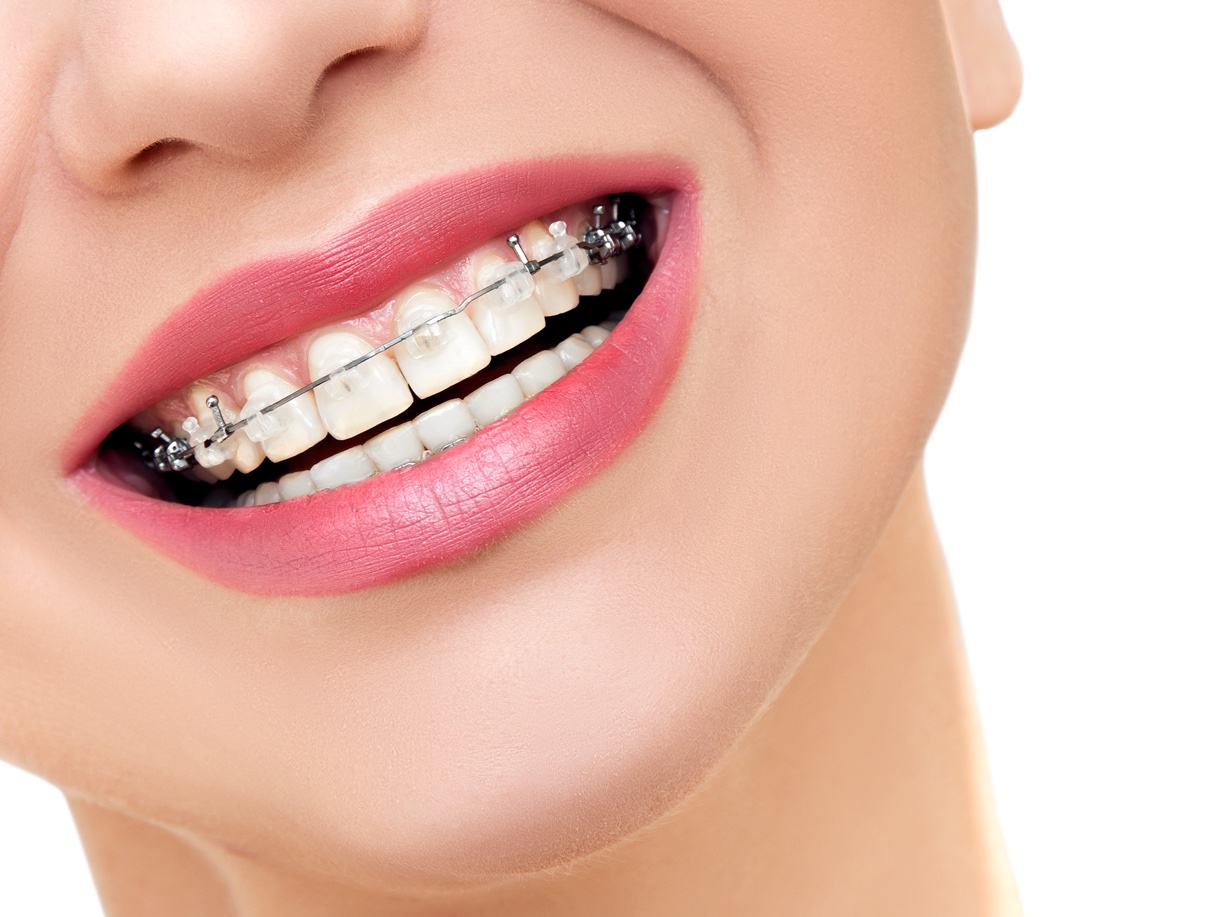
Does Medi-Cal Cover Braces? What Parents in Greater Los Angeles Should Know
Yes — Medi-Cal can cover braces. Medi-Cal Dental, also called Denti-Cal, covers braces for eligible patients under 21 when the treatment is medically necessary, and PhD Dental participates in Medi-Cal Dental at all eight of our offices across Greater Los Angeles. It starts with an orthodontic consultation: our orthodontist evaluates your child’s teeth, bite, and jaw development, and when the condition may meet the program’s medical-necessity criteria, we submit an authorization request — and Medi-Cal Dental makes the final decision.
How does Medi-Cal Dental decide whether braces are covered?
Medi-Cal Dental reviews each case against its medical-necessity criteria. At the consultation, our orthodontist evaluates your child’s teeth, bite, and jaw development and documents the clinical findings; any additional records or services needed will be explained before they are performed. When the condition may meet the criteria, we submit the required records and the authorization request in-house, electronically, as soon as the evaluation is complete. The plan decides — a decision typically takes about 2 to 4 weeks — and we let you know as soon as it comes back. Meeting the criteria supports the request, but approval is never guaranteed, because the final decision is always Medi-Cal Dental’s. Certain severe conditions may meet the criteria based on their own documented findings. If your family’s health plan is L.A. Care, your child’s dental coverage generally runs through Medi-Cal Dental, and our team can verify your benefits before the visit.
When should my child be evaluated for braces?
We recommend a first orthodontic evaluation by about age 7. At that age, the orthodontist can spot problems with jaw growth and emerging teeth early, even if treatment does not start right away — many children benefit from simple observation until their permanent teeth have developed further, and we will tell you honestly if your child can wait. An early evaluation is not the same as eligibility for Medi-Cal-funded braces: eligibility depends on your child’s condition meeting Medi-Cal Dental’s medical-necessity criteria, and timing depends on your child’s dental development and condition.
What if Medi-Cal does not approve my child’s braces?
We will explain the decision to you in plain language. Sometimes additional documentation or a request for reconsideration is appropriate, and we will discuss whether that applies to your child’s case before anything else. If treatment is not covered and private payment is permitted under the applicable Medi-Cal rules, we can then talk through your options: you would receive a written estimate and an explanation of available payment arrangements before any treatment begins, and the decision is entirely yours. A denial is never simply turned into a bill — we follow the program’s rules first.
Does Medi-Cal cover braces for adults?
Routine orthodontic treatment for adults age 21 and older is generally not a covered Medi-Cal Dental benefit, and special rules may apply to treatment that was authorized before age 21. That does not mean adults cannot get straighter teeth. We treat adults of all ages with traditional braces, including gold braces, and clear aligners such as Invisalign. Treatment is recommended based on what your teeth actually need after an evaluation — and provided when you choose it. You will receive a written estimate before treatment begins, and payment plans and financing can spread the cost.
How much do braces cost?
There is no single price, because the cost depends on how much correction the teeth need, the type of appliance, and how long treatment takes. After an orthodontic consultation and evaluation, you will receive a written estimate before any treatment begins, so you know the full cost up front. In-house payment plans and financing can spread the cost over time.
Does getting braces hurt?
Getting braces placed is usually well tolerated. Some soreness or pressure is common for a few days afterward and after each adjustment, as your teeth begin to move. Most patients manage it well with over-the-counter pain relief and soft foods for a day or two. Our orthodontist will tell you what to expect at every stage — and if discomfort ever feels like more than that, call us and we will help.
Braces or clear aligners — and does Medi-Cal cover Invisalign?
The right fix depends on age, alignment, and goals. Braces are fixed to the teeth and are often preferred for complex movements. Clear aligners such as Invisalign are nearly invisible and can be removed for eating and brushing, but they only work if they are worn as directed. We offer both, and the orthodontist will explain which option fits your case and why after an evaluation. On coverage, one caution: do not assume Medi-Cal Dental covers a particular appliance or brand, including Invisalign. Coverage follows specific program requirements, and what may be authorized depends on the patient’s condition, medical necessity, and the plan’s decision on the individual case.
Meet our orthodontists
PhD Dental’s orthodontists — Dr. Ghazaleh Vargha, Dr. Daniel Khorshad, and Dr. Pedrum Barr — see patients across our eight offices on scheduled days, and orthodontic consultations are available at all offices. Call or book online to schedule a consultation at the office nearest you, and we will walk you through each step.
Frequently asked questions
Does Medi-Cal cover Invisalign?
Do not assume so. Coverage follows specific program requirements, and what may be authorized depends on the patient’s condition, medical necessity, and the plan’s decision on the individual case. Our team can verify benefits before treatment begins.
How long does Invisalign take?
Most cases take about 6 to 18 months, depending on how much movement the teeth need. Aligners are changed to a new set every one to two weeks, with short progress checks along the way. At your orthodontic consultation, you will get an honest estimate of your timeline before you commit to anything.
What foods should my child avoid with braces?
Sticky, hard, and very chewy foods can damage wires and brackets. Caramel, hard candy, and ice are best avoided, and foods like raw apples or carrots should be cut into small pieces.
What if a bracket or wire breaks?
Call the office and we will tell you how soon it needs to be seen. If a wire is poking, orthodontic wax can cover it in the meantime. Save any piece that comes off and bring it with you to the repair visit.