
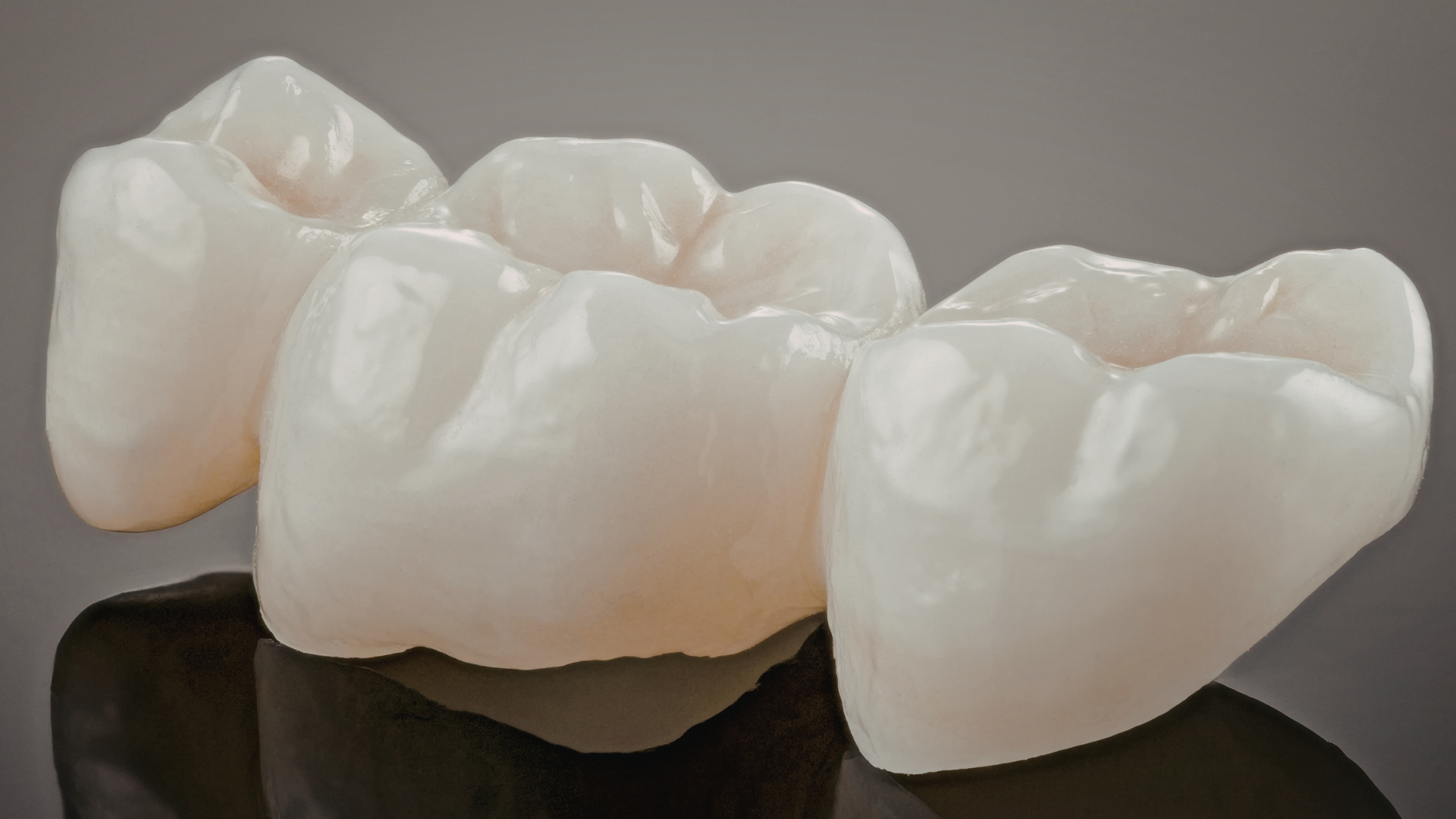
How Long Does a Dental Crowns Procedure in Los Angeles Take?
The length of a dental crowns procedure in Los Angeles depends on several factors, including the condition of the affected tooth, the type of crown selected, and the treatment approach recommended by your dentist. Many traditional crown procedures require two appointments, while some practices offer same-day crowns using advanced digital technology. During the process, your dentist prepares the tooth, takes precise impressions or digital scans, and ensures the finished crown fits comfortably and functions properly. Understanding each step of the procedure helps patients know what to expect while feeling more confident before treatment. With proper planning and personalized care, restoring your smile with a dental crown can be a smooth and efficient experience.
Although every patient’s treatment timeline is unique, working with an experienced dental team helps ensure the procedure progresses as efficiently as possible. At PhD Dental, we use modern technology and personalized treatment planning to help patients receive durable, natural-looking crowns that restore both function and appearance. Our team carefully evaluates your oral health, explains every stage of the process, and answers your questions before treatment begins. Whether you need a crown after a root canal, to repair a damaged tooth, or to improve your smile, we are committed to providing exceptional care from start to finish. To learn more about the dental crowns procedure in Los Angeles, call us at (323) 269-5437 today.

What Is the Timeline for a Dental Crowns Procedure in Los Angeles?
At PhD Dental, we understand that many patients want to know how long a dental crowns procedure in Los Angeles will take before beginning treatment. While every case is unique, traditional dental crowns are often completed over two appointments, allowing time to prepare the tooth and create a custom restoration. Some patients may also qualify for same-day crowns depending on their oral health needs and the technology available. Additionally, we carefully evaluate each tooth to ensure the finished crown provides a comfortable fit, natural appearance, and long-lasting durability. Our goal is to make the entire process as efficient as possible while delivering high-quality results that restore both function and confidence.
The overall treatment timeline depends on several factors, including the condition of the tooth, whether additional procedures are needed, and the type of crown selected. We take the time to explain each step of the procedure so patients know exactly what to expect during every visit. Furthermore, we answer questions, discuss aftercare instructions, and ensure each crown is properly adjusted before treatment is complete. Our personalized approach helps patients feel informed while supporting successful long-term outcomes. With experienced care and careful treatment planning, restoring your smile with a custom dental crown can be a comfortable and rewarding experience.

Factors That Can Affect Your Dental Crown Treatment Timeline
The time required to complete a dental crown treatment varies from one patient to another. While many traditional crown procedures are completed over two appointments, several clinical and personal factors may influence the overall timeline. Understanding these variables helps patients know what to expect while preparing for treatment and recovery. Additionally, discussing your oral health needs with your dentist allows for a more accurate estimate of how long the process may take. Careful planning helps ensure your crown fits comfortably while providing long-lasting protection for your tooth.
The Condition of the Tooth
The health of the tooth receiving the crown is one of the biggest factors affecting treatment time. Teeth with extensive decay, fractures, or structural damage may require additional preparation before a permanent crown can be placed. Your dentist will carefully evaluate the tooth to determine whether any preliminary treatment is necessary before moving forward. Additionally, preserving as much healthy tooth structure as possible supports a stronger long-term result. Thorough evaluation helps create a stable foundation for the final restoration.
Additional Procedures May Be Needed
Some patients require procedures before receiving a dental crown, which can extend the treatment timeline. A root canal, buildup procedure, or treatment for gum disease may be recommended to improve the long-term success of the restoration. Completing these procedures first helps ensure the tooth remains healthy and capable of supporting the crown. Additionally, addressing underlying concerns reduces the likelihood of future complications. Proper preparation contributes to better overall treatment outcomes.
Every Tooth Has Different Needs
No two dental crown cases are exactly alike because every patient’s oral health is unique. Some teeth require very little preparation, while others need more extensive treatment before restoration begins. Individualized care allows the treatment plan to address each patient’s specific needs. Personalized planning supports predictable and lasting results.
The Type of Crown You Choose
The material selected for your dental crown may also influence how long treatment takes. Porcelain, zirconia, porcelain-fused-to-metal, and other crown materials each involve different fabrication processes depending on the dental laboratory or technology being used. Some restorations require additional customization to achieve the ideal appearance and fit. Additionally, your dentist may recommend a specific material based on the location of the tooth and your functional needs. Selecting the right material balances durability, aesthetics, and treatment efficiency.
Traditional Crowns and Same-Day Crowns Differ
Some dental practices offer same-day crowns using advanced digital scanning and in-office milling technology. Traditional crowns typically require a temporary crown while a dental laboratory creates the final restoration. Both options provide effective treatment, although the overall timeline differs depending on the technology available. Your dentist can explain which approach best suits your situation. Understanding these differences helps set realistic expectations before treatment begins.
Precision Always Takes Priority
Although completing treatment quickly is appealing, achieving an accurate fit remains the most important objective. A properly fitted crown helps protect the tooth while supporting comfortable chewing and natural function. Taking additional time when necessary often leads to better long-term results. Precision contributes to a successful restoration.
Scheduling and Laboratory Turnaround Times
The availability of appointments and dental laboratory production schedules may also affect the overall treatment timeline. After the tooth is prepared, the impressions or digital scans are used to create a custom restoration designed specifically for your smile. Laboratory fabrication often takes several days depending on the complexity of the case and the selected crown material. Additionally, coordinating follow-up appointments ensures the permanent crown can be placed promptly once it is ready. Planning ahead helps reduce unnecessary delays.
Temporary Crowns Protect the Tooth
Temporary crowns help protect the prepared tooth while the permanent restoration is being fabricated. These temporary restorations allow patients to eat, speak, and smile more comfortably between appointments. Your dentist also monitors the temporary crown to ensure the tooth remains protected throughout the process. Proper care during this stage supports a smooth transition to the permanent restoration.
Follow Appointment Recommendations
Attending every scheduled appointment helps keep treatment moving according to plan. Delaying follow-up visits may extend the amount of time a temporary crown remains in place. Prompt appointments also allow your dentist to complete the restoration before unnecessary wear or damage occurs. Staying on schedule supports efficient treatment.
Individual Healing and Oral Health Can Influence Treatment
Every patient heals differently following dental procedures. Gum health, oral hygiene habits, and overall dental health may affect how quickly treatment progresses between visits. Healthy gums and good oral care often support smoother crown placement and better long-term outcomes. Additionally, following your dentist’s recommendations throughout the process helps minimize unnecessary complications. Maintaining excellent oral health contributes to successful treatment.
Good Oral Hygiene Supports Better Results
Keeping the teeth and gums clean before and after treatment creates an ideal environment for a successful restoration. Brushing, flossing, and attending regular dental cleanings help maintain healthy tissues around the prepared tooth. Healthy gums also improve the fit and appearance of the final crown. Consistent oral hygiene supports long-lasting success.
Communication Helps the Process Stay on Track
Sharing any concerns or changes in your oral health with your dentist allows adjustments to be made when necessary. Prompt communication helps address discomfort, temporary crown issues, or unexpected symptoms before they become larger problems. Open discussions also ensure every stage of treatment proceeds as smoothly as possible. Working closely with your dental team helps create a positive experience and a durable final result.
How Modern Dentistry Makes Dental Crown Procedures More Comfortable
Advances in modern dentistry have transformed the dental crown process into a more comfortable and efficient experience for many patients. Today’s technology allows dentists to diagnose problems more accurately, prepare teeth more precisely, and create restorations that fit naturally and function effectively. Additionally, improved techniques help reduce treatment time while enhancing patient comfort throughout every stage of care. Many people who once felt anxious about restorative dentistry are pleasantly surprised by how streamlined the process has become. Understanding these advancements can help patients feel more confident before beginning treatment.
Digital Imaging Improves Treatment Planning
Modern diagnostic technology allows dentists to evaluate teeth with exceptional accuracy before beginning a dental crown procedure. Digital X-rays and advanced imaging provide detailed views of the tooth, surrounding bone, and supporting structures that may not be visible during a standard examination. This information helps dentists identify concerns early while developing personalized treatment plans. Additionally, more precise diagnostics reduce uncertainty and improve clinical decision-making. Better planning often leads to smoother treatment experiences.
Early Detection Supports Better Outcomes
Digital imaging may reveal decay, fractures, infections, or structural weaknesses before they become larger problems. Identifying these issues early allows dentists to address them before placing the permanent crown. Thorough evaluations also help determine whether additional procedures are necessary before restoration begins. Careful diagnosis supports long-lasting treatment success.
Accurate Planning Builds Patient Confidence
Knowing that treatment decisions are based on detailed diagnostic information helps many patients feel more comfortable moving forward. Comprehensive evaluations also provide opportunities to discuss treatment options before any work begins. Clear planning reduces uncertainty while helping patients understand each step of the procedure. Confidence often begins with good communication.
Improved Anesthetic Techniques Increase Comfort
Modern local anesthetics help patients remain comfortable throughout the dental crown procedure. Dentists carefully numb the treatment area before preparing the tooth, allowing patients to receive care with minimal discomfort. Improved delivery techniques also help make the numbing process itself more comfortable than many people expect. Additionally, dentists monitor patient comfort throughout the appointment and make adjustments whenever necessary. Effective pain management creates a more relaxed treatment experience.
Communication Helps Reduce Anxiety
Open communication between patients and the dental team plays an important role during restorative treatment. Patients are encouraged to ask questions, discuss concerns, and let the dental team know if additional numbing or short breaks are needed. Regular communication helps ensure treatment progresses comfortably from beginning to end. Feeling informed often reduces treatment-related anxiety.
Comfort Is a Priority Throughout the Visit
Patient comfort extends beyond pain management during the procedure. Comfortable seating, supportive staff, gentle techniques, and a welcoming environment all contribute to a more positive dental experience. Small details often make a significant difference for patients who feel nervous about treatment. Personalized care helps create a more relaxing appointment.
Modern Materials Create Better-Fitting Crowns
Today’s dental crown materials provide excellent durability while closely matching the appearance of natural teeth. Porcelain, zirconia, and other advanced materials allow dentists to create restorations that blend seamlessly with surrounding teeth. These materials also provide improved strength for normal chewing and daily function. Additionally, custom fabrication techniques help ensure each crown fits accurately for long-term comfort. Modern restorations support both aesthetics and performance.
Precise Fabrication Improves the Final Fit
Advanced manufacturing techniques allow dental laboratories and digital systems to produce crowns with exceptional precision. Well-fitting crowns reduce the need for significant adjustments while improving overall comfort after placement. Accurate restorations also help maintain proper bite alignment and protect surrounding teeth. Precision contributes to better long-term results.
Natural Appearance Enhances Confidence
Many patients choose dental crowns not only to restore function but also to improve the appearance of their smiles. Modern materials closely replicate the color, shape, and translucency of natural teeth. As a result, properly designed crowns often become virtually indistinguishable from surrounding teeth. Attractive restorations help patients smile with greater confidence.
Digital Technology Streamlines the Process
Many dental practices now incorporate digital technology into various stages of crown treatment. Digital impressions, computer-assisted design, and advanced fabrication methods help improve efficiency while enhancing accuracy. These technologies may also reduce the need for traditional impression materials that some patients find uncomfortable. Additionally, digital workflows allow dentists to review restorations carefully before placement. Technology helps create a smoother overall experience.
Digital Impressions Improve Patient Comfort
Digital scanners often replace conventional impression trays in many practices. Instead of using impression material, a handheld scanner captures detailed images of the prepared tooth and surrounding teeth. This process may feel more comfortable while producing highly accurate digital models. Improved scanning technology also reduces the likelihood of needing repeated impressions.
Efficient Workflows Save Time
Digital systems allow many stages of treatment to move more efficiently without compromising quality. Improved communication between the dental office and laboratory helps reduce unnecessary delays while maintaining precision. Streamlined workflows also help patients better understand what to expect throughout the treatment process. Greater efficiency supports a more convenient experience.
Personalized Care Makes Every Procedure More Comfortable
Modern dentistry recognizes that every patient has different needs, concerns, and treatment goals. Dentists tailor each dental crown procedure based on the patient’s oral health, comfort level, and restorative requirements. Personalized treatment planning allows adjustments to be made throughout the process while ensuring every patient receives individualized care. Additionally, ongoing communication helps address concerns before, during, and after treatment. Customized care supports both comfort and long-term success.
Follow-Up Care Supports Lasting Results
Comfort continues after the crown has been placed. Follow-up appointments allow dentists to evaluate the fit, check bite alignment, and make minor adjustments if necessary. Patients also receive guidance regarding oral hygiene and long-term crown maintenance. Continued care helps protect both the restoration and the surrounding teeth. Ongoing support contributes to successful long-term outcomes.
Modern Dentistry Focuses on the Entire Patient Experience
Advances in technology, materials, and patient-centered care have improved every stage of the dental crown process. From diagnosis through follow-up care, modern dentistry emphasizes comfort, efficiency, and long-lasting results. Patients benefit from more predictable treatment while enjoying a more positive overall experience. These improvements continue making dental crown procedures more comfortable than ever before.
How Digital Technology Speeds Up Dental Crown Treatment
Digital technology has changed the way dentists plan, design, and complete dental crown procedures. Modern tools allow for greater precision while reducing many of the inefficiencies associated with traditional treatment methods. Additionally, digital workflows help improve communication between the dental office and the dental laboratory, allowing restorations to be fabricated more efficiently. Patients also benefit from a more comfortable experience because many digital technologies simplify several stages of the procedure. These advancements help dentists deliver high-quality restorations while reducing unnecessary delays.
Digital Scanners Create Faster and More Accurate Impressions
Many dental practices now use digital scanners instead of traditional impression materials when preparing patients for dental crowns. Small handheld scanners capture thousands of detailed images that create an accurate three-dimensional model of the prepared tooth. This process often requires less time than conventional impressions while improving overall precision. Additionally, digital scans reduce the likelihood of errors that may require impressions to be repeated. More accurate impressions help keep treatment moving efficiently.
Improved Accuracy Reduces Adjustments
Accurate digital impressions allow dental laboratories to fabricate crowns that fit more precisely from the beginning. Better-fitting restorations often require fewer modifications during the placement appointment. This improved accuracy also reduces the chance that a crown must be remade due to impression-related issues. Fewer adjustments help save valuable treatment time.
Patients Often Find Digital Scans More Comfortable
Traditional impression trays may trigger discomfort or gag reflexes for some patients. Digital scanners eliminate the need for bulky trays and impression material in many cases. The scanning process usually feels quicker while allowing dentists to capture highly detailed images with minimal inconvenience. Improved comfort creates a better patient experience.
Computer-Aided Design Improves Crown Precision
After digital impressions are completed, advanced computer software helps dentists and dental laboratories design highly customized restorations. Computer-aided design technology allows every contour, contact point, and biting surface to be evaluated before fabrication begins. This detailed planning supports crowns that fit naturally while functioning comfortably during everyday use. Additionally, digital design helps identify potential concerns before the final restoration is created. Better planning often results in a smoother treatment process.
Customized Restorations Support Better Results
Every patient’s tooth shape, bite, and smile are unique, making customized crown design especially important. Digital software allows restorations to be tailored specifically to each individual’s anatomy and functional needs. Careful customization also improves aesthetics while helping preserve proper bite alignment. Personalized designs contribute to long-lasting restorations.
Digital Models Improve Communication
Dentists and dental laboratories can quickly share digital files during the fabrication process. This efficient communication allows questions or adjustments to be addressed much sooner than with traditional physical impressions. Faster collaboration helps reduce production delays while maintaining high standards of quality. Improved communication benefits both patients and providers.
Advanced Manufacturing Helps Reduce Turnaround Time
Digital technology has significantly improved how dental crowns are manufactured. Computer-guided fabrication systems create highly precise restorations while reducing the manual processes involved with traditional crown production. Depending on the practice and available technology, some patients may even qualify for same-day crowns created entirely in the dental office. Additionally, digital manufacturing provides consistent quality while supporting efficient treatment timelines. Modern production methods help streamline the overall process.
Dental Laboratories Benefit From Digital Workflows
Digital files arrive at dental laboratories almost immediately after impressions are completed. Laboratory technicians can begin fabricating restorations without waiting for physical molds to be shipped. This faster workflow often shortens production times while maintaining exceptional precision. Efficient laboratory processes support quicker treatment completion.
Same-Day Technology May Be Available
Some dental practices use in-office milling systems that create permanent crowns during a single appointment. These systems combine digital scanning, computer-aided design, and on-site manufacturing into one streamlined process. Although not every patient qualifies for same-day treatment, this technology offers added convenience for many individuals. Same-day options continue expanding as technology advances.
Digital Tools Help Dentists Plan More Efficiently
Technology improves much more than the fabrication process. Digital X-rays, intraoral cameras, and three-dimensional imaging help dentists evaluate the tooth thoroughly before treatment begins. These tools allow potential concerns to be identified early, reducing unexpected delays later in the procedure. Additionally, detailed imaging supports more accurate treatment planning while improving patient education. Better planning contributes to more predictable outcomes.
Visual Images Improve Patient Understanding
Digital images allow patients to see the condition of their teeth during consultations. Viewing fractures, decay, or structural damage often makes treatment recommendations easier to understand. Dentists can also explain how a dental crown will restore the affected tooth using clear visual examples. Better communication helps patients make informed decisions about their care.
Early Planning Reduces Surprises
Identifying concerns before treatment begins helps prevent unexpected complications during crown preparation. Dentists can anticipate additional procedures if they become necessary and adjust the treatment plan accordingly. Thorough preparation creates a smoother experience while reducing unnecessary interruptions. Careful planning supports efficient care.
Digital Dentistry Continues Improving the Patient Experience
Digital technology continues making dental crown treatment more efficient, accurate, and comfortable for patients. Modern tools reduce many of the delays associated with traditional techniques while improving the overall quality of care. Patients often spend less time in the dental chair while benefiting from restorations designed with exceptional precision. Additionally, digital workflows allow dentists to deliver predictable results without sacrificing long-term durability. As technology continues evolving, patients can expect even greater convenience throughout future dental crown procedures.
Efficiency Never Replaces Quality
Although digital technology helps accelerate many parts of the treatment process, careful attention remains essential during every appointment. Dentists continue evaluating fit, bite alignment, comfort, and appearance before completing the procedure. Every restoration should meet high clinical standards regardless of how efficiently it is produced. Quality remains the priority throughout treatment.
Technology Supports Better Long-Term Results
The greatest advantage of digital dentistry extends beyond saving time. More accurate planning, improved fabrication, and enhanced communication all contribute to crowns that fit comfortably and function reliably for many years. Combining advanced technology with experienced clinical care provides patients with durable restorations that support lasting oral health and confident smiles.

Schedule an Appointment for Your Dental Crowns in Los Angeles Today
At PhD Dental, we help patients restore damaged, weakened, and worn teeth with customized dental crowns designed to improve both function and appearance. Our team begins by evaluating your oral health, discussing your treatment goals, and determining whether a dental crown is the right solution for your needs. Additionally, we explain every stage of the procedure so you know exactly what to expect before treatment begins. We focus on creating comfortable experiences while providing natural-looking restorations that blend seamlessly with your smile. Every treatment plan is personalized to deliver durable, long-lasting results that support your oral health.
Receiving a dental crown can help protect a compromised tooth while restoring your ability to bite, chew, and smile with confidence. We take the time to answer your questions, review your treatment options, and ensure your custom crown fits comfortably and functions properly before your care is complete. Furthermore, we provide personalized aftercare recommendations to help you maintain your restoration for many years. Our commitment to patient care extends beyond your appointment by helping you protect your long-term oral health. Call us at (323) 269-5437 or reach out online today to schedule your consultation.