
Repair Your Smile With Full Mouth Reconstruction in Los Angeles: Here’s What to Know
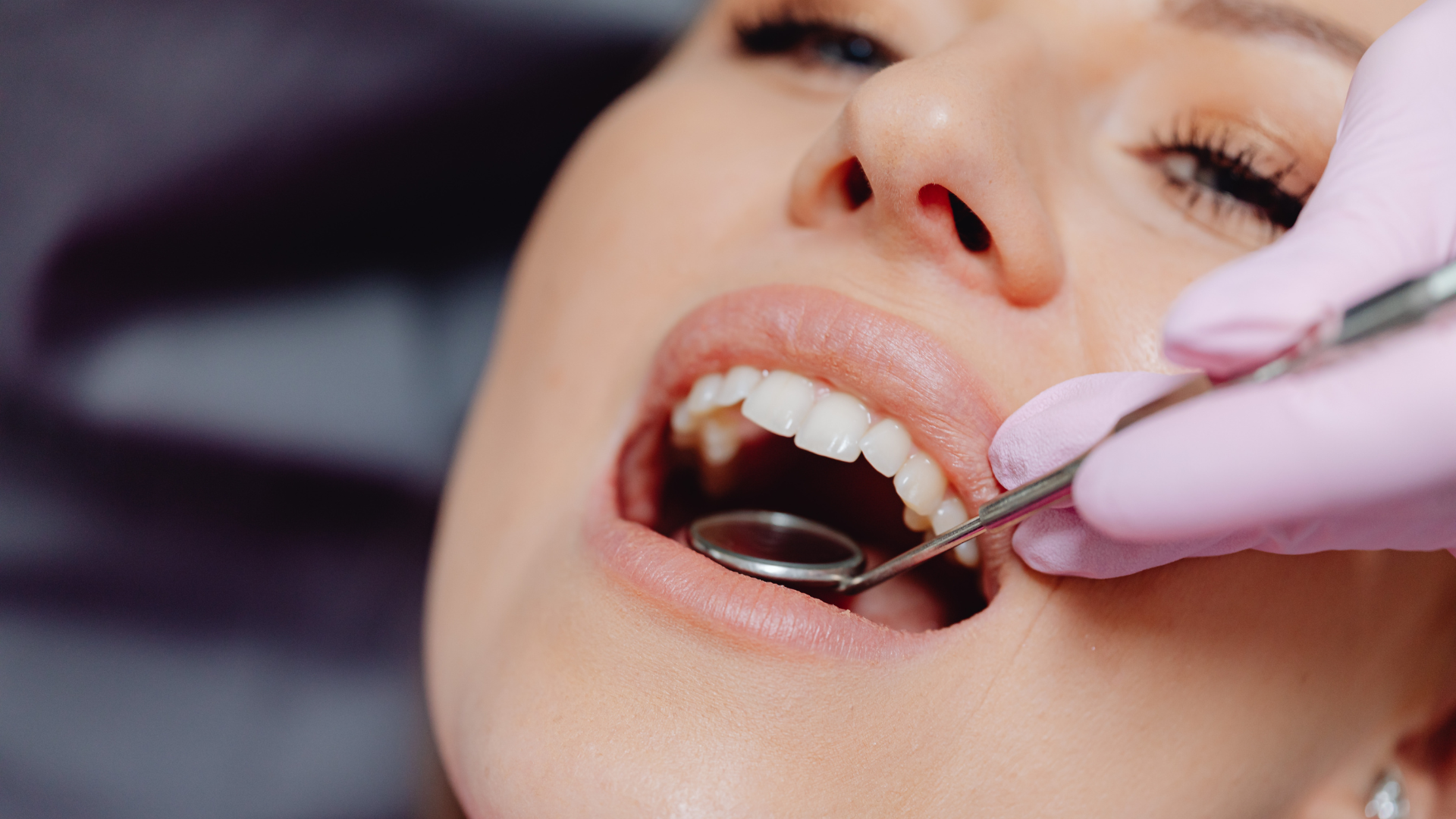
Full mouth reconstruction in Los Angeles offers a comprehensive solution for individuals dealing with multiple dental concerns that affect both function and appearance. This treatment combines restorative and cosmetic procedures to rebuild your smile, improve bite alignment, and restore overall oral health. It can address issues such as worn teeth, missing teeth, gum disease, and jaw discomfort in a coordinated treatment plan. The process typically begins with a detailed consultation where your dentist evaluates your oral health, discusses your concerns, and creates a personalized plan tailored to your needs. Understanding each step of full mouth restoration helps you feel more confident as you begin the journey toward a healthier, more functional smile.
If you are considering full mouth reconstruction in Los Angeles, working with an experienced dental provider makes a meaningful difference in both results and experience. At PhD Dental, patients receive customized treatment plans designed to restore function, improve aesthetics, and support long-term oral health. We take the time to explain each phase of the process so you know what to expect and feel comfortable moving forward. Our team focuses on delivering precise, high-quality care while helping you achieve a smile that looks and feels natural. Call PhD Dental today at (323) 269-5437 to schedule your consultation and take the first step toward restoring your smile.
Why Go for Full Mouth Reconstruction in Los Angeles
At PhD Dental, we help patients understand how full mouth reconstruction in Los Angeles can improve both oral health and overall quality of life. We approach each case with a comprehensive plan that addresses multiple dental concerns at once, rather than treating issues individually. This allows us to restore proper function, improve bite alignment, and enhance the appearance of your smile in a coordinated way. We focus on identifying underlying problems and creating solutions that support long-term results. By taking this approach, we help patients achieve a healthier and more balanced smile.
We recognize that dental issues can affect confidence, comfort, and daily activities such as eating and speaking. At PhD Dental, we work closely with our patients to design personalized treatment plans that reflect their goals and needs. We combine advanced techniques with careful planning to ensure each step of the restoration process supports lasting improvements. Our team remains committed to delivering care that restores both function and aesthetics while helping patients feel confident in their smile.

Who Is a Good Candidate for Full Mouth Reconstruction in Los Angeles?
Full mouth reconstruction in Los Angeles can benefit individuals dealing with multiple dental concerns that affect both function and appearance. This treatment works best for patients who need more than a single procedure and require a comprehensive approach to restore their smile. Dentists evaluate oral health, bite alignment, and long-term goals to determine whether full mouth reconstruction is the right solution. A personalized plan helps address underlying issues while improving overall comfort and confidence. Understanding candidacy helps patients make informed decisions about their treatment.
In addition, full mouth reconstruction suits patients who want to improve both health and aesthetics through a structured and long-term plan. Candidates often experience ongoing dental issues that impact daily life, including eating, speaking, and maintaining oral hygiene. A detailed consultation helps identify whether this approach aligns with the patient’s needs. Careful evaluation ensures that treatment delivers lasting results. This process supports a healthier and more functional smile.
Patients With Extensive Dental Damage
Individuals with widespread dental damage often benefit from full mouth reconstruction because it allows dentists to address multiple concerns within a single, coordinated treatment plan. Instead of treating each issue separately, this approach focuses on restoring the entire mouth in a way that improves both strength and appearance. Patients with significant damage often experience difficulty chewing, sensitivity, and visible wear that affects confidence. A comprehensive plan helps rebuild the smile while improving long-term durability and function. This approach creates more consistent and reliable results.
Worn, Cracked, or Broken Teeth
Teeth that show significant wear, cracks, or fractures can weaken over time and lead to further complications if left untreated. Full mouth reconstruction helps restore these teeth using treatments such as crowns, veneers, or bonding, depending on the level of damage. These solutions not only improve the appearance of the teeth but also reinforce their structure so they can withstand daily use. Addressing these issues early helps prevent additional damage and reduces the risk of more invasive procedures later. Strengthening compromised teeth supports better long-term oral health.
Long-Term Effects of Untreated Damage
When damaged teeth go untreated, they can continue to deteriorate and affect surrounding teeth and tissues. Small cracks can expand, leading to fractures or infections that require more extensive treatment. Over time, this damage can impact bite alignment and create uneven pressure across the mouth. Addressing these concerns through full mouth reconstruction helps prevent these complications and supports a more stable and functional bite. Early intervention plays a key role in preserving oral health.
Severe Tooth Loss or Missing Teeth
Patients with multiple missing teeth often face challenges that go beyond appearance, including difficulty chewing, speaking, and maintaining proper bite alignment. Full mouth reconstruction replaces missing teeth with solutions such as implants, bridges, or dentures that restore both function and aesthetics. Replacing missing teeth helps distribute bite pressure evenly and prevents additional shifting of surrounding teeth. This improves overall comfort and stability while supporting better oral health. A complete restoration helps patients regain confidence in their smile.
Impact on Bite and Jaw Function
Missing teeth can cause surrounding teeth to shift out of position, which may lead to bite misalignment and added stress on the jaw. Over time, this imbalance can contribute to discomfort, uneven wear, and potential jaw issues. Restoring missing teeth helps realign the bite and reduce strain on the jaw muscles and joints. This improves both comfort and function during daily activities such as eating and speaking. Proper alignment supports long-term oral stability.
Patients With Chronic Oral Health Issues
Ongoing dental conditions often require a comprehensive solution rather than isolated treatments, which makes full mouth reconstruction a valuable option. Patients dealing with long-term issues such as gum disease, decay, or bite problems may find that addressing each concern separately does not provide lasting results. A coordinated treatment plan allows dentists to treat underlying causes while restoring overall oral health. This approach helps improve both function and appearance in a more effective way. Addressing chronic issues early helps prevent further complications.
Advanced Gum Disease or Decay
Conditions such as advanced gum disease or widespread tooth decay can damage both the teeth and the supporting structures that keep them in place. Full mouth reconstruction addresses these issues by combining treatments that restore health while rebuilding the smile. Dentists may include periodontal care, restorations, and preventive measures to stabilize the mouth before completing cosmetic improvements. Treating these conditions as part of a comprehensive plan helps ensure that results last longer. This approach supports both health and aesthetics.
Preventing Further Oral Health Decline
If left untreated, gum disease and decay can continue to progress and lead to tooth loss or infection. Addressing these issues through full mouth reconstruction helps stop this progression while restoring function and appearance. A structured treatment plan ensures that all areas of concern receive proper attention. This helps create a stable environment for long-term oral health. Preventive care plays an important role in maintaining results.
Jaw Pain and Bite Misalignment
Patients who experience jaw discomfort or bite issues often benefit from full mouth reconstruction because it addresses the root cause of the problem rather than just the symptoms. Misalignment can place uneven pressure on teeth and joints, which may lead to pain, headaches, or difficulty chewing. Reconstruction helps correct these issues by restoring proper alignment and balance. This improves both comfort and overall function. Addressing these concerns early helps prevent further complications.
Effects on Daily Activities
Bite misalignment can affect simple daily activities such as eating, speaking, and even resting comfortably. Patients may experience discomfort or fatigue in the jaw, especially during extended use. Correcting alignment through full mouth reconstruction helps improve efficiency and comfort in these activities. This leads to a noticeable improvement in quality of life. Restoring proper function supports long-term well-being.
Common Procedures Included in Full Mouth Reconstruction
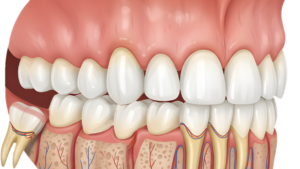
Full mouth reconstruction in Los Angeles typically involves a combination of restorative and cosmetic procedures designed to rebuild the smile, restore proper function, and improve overall oral health. Each treatment plan is fully customized based on the patient’s condition, goals, and the severity of dental issues present. Dentists carefully evaluate the condition of the teeth, gums, and jaw before selecting the most effective combination of procedures. This comprehensive approach ensures that both structural damage and aesthetic concerns are addressed together rather than in isolation. By treating the mouth as a whole, patients experience more balanced, long-lasting results.
In addition, combining multiple procedures into one coordinated plan allows dentists to correct underlying issues while enhancing the appearance of the smile at the same time. This approach improves efficiency and reduces the need for repeated treatments over time. Patients benefit from a structured process that addresses immediate concerns while also supporting long-term stability and function. Understanding the procedures involved helps patients feel more prepared and confident throughout the process. A well-designed treatment plan creates predictable, functional, and natural-looking outcomes.
Restorative Dental Treatments
Restorative procedures form the foundation of full mouth reconstruction because they focus on repairing damage, replacing missing teeth, and restoring proper function. These treatments rebuild the structural integrity of the smile and ensure that the teeth can withstand daily use such as chewing and speaking. Dentists prioritize these procedures first to create a stable base before adding cosmetic enhancements. This step-by-step approach ensures that the final results are both durable and functional. Strong restorative work supports long-term oral health.
Dental Crowns and Bridges
Dental crowns and bridges play a central role in restoring teeth that are damaged, weakened, or missing. Crowns cover and protect individual teeth, while bridges replace one or more missing teeth by anchoring to surrounding teeth. These restorations improve both the strength and appearance of the smile, allowing patients to regain normal function. Dentists design these solutions to blend naturally with existing teeth, which helps create a cohesive and balanced look. Proper placement ensures long-lasting results.
Reinforcing Tooth Structure
Crowns help reinforce teeth that have been weakened by decay, fractures, or previous dental work. By covering the entire tooth, they provide added protection and reduce the risk of further damage. This reinforcement allows patients to use their teeth more comfortably and confidently during daily activities. Strengthening compromised teeth also helps maintain proper bite alignment. Durable restorations support long-term stability.
Dental Implants
Dental implants provide a permanent solution for replacing missing teeth and serve as a key component of many full mouth reconstruction plans. Implants integrate with the jawbone to create a secure foundation that mimics the function of natural tooth roots. This stability allows patients to chew, speak, and smile without concern. Implants also help preserve bone structure, which prevents the facial changes that can occur after tooth loss. This treatment supports both function and appearance.
Long-Term Stability and Function
Dental implants offer exceptional durability and long-term reliability when properly maintained. Because they fuse with the jawbone, they provide a level of stability that other tooth replacement options may not achieve. This helps restore natural bite function and prevents shifting of surrounding teeth. Patients often find that implants feel and function like natural teeth, which improves overall comfort. This stability plays a critical role in long-term oral health.
Cosmetic Enhancements
Cosmetic procedures enhance the appearance of the smile while complementing the functional improvements achieved through restorative treatments. These enhancements focus on creating a more uniform, symmetrical, and aesthetically pleasing result. Dentists carefully design cosmetic treatments to match the natural characteristics of the patient’s teeth. This ensures that the final outcome looks natural and balanced. Cosmetic improvements help boost confidence while completing the overall transformation.
Veneers and Aesthetic Adjustments
Veneers and other aesthetic treatments help refine the shape, color, and alignment of teeth as part of the reconstruction process. These solutions address concerns such as discoloration, uneven spacing, and irregular tooth shapes. Dentists customize veneers to achieve a natural appearance that blends seamlessly with surrounding teeth. This attention to detail ensures that cosmetic improvements enhance the entire smile. A well-designed aesthetic plan creates a polished result.
Achieving a Natural Look
Dentists carefully select materials, shades, and shapes to ensure that veneers and other cosmetic enhancements match the natural appearance of the patient’s teeth. This process involves precise measurements and detailed planning to create a balanced and realistic outcome. A natural look helps ensure that the results do not appear artificial or overly uniform. This level of customization improves overall satisfaction. Attention to detail plays a key role in achieving successful results.
Functional and Alignment Corrections
Correcting bite and alignment issues is an essential part of full mouth reconstruction because it ensures that the teeth function properly together. Misalignment can cause uneven pressure, discomfort, and long-term damage if left untreated. Dentists incorporate treatments that improve alignment and restore balance to the bite. This helps create a more comfortable and efficient chewing process. Proper alignment supports both function and longevity.
Orthodontic Adjustments
Orthodontic treatments may be included to reposition teeth and improve alignment before or during reconstruction. These adjustments help create a more stable foundation for restorative work. Aligning the teeth properly ensures that pressure is distributed evenly across the bite. This reduces the risk of wear and damage over time. Orthodontic care supports long-term success.
Improving Bite Balance
Improving bite balance allows the teeth to work together more efficiently, which reduces strain on both the teeth and jaw. When the bite is properly aligned, patients experience greater comfort and improved function during daily activities. Balanced pressure also helps prevent future issues such as uneven wear or jaw discomfort. This step plays a key role in maintaining results. Proper alignment supports long-term oral health.
TMJ and Bite Therapy
TMJ and bite therapy may be necessary for patients who experience jaw pain, tension, or discomfort related to misalignment. These treatments focus on correcting the relationship between the teeth and jaw to improve function. Addressing TMJ issues helps reduce strain and restore proper movement. This improves both comfort and efficiency.
Reducing Pain and Discomfort
Correcting bite issues through targeted therapy helps relieve tension in the jaw muscles and joints, which can reduce pain and improve daily comfort. Patients often notice improvements in chewing, speaking, and overall function after treatment. Addressing these issues early helps prevent more serious complications over time. This contributes to a healthier and more comfortable experience. Proper treatment supports lasting relief.
Technology Used in Full Mouth Reconstruction Procedures
Full mouth reconstruction in Los Angeles relies on advanced dental technology to improve accuracy, efficiency, and overall treatment outcomes. Modern tools allow dentists to plan treatments with greater precision while minimizing discomfort and reducing the margin for error. These technologies help create detailed images, guide procedures, and ensure that restorations fit properly within the patient’s unique anatomy. By using advanced equipment, dentists can deliver more predictable and long-lasting results. This approach enhances both the patient experience and the final outcome.
In addition, technology plays a key role in customizing treatment plans and improving communication between the dentist and the patient. Digital tools allow patients to visualize potential results before treatment begins, which helps set clear expectations. These innovations also streamline the process by reducing the need for multiple adjustments or repeat procedures. Incorporating advanced technology ensures that each step of full mouth reconstruction supports precision and efficiency. This leads to better overall satisfaction and long-term success.
Digital Imaging and 3D Scanning
Digital imaging and 3D scanning provide detailed views of the teeth, gums, and jaw, allowing dentists to assess oral health with a high level of accuracy. These tools replace traditional impressions and offer more precise measurements for treatment planning. Accurate imaging helps identify underlying issues that may not be visible during a standard exam. This level of detail supports better decision-making and treatment outcomes.
Intraoral Scanners
Intraoral scanners capture high-resolution digital impressions of the teeth and gums without the need for traditional molds. This process improves patient comfort while delivering more accurate results. The digital models created from these scans help guide restorative and cosmetic procedures. This technology enhances both efficiency and precision.
Benefits of Digital Impressions
Digital impressions eliminate the discomfort often associated with traditional impression materials while providing faster and more accurate results. These models can be easily stored, shared, and adjusted as needed. This improves communication and reduces turnaround time for restorations. Accurate impressions support better-fitting results.
Cone Beam CT (CBCT) Imaging
CBCT imaging creates detailed 3D views of the jawbone, teeth, and surrounding structures. This technology helps dentists evaluate bone density, nerve positioning, and overall anatomy. These insights are essential for planning procedures such as dental implants. Advanced imaging improves safety and precision.
Enhanced Treatment Planning
With CBCT imaging, dentists can map out procedures with a high level of detail, which reduces the risk of complications. This allows for more accurate placement of implants and restorations. Better planning leads to improved outcomes. Precision plays a key role in success.
Computer-Aided Design and Manufacturing (CAD/CAM)
CAD/CAM technology allows dentists to design and create restorations such as crowns, bridges, and veneers with exceptional accuracy. This system streamlines the process and reduces the time required for treatment. Digital design ensures that restorations match the patient’s natural teeth. This technology improves both aesthetics and function.
Designing Custom Restorations
Dentists use CAD software to create precise digital models of restorations based on the patient’s anatomy. This ensures that each restoration fits comfortably and functions properly. Customization improves both appearance and durability. Accurate design supports better results.
Precision and Fit
CAD/CAM technology ensures that restorations fit with minimal adjustment, which reduces the need for multiple appointments. A precise fit improves comfort and long-term performance. This level of accuracy enhances the overall outcome. Well-fitted restorations support stability.
Same-Day Restorations
In some cases, CAD/CAM systems allow dentists to create and place restorations in a single visit. This reduces the need for temporary solutions and additional appointments. Patients benefit from faster treatment and immediate results. This improves convenience and efficiency.
Reducing Treatment Time
Same-day restorations help streamline the reconstruction process by minimizing delays between steps. This allows patients to complete treatment more quickly without sacrificing quality. Faster timelines improve the overall experience. Efficiency remains a key advantage.
Guided Implant Technology
Guided implant technology uses digital planning and surgical guides to place dental implants with precision. This approach ensures accurate positioning and alignment based on detailed imaging. Proper placement supports long-term stability and function. This technology improves outcomes and reduces risks.
Digital Surgical Planning
Dentists use specialized software to plan implant placement based on 3D imaging data. This allows them to determine the ideal position, angle, and depth before the procedure begins. Careful planning improves accuracy and efficiency. This step supports successful results.
Minimizing Surgical Risks
Guided technology reduces the risk of complications by ensuring precise placement during the procedure. This improves safety and enhances patient confidence. Accurate execution leads to better outcomes. Reduced risk supports recovery.
Laser Dentistry and Advanced Tools
Laser technology and other advanced tools improve precision and comfort during certain procedures involved in full mouth reconstruction. These tools allow for minimally invasive treatments that reduce discomfort and promote faster healing. Incorporating these technologies enhances the overall experience.
Soft Tissue Lasers
Soft tissue lasers allow dentists to perform procedures on the gums with greater precision and less discomfort. This technology reduces bleeding and improves healing time. Patients often experience a more comfortable recovery. This approach supports better outcomes.
Improving Healing and Comfort
Laser treatments minimize damage to surrounding tissue, which helps speed up the healing process. Patients benefit from reduced swelling and discomfort after procedures. This improves the overall treatment experience. Comfort remains a priority.
Digital Smile Design and Treatment Visualization
Digital smile design tools allow dentists to create visual simulations of the final results before treatment begins. This helps patients understand how their smile will look after reconstruction. Visualization improves communication and confidence in the treatment plan.
Previewing Results Before Treatment
Patients can see a digital preview of their future smile, which helps set clear expectations. This allows for adjustments before any procedures begin. Visual planning improves satisfaction. Clear expectations support better outcomes.
Enhancing Patient Confidence
Seeing potential results helps patients feel more comfortable moving forward with treatment. This transparency builds trust and reduces uncertainty. Confidence plays an important role in the overall experience. Visual tools improve decision-making.
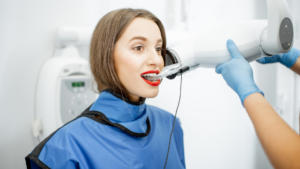
Schedule Your Appointment With an Experienced Restorative Dentist in Los Angeles Today
At PhD Dental, we understand that choosing full mouth reconstruction is an important step toward improving your oral health, comfort, and confidence. We take a personalized approach with every patient by carefully evaluating your needs and developing a treatment plan that restores both function and appearance. Our team focuses on using advanced techniques and detailed planning to ensure long-lasting results that align with your goals. We guide you through each stage of the process so you always know what to expect and feel confident in your care. This level of support helps create a smoother and more successful experience.
We also make it a priority to provide a welcoming and professional environment where you feel comfortable asking questions and discussing your concerns. At PhD Dental, we remain committed to helping you achieve a healthier, more functional smile through full mouth reconstruction that fits your lifestyle. Our team works closely with you to ensure every detail of your treatment supports long-term success. Call us today at (323) 269-5437 or fill out our online form to schedule your appointment and take the next step toward restoring your smile.