
Top 5 Tips for Natural Teeth Whitening in Los Angeles
Many people want a brighter smile but prefer to begin with simple and natural approaches before pursuing cosmetic dental treatments. Daily habits, dietary choices, and oral hygiene routines can all influence the appearance of your teeth over time. While natural whitening methods may help reduce some surface stains, they often provide gradual results and may not address deeper discoloration. Understanding which strategies are safe and effective can help you maintain a healthier and more attractive smile. By combining good oral care with professional guidance, you can take meaningful steps toward achieving whiter teeth and greater confidence.
Although natural whitening techniques can support a brighter smile, professional treatment often delivers faster, more noticeable, and longer-lasting results. At PhD Dental, we help patients explore whitening options that align with their goals while protecting their oral health. Our team provides personalized recommendations based on the condition of your teeth and the causes of discoloration. Whether you want to enhance your smile for a special occasion or improve your overall appearance, we are here to help. To learn more about your options, call us at (323) 269-5437 today.
How Teeth Whitening Treatment in Los Angeles Can Help You Achieve a Brighter Smile
At PhD Dental, our teeth whitening treatment in Los Angeles helps patients achieve brighter smiles through safe, effective, and professionally supervised care. While natural whitening methods may help reduce certain surface stains, professional treatments can address deeper discoloration that develops over time. We evaluate each patient’s oral health, discuss whitening goals, and recommend solutions designed to produce noticeable improvements. Additionally, our treatments help minimize sensitivity concerns while delivering more predictable results than many over-the-counter products. Professional whitening can provide a significant boost in confidence while enhancing the overall appearance of your smile.
Many factors contribute to tooth discoloration, including coffee, tea, wine, tobacco use, aging, and certain medications. We work closely with patients to identify the causes of staining and develop personalized treatment plans that support long-term results. Furthermore, we provide guidance regarding maintenance strategies that help preserve whitening results after treatment. Our goal is to help patients enjoy brighter smiles while maintaining strong oral health. With professional care and ongoing support, we can help you achieve the smile you have been looking for.
5 Safe Ways to Brighten Your Smile Without Damaging Enamel
Many people want a whiter smile but worry about causing damage to their teeth in the process. While numerous whitening products and home remedies claim to deliver dramatic results, not all methods are equally safe for enamel. The outer layer of each tooth plays an important role in protecting against decay, sensitivity, and everyday wear. Consequently, choosing whitening approaches that preserve enamel health remains essential for achieving both cosmetic and long-term oral health goals. Understanding safe whitening practices can help patients improve the appearance of their smiles while protecting their teeth from unnecessary damage.
Practice Consistent Oral Hygiene Every Day
One of the safest ways to maintain a brighter smile involves establishing a strong oral hygiene routine. Brushing and flossing regularly helps remove plaque, bacteria, and surface stains before they become more difficult to address. Although oral hygiene alone may not dramatically whiten teeth, it often helps prevent discoloration from worsening over time. Additionally, clean teeth generally appear brighter and healthier than those affected by plaque buildup. Consistent habits remain an important foundation for maintaining a more attractive smile.
Choose a Whitening Toothpaste Carefully
Many whitening toothpastes contain mild polishing agents that help remove surface stains caused by foods, beverages, and tobacco use. However, some products may contain more abrasive ingredients that can contribute to enamel wear when used excessively. Therefore, selecting a dentist-recommended whitening toothpaste can help support safer stain removal. Gentle products often provide gradual improvements while protecting enamel. Careful product selection remains important.
Whitening toothpastes generally work best for maintaining brightness rather than dramatically changing tooth color. They may help remove stains from coffee, tea, and similar substances while supporting overall oral hygiene. Additionally, regular brushing helps reduce plaque accumulation that can contribute to a dull appearance. Patients should follow product instructions carefully to avoid overuse. Consistency often produces the best results.
Avoid Excessive Brushing Pressure
Many people mistakenly believe that brushing harder will remove stains more effectively. However, excessive brushing pressure can gradually wear down enamel and irritate gum tissue. Using a soft-bristled toothbrush and gentle technique often provides better long-term protection. Effective brushing focuses on consistency rather than force. Proper technique helps preserve both enamel and gum health.
Flossing Helps Reduce Stain Buildup
Flossing removes food particles and plaque from areas that toothbrushes cannot easily reach. These hard-to-clean spaces may contribute to discoloration if plaque remains in place over time. Regular flossing supports cleaner teeth and healthier gums while enhancing the appearance of a smile. Additionally, maintaining healthy gums can improve overall oral aesthetics. Daily flossing remains an important part of oral care.
Limit Foods and Beverages That Cause Staining
Certain foods and beverages commonly contribute to tooth discoloration over time. Coffee, tea, red wine, dark-colored sodas, and certain sauces may leave pigments on enamel surfaces that gradually create stains. While completely avoiding these items may not be practical, reducing consumption can help minimize discoloration. Patients who enjoy these beverages can often benefit from simple preventive measures. Awareness of staining habits may support a brighter smile.
Rinse With Water After Consuming Staining Foods
Drinking water after consuming stain-causing foods or beverages may help reduce the amount of pigment left behind on tooth surfaces. Water can assist in washing away residue before it has an opportunity to settle into enamel. This simple habit often supports better oral hygiene and stain prevention. Additionally, water promotes hydration and overall oral health. Small changes frequently produce meaningful benefits.
Many patients find that carrying a water bottle encourages more frequent rinsing throughout the day. This practice may prove particularly helpful after consuming coffee, tea, or sports drinks. While rinsing does not replace brushing, it can help reduce stain accumulation between oral hygiene sessions. Consistent habits often contribute to better results. Prevention remains easier than correction.
Use a Straw When Appropriate
Using a straw for certain beverages may help limit direct contact between staining liquids and the front surfaces of teeth. This simple adjustment can reduce exposure to pigments that contribute to discoloration. Although not suitable for every beverage, straws may help support whitening efforts when used appropriately. Small preventative measures often complement broader oral care routines. Reducing exposure can help preserve brightness.
Avoid Frequent Consumption of Acidic Drinks
Acidic beverages may weaken enamel over time and increase vulnerability to staining. Drinks such as soda, sports beverages, and citrus-based products can contribute to erosion when consumed frequently. Consequently, limiting these beverages may help protect enamel while reducing discoloration risks. Strong enamel often supports a healthier and brighter smile. Moderation remains important.
Consider Professional Dental Cleanings
Routine dental cleanings often represent one of the safest and most effective ways to improve the appearance of teeth. Professional cleanings remove plaque, tartar, and surface stains that may not respond fully to home care efforts. As a result, many patients notice brighter smiles following routine appointments. Professional cleanings also support overall oral health and early detection of dental concerns. Regular dental visits remain valuable for maintaining healthy teeth.
Dental Hygienists Can Remove Surface Stains Safely
Dental professionals use specialized instruments and techniques designed to remove stains while protecting tooth enamel. Unlike certain aggressive home remedies, professional cleanings prioritize both appearance and oral health. These procedures often improve smile aesthetics without compromising enamel integrity. Additionally, patients receive personalized recommendations regarding ongoing maintenance. Professional guidance supports safer outcomes.
Routine cleanings may also help identify factors contributing to discoloration. Certain medications, dietary habits, and oral health conditions can affect tooth color over time. Understanding these influences allows patients to make informed decisions regarding future whitening options. Preventive care often supports long-term success. Education remains an important component of treatment.
Regular Cleanings Support Long-Term Results
Patients who maintain regular dental appointments often experience fewer staining concerns than those who delay preventive care. Consistent cleanings help remove buildup before discoloration becomes more pronounced. Consequently, maintaining a routine schedule may reduce the need for more extensive whitening procedures. Preventive care remains an important investment in oral health. Consistency often supports better outcomes.
Be Cautious With Home Whitening Remedies
Many popular whitening remedies circulate online and through social media platforms. While some methods may appear inexpensive and convenient, they can pose risks to enamel and oral health. Ingredients such as lemon juice, baking soda, charcoal, and hydrogen peroxide are often promoted as whitening solutions despite potential concerns. Patients should carefully evaluate whitening recommendations before trying them. Professional guidance often helps prevent unintended damage.
Acidic Remedies May Harm Enamel
Some natural whitening suggestions rely on acidic ingredients that may gradually erode enamel. Lemon juice and similar substances can weaken the protective outer layer of teeth and increase sensitivity. Although temporary whitening effects may occur, long-term damage can outweigh potential cosmetic benefits. Therefore, patients should exercise caution when considering acidic whitening approaches. Protecting enamel should remain a priority.
Abrasive Products May Cause Wear
Charcoal powders and highly abrasive products may remove certain surface stains, but they can also contribute to enamel wear. Over time, enamel loss may make teeth appear more yellow rather than whiter. Additionally, excessive abrasion can increase sensitivity and create other oral health concerns. Gentle approaches generally provide safer alternatives. Long-term protection remains important.
Consult a Dentist Before Trying New Products
Dental professionals can evaluate whitening products and determine whether they are appropriate for a patient’s specific needs. Personalized recommendations help reduce the likelihood of adverse effects while improving treatment outcomes. Additionally, dentists can identify underlying causes of discoloration that may require different solutions. Professional advice often leads to safer and more effective results. Expert guidance remains valuable.
Professional Whitening Offers Safe and Predictable Results
Patients seeking more noticeable improvements often benefit from professional whitening treatments provided under dental supervision. These procedures are designed to brighten teeth while minimizing risks to enamel and oral health. Professional treatments frequently produce more consistent results than many over-the-counter alternatives. Additionally, dentists can tailor whitening approaches based on individual needs and goals. Customized care often supports better outcomes.
Professional Evaluations Improve Treatment Planning
Before beginning whitening treatment, dental professionals assess oral health and determine whether whitening is appropriate. This evaluation may identify issues such as cavities, gum disease, or existing dental work that could affect results. Addressing these concerns first often improves both safety and effectiveness. Thorough planning supports successful treatment experiences. Individualized recommendations remain important.
Customized Whitening Helps Protect Enamel
Professional whitening treatments are designed to balance cosmetic improvements with patient safety. Dentists monitor treatment progress and adjust recommendations when necessary. This personalized approach helps minimize sensitivity while achieving meaningful whitening results. Patients often appreciate the combination of effectiveness and professional oversight. Safe whitening remains a primary objective.
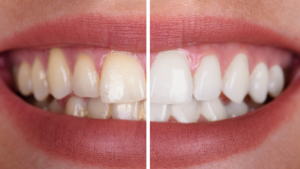
Why Professional Whitening Produces More Predictable Results
Many patients begin their whitening journey with over-the-counter products or home remedies in hopes of achieving a brighter smile. While some of these options may provide limited improvements, results often vary significantly from person to person. Factors such as tooth color, stain severity, enamel condition, and product quality can all influence effectiveness. Professional whitening treatments offer a more controlled approach that allows dental professionals to customize care based on each patient’s unique needs. As a result, patients often experience more noticeable, consistent, and predictable outcomes. Understanding why professional whitening produces more reliable results can help individuals make informed decisions regarding their smile goals.
Professional Evaluations Help Identify the Cause of Discoloration
Not all tooth discoloration develops for the same reasons. Some stains occur on the surface of teeth due to food, beverages, or tobacco use, while others develop deeper within the tooth structure. Consequently, identifying the source of discoloration plays an important role in determining the most effective treatment approach. Professional evaluations allow dentists to assess these factors before recommending whitening solutions. Personalized assessments often improve treatment success.
Different Types of Stains Require Different Solutions
Surface stains generally respond differently than discoloration caused by aging, medications, trauma, or certain medical conditions. Patients may not always recognize the underlying cause of their tooth discoloration without professional guidance. Dentists evaluate these factors and recommend treatment options that align with the specific situation. Consequently, professional care often leads to more accurate treatment planning. Proper diagnosis supports better outcomes.
Some patients may have restorations such as crowns, veneers, or fillings that do not respond to whitening treatments in the same manner as natural teeth. Understanding these limitations before treatment helps establish realistic expectations. Dentists can explain how existing dental work may affect final results. This information allows patients to make informed decisions. Education remains an important part of the process.
Accurate Assessments Reduce Uncertainty
Many whitening products are marketed as universal solutions despite significant differences among patients. Professional evaluations help remove much of the guesswork associated with whitening treatments. Dentists consider oral health, tooth structure, stain type, and cosmetic goals before developing recommendations. This personalized approach often produces more predictable outcomes. Careful planning supports treatment success.
Oral Health Conditions May Affect Whitening Results
Certain dental concerns should be addressed before whitening begins. Cavities, gum disease, enamel damage, and tooth sensitivity may influence treatment recommendations. Dentists evaluate these factors and determine whether additional care is necessary before whitening. Consequently, patients often receive safer and more effective treatment experiences. Healthy teeth provide a stronger foundation for cosmetic improvements.
Professional Whitening Uses Stronger and More Effective Materials
One of the primary differences between professional whitening and many over-the-counter products involves the strength and quality of whitening agents. Professional treatments often utilize formulations that provide more substantial whitening while remaining carefully supervised. These materials are designed to deliver noticeable improvements within shorter timeframes. Consequently, patients often achieve results that are difficult to replicate with store-bought alternatives. Professional-grade products support greater consistency.
Higher-Quality Whitening Agents Produce Better Results
Professional whitening systems are formulated to penetrate stains more effectively than many consumer products. This deeper action often allows treatments to address discoloration that may not respond to surface-level whitening methods. Additionally, professional products are selected based on each patient’s specific needs and goals. Customized product selection often contributes to stronger outcomes. Quality materials play an important role in treatment effectiveness.
Over-the-counter products frequently contain lower concentrations of active ingredients in order to accommodate a broad consumer market. While these products may provide some improvement, results can be slower and less dramatic. Professional whitening treatments are designed to achieve more noticeable changes under dental supervision. This distinction often influences treatment predictability. Stronger formulations support greater consistency.
Controlled Application Improves Performance
The effectiveness of whitening products depends not only on their ingredients but also on how they are applied. Professional treatments follow carefully developed protocols designed to maximize results while protecting oral tissues. Controlled application helps ensure consistent exposure across the smile. Consequently, patients often achieve more uniform whitening outcomes. Precision contributes to predictability.
Professional Monitoring Helps Optimize Results
Dental professionals monitor whitening treatments and make adjustments when necessary. This oversight allows providers to address concerns such as sensitivity, uneven whitening, or treatment response. Patients benefit from guidance throughout the process rather than relying solely on product instructions. Professional monitoring often improves both comfort and effectiveness. Personalized care remains valuable.
Customized Treatment Plans Support More Consistent Outcomes
Every patient’s smile presents unique characteristics that influence whitening results. Professional treatment plans account for these differences and provide tailored recommendations designed to achieve desired outcomes. Rather than relying on generalized solutions, dentists create individualized approaches based on each person’s circumstances. Consequently, treatment becomes more predictable and effective. Customization often improves patient satisfaction.
Individual Goals Influence Treatment Recommendations
Some patients seek subtle improvements, while others desire more dramatic whitening results. Understanding these goals helps dentists select appropriate treatment methods and establish realistic expectations. Additionally, customized plans allow providers to address concerns such as sensitivity and maintenance requirements. Personalized care often leads to stronger outcomes. Treatment planning remains an important component of success.
Dentists may also recommend different whitening approaches depending on the patient’s schedule and lifestyle. Some individuals prefer in-office treatments, while others may benefit from take-home systems. Evaluating these factors helps create a treatment experience that aligns with personal preferences. Flexibility often improves patient satisfaction. Individualized solutions support better results.
Realistic Expectations Improve Satisfaction
Professional consultations provide opportunities to discuss anticipated outcomes before treatment begins. Understanding what whitening can and cannot accomplish helps patients develop realistic expectations. Consequently, patients often feel more satisfied with their results and treatment experience. Clear communication remains important throughout the process. Expectations influence overall satisfaction.
Customized Trays Can Improve Whitening Consistency
Many professional take-home whitening systems utilize custom-fitted trays designed specifically for the patient’s smile. These trays help distribute whitening agents more evenly across tooth surfaces. Improved fit often contributes to more consistent and predictable whitening results. Additionally, custom trays may reduce product waste and improve comfort. Precision frequently supports better outcomes.
Professional Whitening Prioritizes Safety
Predictable cosmetic results are important, but safety remains equally essential. Professional whitening treatments are designed to brighten smiles while protecting enamel, gums, and overall oral health. Dentists evaluate potential risks and monitor treatment progress throughout the process. Consequently, patients often experience fewer complications compared to unsupervised whitening efforts. Safe treatment supports long-term oral health.
Dentists Help Manage Tooth Sensitivity
Tooth sensitivity represents one of the most common concerns associated with whitening treatments. Professional providers can recommend strategies that help minimize discomfort while maintaining effectiveness. These adjustments may include modifying treatment duration, selecting alternative products, or recommending sensitivity management techniques. Personalized care often improves comfort. Professional oversight provides valuable support.
Protecting Enamel Remains a Priority
Professional whitening treatments are designed to enhance appearance without compromising tooth structure. Dentists carefully evaluate enamel health before recommending whitening procedures. This approach helps reduce the likelihood of unnecessary damage or complications. Long-term oral health remains an important consideration during cosmetic treatment planning. Protecting enamel supports lasting results.
Professional Care Helps Prevent Common Mistakes
Patients using over-the-counter products sometimes exceed recommended usage in pursuit of faster results. Excessive whitening attempts may increase sensitivity or contribute to other concerns. Professional supervision helps prevent these issues by providing clear instructions and ongoing guidance. Structured treatment plans often produce safer and more predictable outcomes. Proper use remains essential.
Long-Term Maintenance Supports Continued Whitening Success
Professional whitening treatments often include recommendations designed to help patients maintain their results over time. These strategies may involve dietary adjustments, oral hygiene improvements, and periodic touch-up treatments. Ongoing maintenance helps preserve cosmetic improvements while reducing future discoloration. Consequently, professional care often supports longer-lasting satisfaction. Consistency remains important after treatment.
Dentists Provide Personalized Maintenance Guidance
Every patient experiences different staining risks based on lifestyle habits and oral health factors. Dentists can identify these risks and recommend practical strategies for maintaining a brighter smile. Personalized guidance often helps patients protect their investment in whitening treatment. Long-term planning supports lasting results. Professional recommendations remain valuable.
Ongoing Care Helps Preserve Results
Maintaining whitening results requires more than the treatment itself. Regular dental visits, good oral hygiene habits, and preventive care all contribute to long-term success. Patients who follow maintenance recommendations often enjoy brighter smiles for extended periods. Continued attention supports sustained cosmetic improvements. Long-term care remains an important part of the whitening process.
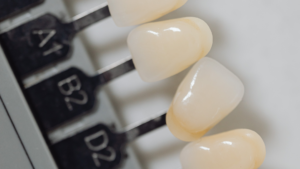
Schedule an Appointment to Get Your Teeth Whitened in Los Angeles Today
A brighter smile can positively influence both personal confidence and first impressions. Whether your teeth have become stained from daily habits or you simply want to refresh your appearance, professional whitening treatments may provide the results you are seeking. At PhD Dental, we offer customized whitening solutions designed to address each patient’s unique needs and cosmetic goals. Our team focuses on delivering comfortable care while helping patients achieve safe and effective results. We remain committed to helping every patient feel proud of their smile.
Professional whitening treatments often provide faster and more consistent improvements than many at-home alternatives. Additionally, our team can help determine whether whitening is the best option or whether other cosmetic treatments may better support your goals. We take time to answer questions, explain treatment options, and create personalized recommendations for every patient. Our commitment to patient care extends beyond treatment and includes ongoing guidance for maintaining your results. To schedule your consultation, call us at (323) 269-5437 or reach out online today.