
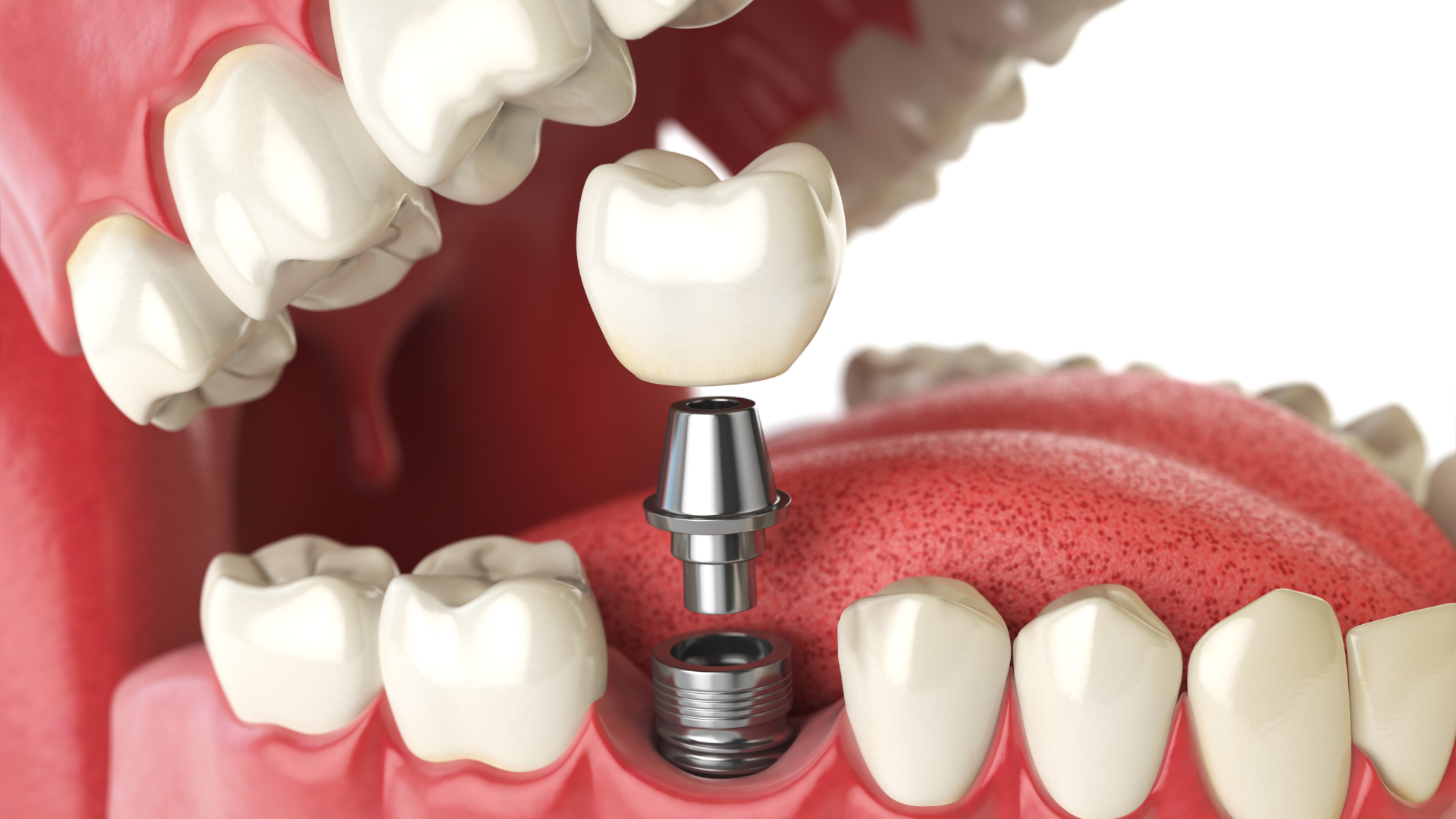
Who Are Mini Dental Implants For (And What to Consider Before Getting Them)
Mini dental implants in Los Angeles can provide an effective solution for individuals seeking to replace missing teeth while avoiding more extensive restorative procedures. These smaller implants are often recommended for patients with limited jawbone density, those replacing smaller teeth, or individuals looking for a less invasive treatment option. However, every patient’s oral health needs differ, making a comprehensive evaluation essential before determining whether mini dental implants are the right choice. Understanding the benefits, limitations, and candidacy requirements helps patients make informed decisions while planning for long-term oral health. Learning about your available treatment options allows you to choose a solution that supports both function and appearance.
At PhD Dental, we help patients explore personalized tooth replacement solutions designed to restore healthy, confident smiles. We take the time to evaluate your oral health, discuss your goals, and explain every available treatment option before recommending the approach best suited to your needs. Our team combines advanced dental technology with individualized care to create treatment plans focused on long-term comfort, stability, and aesthetics. We remain committed to helping every patient achieve lasting results while making the treatment process as comfortable as possible. If you are considering dental implants, call us at (323) 269-5437 to schedule your consultation.

How Mini Dental Implants in Los Angeles Can Help Improve Your Smile
At PhD Dental, we provide mini dental implants in Los Angeles as one of several restorative options for patients seeking to replace missing teeth while improving both appearance and function. We carefully evaluate every patient’s oral health, jawbone condition, and treatment goals before determining whether mini dental implants offer the most appropriate solution. Additionally, we explain every stage of the process in straightforward language so our patients understand the benefits, expected outcomes, and long-term maintenance involved. Our goal remains helping patients restore confident smiles while improving comfort, stability, and everyday function. Every treatment plan receives personalized attention because every smile deserves an individualized approach.
We understand that restoring missing teeth involves more than improving appearance alone. Therefore, we work closely with our patients to evaluate bite alignment, surrounding teeth, gum health, bone support, and overall oral wellness before beginning treatment. We also discuss alternative restorative options whenever appropriate so each patient can make a fully informed decision regarding their care. Throughout the treatment process, we remain committed to providing compassionate guidance, advanced dental techniques, and personalized solutions tailored to each patient’s unique needs. We take pride in helping our patients achieve healthy, natural-looking smiles that support long-term confidence and oral health.
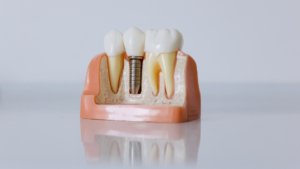
How Mini Dental Implants in Los Angeles Differ From Traditional Dental Implants
Patients exploring tooth replacement options often compare mini dental implants with traditional dental implants to better understand which treatment may best meet their needs. Although both options are designed to replace missing teeth and improve oral function, they differ in size, placement techniques, treatment requirements, and ideal candidates. Additionally, each solution offers unique advantages depending on a patient’s oral health, bone density, and long-term restorative goals. Understanding these differences helps patients make informed decisions while working closely with their dental provider. A comprehensive evaluation remains the best way to determine which option supports lasting oral health and smile restoration.
Understanding the Size Differences
One of the most noticeable differences between mini dental implants and traditional dental implants is the diameter of the implant itself. Mini dental implants are significantly narrower than conventional implants, allowing them to fit into areas where space or available bone may be limited. Additionally, the smaller size may make them appropriate for certain restorative situations that do not require a full-sized implant. Every patient’s anatomy should be evaluated carefully before determining which implant size is most appropriate. Individual treatment planning supports better long-term outcomes.
Mini Dental Implants Have a Smaller Diameter
Mini dental implants generally require less space within the jawbone than traditional implants. Their smaller design allows dentists to consider treatment options for patients who may have limited bone volume or smaller replacement areas. However, implant selection always depends on each patient’s specific clinical needs. Careful evaluation helps determine the most appropriate solution.
Smaller Does Not Mean Less Effective
Mini dental implants can provide excellent stability when recommended for appropriate cases. Proper case selection remains essential for long-term success.
Traditional Dental Implants Are Larger
Traditional dental implants feature a wider diameter that may provide additional support for certain restorations and biting forces. They are commonly used when replacing larger teeth or supporting multiple restorations. Adequate bone volume often plays an important role in determining whether traditional implants are appropriate. Comprehensive evaluations guide treatment recommendations.
Larger Implants Require Adequate Bone Support
Traditional implants often require sufficient healthy jawbone for successful placement. Bone quality remains an important consideration during treatment planning.
Comparing the Placement Procedure
The placement process for mini dental implants often differs from traditional implant procedures due to the implant’s smaller size. Although every treatment plan varies, mini dental implants may involve a less invasive approach in certain situations. Additionally, treatment recommendations depend upon each patient’s oral health, bone condition, and restorative goals. Understanding the procedural differences helps patients prepare for treatment with greater confidence. Personalized evaluations guide every recommendation.
Less Invasive Placement
Mini dental implants may require a smaller surgical site compared with traditional implants in appropriate cases. This approach can reduce the amount of tissue involved during placement while supporting efficient treatment. However, every patient’s needs remain unique and require individualized planning. Careful diagnosis determines the most appropriate technique.
Treatment Plans Vary by Patient
No two implant procedures are exactly alike. Personalized treatment planning helps achieve the best possible outcome.
Traditional Implant Surgery
Traditional dental implants sometimes involve a more extensive surgical procedure depending on bone quality, implant location, and restorative goals. Additional procedures may occasionally be recommended before implant placement when necessary. Comprehensive planning helps prepare patients for every stage of treatment. Individual circumstances determine the overall treatment process.
Every Procedure Is Carefully Planned
Comprehensive evaluations help dentists develop treatment plans based on each patient’s oral health. Careful preparation supports successful outcomes.
Bone Density Considerations
Bone availability often influences whether mini dental implants or traditional dental implants represent the better treatment option. Some patients naturally have less jawbone due to long-term tooth loss or other factors affecting bone health. Additionally, preserving healthy bone remains an important goal during restorative treatment. Thorough evaluations help determine the most suitable approach. Individualized recommendations support long-term stability.
Limited Bone May Influence Treatment
Patients with reduced jawbone volume may benefit from discussing whether mini dental implants are appropriate for their individual situation. Their smaller size sometimes allows placement in areas where conventional implants may require additional preparation. However, clinical evaluations remain necessary before making treatment decisions. Every case deserves careful consideration.
Bone Health Remains Important
Healthy bone provides essential support for every type of dental implant. Comprehensive examinations help evaluate bone quality before treatment.
Bone Grafting May Be Considered
Some patients pursuing traditional dental implants may require bone grafting if sufficient jawbone support is unavailable. Bone grafting helps create a stronger foundation before implant placement when recommended by the dentist. Not every patient requires this additional procedure. Individual evaluations determine the most appropriate course of treatment.
Every Patient Has Different Needs
Treatment recommendations vary based on oral health and available bone. Personalized care supports better restorative outcomes.
Restoration and Function
Both mini dental implants and traditional implants are designed to restore chewing ability, speaking confidence, and smile appearance. However, the type of restoration and the functional demands placed upon the implant often influence treatment selection. Additionally, dentists evaluate the location of the missing tooth and expected biting forces before recommending an implant option. Careful planning helps maximize long-term function. Personalized treatment supports lasting results.
Replacing Smaller Teeth
Mini dental implants are sometimes recommended when replacing smaller teeth or supporting certain restorations. Their design may provide an effective solution for specific clinical situations where space remains limited. Treatment recommendations always depend on comprehensive examination findings. Careful planning improves restorative success.
Treatment Depends on Individual Goals
Every patient’s smile restoration plan should reflect their unique needs and expectations. Individualized care supports better outcomes.
Supporting Larger Restorations
Traditional implants are frequently selected when replacing larger teeth or supporting restorations requiring additional strength. Dentists evaluate bite forces, restoration size, and long-term function before making recommendations. Comprehensive treatment planning helps promote lasting stability. Clinical evaluation guides every decision.
Long-Term Function Is the Priority
Selecting the appropriate implant helps support comfortable daily function. Careful planning contributes to long-term success.
Recovery and Healing
Healing experiences vary among patients regardless of which implant option is selected. Factors including overall health, oral hygiene, smoking status, and treatment complexity all influence recovery. Additionally, following post-treatment instructions supports proper healing and long-term implant success. Every patient receives individualized guidance based on their treatment plan. Consistent follow-up care remains important throughout recovery.
Following Post-Treatment Instructions
Proper oral hygiene, dietary recommendations, and scheduled follow-up visits help support healing after implant placement. Patients should carefully follow their dentist’s instructions while allowing adequate time for recovery. Good habits contribute to successful treatment outcomes. Ongoing care protects the investment in your smile.
Consistency Supports Healing
Following professional recommendations helps promote healthy healing after implant placement. Patient cooperation plays an important role throughout recovery.
Attending Follow-Up Appointments
Regular follow-up visits allow the dental team to monitor healing and ensure the implant continues integrating properly. These appointments also provide opportunities to answer questions and address any concerns that arise during recovery. Ongoing evaluations support long-term oral health. Routine monitoring benefits every patient.
Follow-Up Care Protects Long-Term Results
Routine dental visits help maintain implant health for years to come. Continued monitoring supports lasting restorative success.
Choosing the Right Treatment Option
Selecting between mini dental implants and traditional dental implants requires a comprehensive evaluation rather than a one-size-fits-all approach. Dentists consider oral health, bone density, medical history, restorative goals, and lifestyle factors before recommending treatment. Additionally, discussing available options allows patients to make confident, informed decisions regarding their care. Every smile deserves an individualized treatment plan based on clinical findings. Personalized care provides the strongest foundation for long-term success.
Comprehensive Examinations Matter
A detailed examination allows the dental team to evaluate every factor affecting implant success before treatment begins. Diagnostic imaging, oral examinations, and discussions regarding treatment goals all contribute to informed recommendations. Careful planning supports predictable results. Thorough evaluations remain an essential part of quality care.
Personalized Planning Leads to Better Outcomes
Every patient’s smile presents unique restorative needs. Individualized treatment planning helps achieve functional, natural-looking, and long-lasting results.
Open Communication Supports Better Decisions
Patients should feel comfortable discussing treatment goals, concerns, timelines, and expectations throughout the consultation process. Clear communication allows the dental team to recommend solutions that align with each individual’s oral health needs. Informed patients often feel more confident moving forward with treatment. Collaborative planning strengthens the overall patient experience.
Understanding Your Options Builds Confidence
Learning about available treatment choices helps patients make informed decisions. Education remains an important part of successful dental care.
When to Consider Mini Dental Implants in Los Angeles After Tooth Loss
Replacing a missing tooth promptly can help preserve oral health while reducing the likelihood of additional dental complications. Although every patient has unique restorative needs, delaying treatment after tooth loss may affect jawbone health, bite alignment, and the stability of surrounding teeth. Additionally, mini dental implants may provide an effective solution for certain patients seeking a less invasive tooth replacement option. Understanding when to consider mini dental implants in Los Angeles after tooth loss allows patients to explore treatment before preventable issues become more difficult to address. A comprehensive dental evaluation remains the best way to determine whether mini dental implants are appropriate for your individual situation.
After Losing a Single Tooth
Many patients assume replacing one missing tooth is not urgent, especially if the gap is not immediately visible. However, even a single missing tooth may affect chewing efficiency, speech, and the alignment of surrounding teeth over time. Additionally, replacing the tooth sooner may help preserve the health of neighboring teeth and supporting bone. Early treatment often creates more restorative options. Timely care supports long-term oral health.
Prevent Adjacent Teeth From Shifting
Teeth naturally rely on neighboring teeth for support and alignment. When one tooth is missing, nearby teeth may gradually shift into the empty space, creating bite problems and making oral hygiene more challenging. Replacing the missing tooth helps maintain proper spacing throughout the mouth. Stable alignment supports healthy function.
Tooth Movement Can Affect Your Bite
Even small changes in tooth position may influence chewing comfort and overall bite balance. Addressing tooth loss early helps reduce these concerns.
Restore Everyday Function
A missing tooth may make it more difficult to chew certain foods comfortably or speak with confidence. Restoring the missing tooth helps improve overall oral function while supporting a more natural smile. Improved function often contributes to better quality of life. Restorative treatment benefits both appearance and comfort.
Everyday Activities Become Easier
Replacing missing teeth often improves confidence during meals, conversations, and social interactions. Functional restoration supports long-term satisfaction.
When Jawbone Loss Is a Concern
The jawbone naturally begins changing after a tooth is lost because the missing tooth root no longer stimulates the surrounding bone. Although bone loss varies from patient to patient, early evaluation helps determine whether sufficient bone remains to support restorative treatment. Additionally, mini dental implants may be considered for certain patients with limited bone volume depending on their clinical needs. Careful examination guides every recommendation. Preserving healthy bone remains an important treatment goal.
Bone Changes Begin Soon After Tooth Loss
Once a tooth is removed or lost, the jawbone in that area may gradually lose volume over time. These changes may influence future treatment options if replacement is delayed for an extended period. Regular dental evaluations help monitor bone health following tooth loss. Early planning supports better long-term outcomes.
Bone Preservation Supports Future Treatment
Maintaining healthy jawbone structure often improves restorative possibilities. Prompt evaluations help identify treatment opportunities before additional bone changes occur.
Comprehensive Imaging Helps Guide Treatment
Digital imaging allows dentists to evaluate bone volume, surrounding teeth, and overall oral health before recommending mini dental implants. This information helps determine whether additional treatment may be necessary before implant placement. Accurate diagnostics support individualized treatment planning. Comprehensive evaluations improve clinical decision-making.
Advanced Imaging Improves Precision
Detailed diagnostic information helps create personalized treatment recommendations. Careful planning supports predictable restorative outcomes.
When You Want a Less Invasive Treatment Option
Some patients prefer exploring treatment options that may involve a less extensive surgical approach than traditional dental implants. Mini dental implants may provide an appropriate solution for certain individuals depending on their oral health and restorative goals. Additionally, treatment recommendations always depend on a complete clinical evaluation rather than personal preference alone. Understanding available options helps patients make informed decisions. Personalized treatment planning remains essential.
Smaller Implant Design
Mini dental implants feature a narrower diameter than conventional implants, allowing them to fit into specific clinical situations where appropriate. Their design may make treatment possible for certain patients who are not ideal candidates for traditional implants. Every recommendation depends on a detailed examination. Individualized care supports successful outcomes.
Every Smile Requires Personalized Planning
Treatment recommendations should always reflect each patient’s unique oral health needs. Comprehensive evaluations guide appropriate care.
Efficient Treatment Planning
Depending on the patient’s clinical situation, mini dental implants may involve a streamlined treatment process compared with some traditional implant procedures. Dentists evaluate overall oral health, bone condition, and restorative objectives before recommending the most appropriate option. Careful planning supports lasting success. Every case deserves individualized attention.
Thoughtful Planning Leads to Better Results
Successful restorative care begins with careful diagnosis and personalized recommendations. Comprehensive planning improves patient confidence.
When You Wear Dentures
Patients who wear removable dentures sometimes experience movement, discomfort, or difficulty chewing everyday foods. Mini dental implants may help stabilize certain dentures for qualifying patients, improving comfort and confidence during daily activities. Additionally, improved denture stability may reduce irritation caused by shifting appliances. Every patient’s needs should be evaluated individually. Comprehensive assessments determine the most appropriate solution.
Improve Denture Stability
Loose dentures may interfere with speaking, eating, and overall confidence throughout the day. Stabilizing dentures with mini dental implants may improve retention while helping patients feel more comfortable during routine activities. Better stability often enhances overall satisfaction. Individual evaluations guide treatment recommendations.
Greater Stability Supports Daily Comfort
More secure dentures may improve confidence during meals and conversations. Stable restorations often enhance quality of life.
Enhance Chewing Function
Patients with unstable dentures sometimes avoid certain foods because chewing becomes uncomfortable or difficult. Improved denture support may allow for greater confidence when enjoying a wider variety of foods. Better function contributes to overall oral wellness. Personalized treatment supports healthier lifestyles.
Comfortable Chewing Improves Daily Living
Enjoying meals comfortably remains an important part of overall well-being. Improved denture stability supports better function.
When Your Overall Oral Health Supports Treatment
Successful implant treatment depends on more than replacing a missing tooth. Healthy gums, good oral hygiene, and appropriate medical management all contribute to long-term implant success. Additionally, dentists evaluate several factors before recommending mini dental implants for any patient. Comprehensive examinations ensure treatment decisions reflect individual circumstances. Careful preparation supports lasting results.
Healthy Gum Tissue Matters
Healthy gums provide essential support for every restorative procedure, including mini dental implants. Dentists evaluate gum health carefully while addressing any existing periodontal concerns before beginning treatment. Healthy soft tissue contributes to successful healing. Ongoing oral care remains important.
Gum Health Supports Implant Success
Healthy gums create a stronger foundation for restorative treatment. Preventive dental care helps maintain long-term results.
Good Oral Hygiene Supports Long-Term Outcomes
Patients who maintain consistent brushing, flossing, and routine dental visits often experience better long-term restorative outcomes. Daily oral hygiene helps protect both natural teeth and dental implants throughout the years. Consistent habits contribute to overall oral health. Preventive care remains essential after treatment.
Daily Care Protects Your Investment
Proper oral hygiene supports healthy gums and long-lasting restorations. Consistent home care benefits every smile.
Why a Timely Consultation Matters
Scheduling a dental evaluation soon after tooth loss provides valuable opportunities to discuss treatment before additional oral health changes occur. Dentists can assess bone health, evaluate surrounding teeth, and recommend appropriate restorative options based on each patient’s unique needs. Additionally, early consultations help patients understand available treatments while planning confidently for the future. Personalized guidance supports informed decision-making. Taking action early often creates the greatest range of restorative possibilities.
Learn About Every Available Option
A comprehensive consultation allows patients to compare mini dental implants with other tooth replacement solutions based on their oral health and personal goals. Understanding every available option supports confident treatment decisions. Thorough discussions encourage realistic expectations. Personalized education remains an important part of quality dental care.
Informed Patients Make Better Decisions
Learning about available treatments helps patients choose solutions that align with their long-term goals. Education supports successful restorative outcomes.
Build a Personalized Treatment Plan
Every patient deserves a treatment plan tailored to their individual oral health, lifestyle, and restorative priorities. Comprehensive evaluations allow dentists to develop recommendations that balance function, appearance, and long-term stability. Thoughtful planning creates a stronger foundation for successful care. Individualized treatment helps patients achieve healthy, confident smiles.
Personalized Care Supports Lasting Results
No two smiles require exactly the same treatment approach. Customized planning helps achieve predictable, long-term success.
Schedule an Appointment for Your Mini Dental Implants in Los Angeles Today
Choosing the right tooth replacement solution begins with understanding your oral health needs and the treatment options available to you. Whether you are missing one tooth or several teeth, mini dental implants may provide a stable, long-lasting solution that improves both appearance and daily function. A comprehensive consultation allows your dentist to evaluate your bone structure, overall oral health, and long-term goals before recommending the most appropriate treatment plan. Taking the time to explore your options helps create greater confidence throughout the restorative process. Investing in your smile today can provide lasting benefits for your oral health and quality of life.
PhD Dental proudly helps patients throughout Los Angeles restore healthy, functional smiles through personalized restorative dentistry solutions. We provide individualized treatment recommendations while using advanced technology and modern techniques to deliver high-quality care in a comfortable environment. Every patient receives dedicated attention, thoughtful guidance, and comprehensive support throughout every stage of treatment. Call us at (323) 269-5437 or reach out online today to schedule your consultation.